Fruits in Spanish
This is a list of 26 common words for talking about fruits in Spanish, each with IPA, audio, a translation and an example sentence. Play any word to hear it, check yourself in the quiz and download the list for Anki or Quizlet.
Fruits in Spanish: la manzana, el plátano, la pera, la uva, la fresa, la cereza, el melocotón. The table below gives all 26 words with IPA, audio, a translation and an example sentence. A quiz of 10 questions checks what you remember, and the list can be downloaded for a spreadsheet, Quizlet or Anki.
| Word | Translation | Example |
|---|---|---|
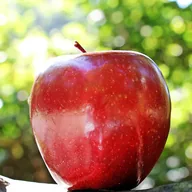 la manzana /manθˈana/ | apple | Como una manzana después de clase. I eat an apple after class. |
 el plátano /plˈatano/ | banana | Mi hermano come un plátano por la mañana. My brother eats a banana in the morning. |
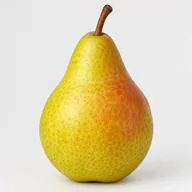 la pera /pˈeɾa/ | pear | He comprado una pera para el desayuno. I bought a pear for breakfast. |
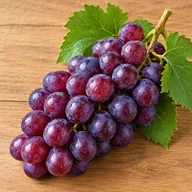 la uva /ˈuβa/ | grape | Mi abuela lava las uvas antes de comerlas. My grandmother washes the grapes before eating them. |
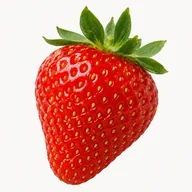 la fresa /fɾˈesa/ | strawberry | Las fresas están muy buenas con yogur. Strawberries are very good with yogurt. |
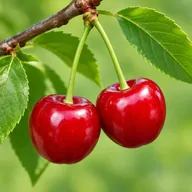 la cereza /θeɾˈeθa/ | cherry | Hay una cereza en mi tarta. There is a cherry in my pie. |
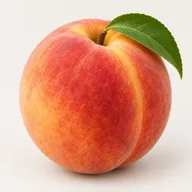 el melocotón /mˌelokotˈon/ | peach | Este melocotón está dulce y muy jugoso. This peach is sweet and very juicy. |
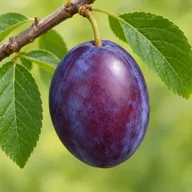 la ciruela /θˌiɾuˈela/ | plum | Mi padre pela una ciruela en la cocina. My father peels a plum in the kitchen. |
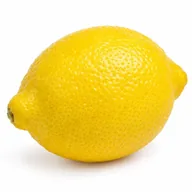 el limón /limˈon/ | lemon | Pongo limón en el pescado los domingos. I put lemon on the fish on Sundays. |
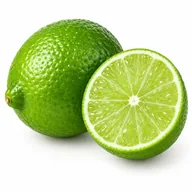 la lima /lˈima/ | lime | La lima pequeña da sabor a la bebida. The small lime gives the drink flavor. |
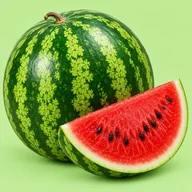 la sandía /sandˈia/ | watermelon | Comemos sandía fría en la playa. We eat cold watermelon at the beach. |
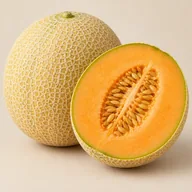 el melón /melˈon/ | melon | El melón está en la nevera. The melon is in the fridge. |
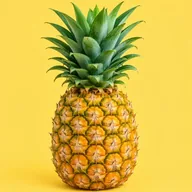 la piña /pˈiɲa/ | pineapple | Cortamos la piña después de comer. We cut the pineapple after eating. |
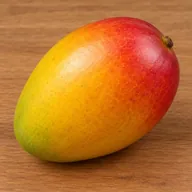 el mango /mˈaŋɡo/ | mango | He comprado un mango maduro en el mercado. I bought a ripe mango at the market. |
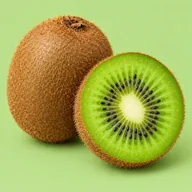 el kiwi /kˈiwi/ | kiwi | Tomo un kiwi con el desayuno. I have a kiwi with breakfast. |
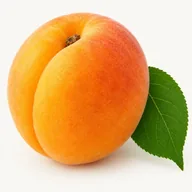 el albaricoque /ˌalβaɾikˈoke/ | apricot | El albaricoque está dulce y blando. The apricot is sweet and soft. |
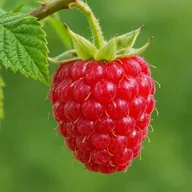 la frambuesa /fɾambwˈesa/ | raspberry | Añado una frambuesa al yogur natural. I add a raspberry to the plain yogurt. |
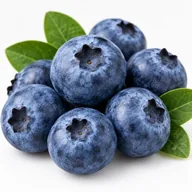 el arándano /aɾˈandano/ | blueberry | Los arándanos están en un cuenco pequeño. The blueberries are in a small bowl. |
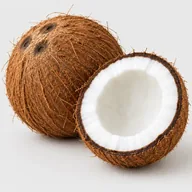 el coco /kˈoko/ | coconut | Bebemos agua de coco en vacaciones. We drink coconut water on vacation. |
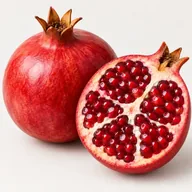 la granada /ɡɾanˈaða/ | pomegranate | La granada tiene muchas semillas rojas. The pomegranate has many red seeds. |
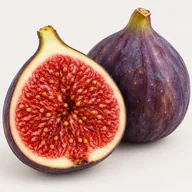 el higo /ˈiɣo/ | fig | Mi abuelo come un higo después de cenar. My grandfather eats a fig after dinner. |
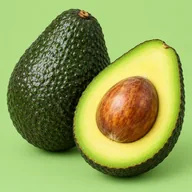 el aguacate /ˌaɣwakˈate/ | avocado | Preparo tostadas con aguacate para desayunar. I prepare avocado toast for breakfast. |
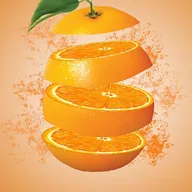 la naranja /naɾˈaŋxa/ | orange | Pelo una naranja después de comer. I peel an orange after eating. |
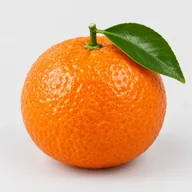 la mandarina /mˌandaɾˈina/ | tangerine | Mi hija lleva una mandarina al colegio. My daughter takes a tangerine to school. |
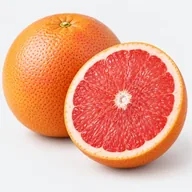 el pomelo /pomˈelo/ | grapefruit | Tomo pomelo con el desayuno los sábados. I have grapefruit with breakfast on Saturdays. |
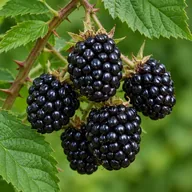 la mora /mˈoɾa/ | blackberry | Encontramos moras cerca del camino. We found blackberries near the path. |
Quiz: choose the translation
Download the list
Learn these words by reading books in Spanish
Spanish words by topic
More free Spanish tools
Frequently asked questions
How do you say fruits in Spanish?
The list on this page has 26 words. The first ones are la manzana (apple), el plátano (banana), la pera (pear). Each comes with IPA, audio, a translation and an example sentence.
How can I practice these words?
Take the quiz on this page, then download the list for Anki or Quizlet and review a few words every day. In Lingo7 you can read books in Spanish with a translation under every sentence and meet the same words in context.
How are these words pronounced?
Press the play button next to a word or an example sentence to hear it.