Animals in German
This is a list of 40 common words for talking about animals in German, each with IPA, audio, a translation and an example sentence. Play any word to hear it, check yourself in the quiz and download the list for Anki or Quizlet.
Animals in German: der Hund, die Katze, das Kaninchen, der Hamster, der Papagei, das Pferd, die Kuh. The table below gives all 40 words with IPA, audio, a translation and an example sentence. A quiz of 10 questions checks what you remember, and the list can be downloaded for a spreadsheet, Quizlet or Anki.
| Word | Translation | Example |
|---|---|---|
 der Hund /hˈʊnt/ Plural: die Hunde. | dog | Unser Hund schläft heute unter dem Tisch. Our dog is sleeping under the table today. |
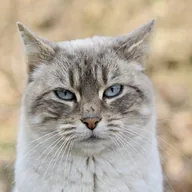 die Katze /kˈatsə/ Plural: die Katzen. | cat | Die Katze sitzt morgens auf dem Fensterbrett. The cat sits on the windowsill in the morning. |
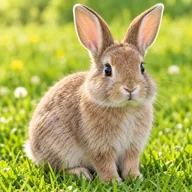 das Kaninchen /kˈɑnɪnçən/ Plural: die Kaninchen. | rabbit | Das Kaninchen frisst im Garten eine Karotte. The rabbit is eating a carrot in the garden. |
 der Hamster /hˈɑːmstɜ/ Plural: die Hamster. | hamster | Mein Hamster läuft nachts in seinem Rad. My hamster runs in its wheel at night. |
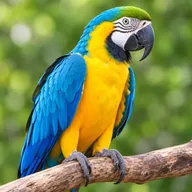 der Papagei /pˈɑpaɡˌaɪ/ Plural: die Papageien. | parrot | Der Papagei spricht jeden Morgen sehr laut. The parrot speaks very loudly every morning. |
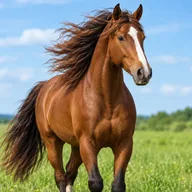 das Pferd /pfˈeːɾt/ Plural: die Pferde. | horse | Das Pferd steht auf der grünen Wiese. The horse is standing in the green meadow. |
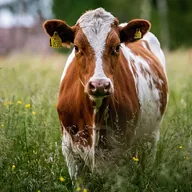 die Kuh /kˈuː/ Plural: die Kühe. | cow | Die Kuh gibt morgens viel Milch. The cow gives a lot of milk in the morning. |
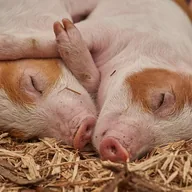 das Schwein /ʃvˈaɪn/ Plural: die Schweine. | pig | Das Schwein liegt im warmen Stroh. The pig is lying in the warm straw. |
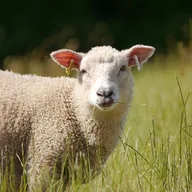 das Schaf /ʃˈɑːf/ Plural: die Schafe. | sheep | Das Schaf läuft langsam über die Wiese. The sheep is walking slowly across the meadow. |
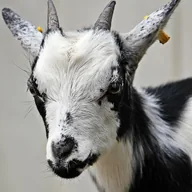 die Ziege /tsˈiːɡə/ Plural: die Ziegen. | goat | Die Ziege klettert auf den kleinen Hügel. The goat is climbing up the small hill. |
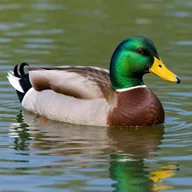 die Ente /ˈɛntə/ Plural: die Enten. | duck | Die Ente schwimmt mit ihren Jungen. The duck is swimming with its young. |
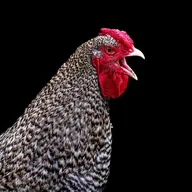 die Henne /hˈɛnə/ Plural: die Hennen. | hen | Die Henne sitzt im Stall auf Eiern. The hen is sitting on eggs in the coop. |
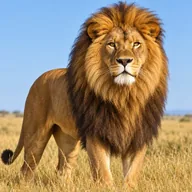 der Löwe /lˈøːvə/ Plural: die Löwen. | lion | Der Löwe schläft am Nachmittag im Schatten. The lion sleeps in the shade in the afternoon. |
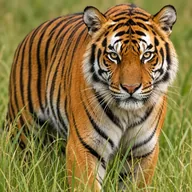 der Tiger /tˈiːɡɜ/ Plural: die Tiger. | tiger | Der Tiger läuft langsam durch das Gras. The tiger is walking slowly through the grass. |
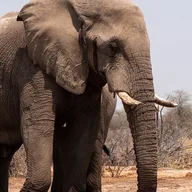 der Elefant /ˌeːleːfˈant/ Plural: die Elefanten. | elephant | Der Elefant trinkt Wasser mit seinem Rüssel. The elephant drinks water with its trunk. |
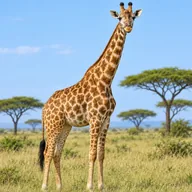 die Giraffe /ɡˈiːrafə/ Plural: die Giraffen. | giraffe | Die Giraffe frisst Blätter von einem Baum. The giraffe is eating leaves from a tree. |
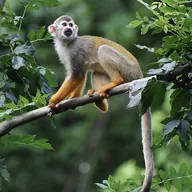 der Affe /ˈafə/ Plural: die Affen. | monkey | Der Affe sitzt hoch oben im Baum. The monkey is sitting high up in the tree. |
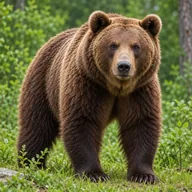 der Bär /bˈɛːɾ/ Plural: die Bären. | bear | Der Bär sucht im Wald nach Beeren. The bear is looking for berries in the forest. |
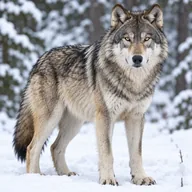 der Wolf /vˈɔlf/ Plural: die Wölfe. | wolf | Der Wolf lebt tief im Wald. The wolf lives deep in the forest. |
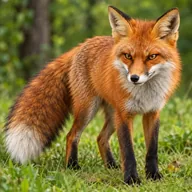 der Fuchs /fˈʊxs/ Plural: die Füchse. | fox | Der Fuchs läuft nachts durch unser Dorf. The fox runs through our village at night. |
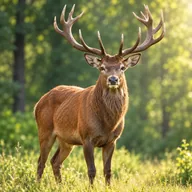 der Hirsch /hˈɪɾʃ/ Plural: die Hirsche. | deer | Der Hirsch steht früh am Waldrand. The deer stands at the edge of the forest early in the morning. |
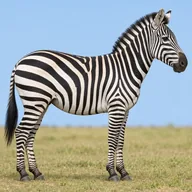 das Zebra /tsˈɛbɾɑː/ Plural: die Zebras. | zebra | Das Zebra läuft mit der Herde davon. The zebra runs away with the herd. |
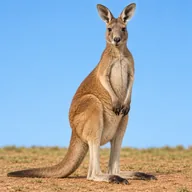 das Känguru /kˈɛŋuːrˌuː/ Plural: die Kängurus. | kangaroo | Das Känguru springt schnell über die Wiese. The kangaroo jumps quickly across the meadow. |
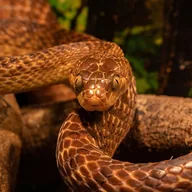 die Schlange /ʃlˈaŋə/ Plural: die Schlangen. | snake | Die Schlange liegt still unter einem Stein. The snake lies still under a stone. |
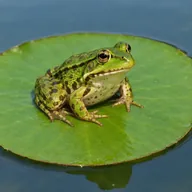 der Frosch /frˈɔʃ/ Plural: die Frösche. | frog | Der Frosch sitzt abends am Teich. The frog sits by the pond in the evening. |
 die Maus /mˈaʊs/ Plural: die Mäuse. | mouse | Die Maus versteckt sich hinter dem Schrank. The mouse hides behind the cupboard. |
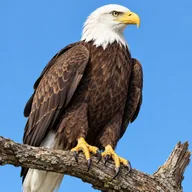 der Adler /ˈadlɜ/ Plural: die Adler. | eagle | Der Adler fliegt hoch über den Bergen. The eagle flies high above the mountains. |
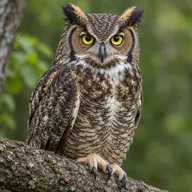 die Eule /ˈɔølə/ Plural: die Eulen. | owl | Die Eule jagt nachts im stillen Wald. The owl hunts in the quiet forest at night. |
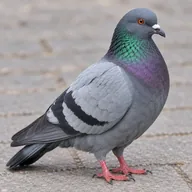 die Taube /tˈaʊbə/ Plural: die Tauben. | pigeon | Die Taube sitzt auf dem Dach. The pigeon sits on the roof. |
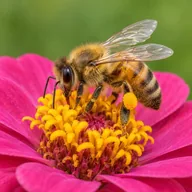 die Biene /bˈiːnə/ Plural: die Bienen. | bee | Die Biene fliegt von Blüte zu Blüte. The bee flies from flower to flower. |
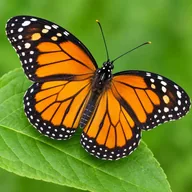 der Schmetterling /ʃmˈɛtɜlˌɪŋ/ Plural: die Schmetterlinge. | butterfly | Der Schmetterling landet auf meiner Hand. The butterfly lands on my hand. |
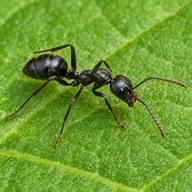 die Ameise /ˈɑmaɪzə/ Plural: die Ameisen. | ant | Die Ameise trägt ein Blatt zum Nest. The ant carries a leaf to the nest. |
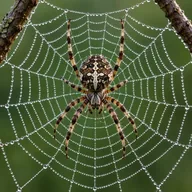 die Spinne /ʃpˈɪnə/ Plural: die Spinnen. | spider | Die Spinne sitzt in der Ecke. The spider sits in the corner. |
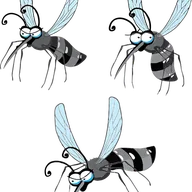 die Mücke /mˈʏkə/ Plural: die Mücken. | mosquito | Eine Mücke fliegt heute Abend ins Zimmer. A mosquito flies into the room this evening. |
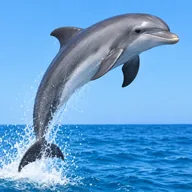 der Delfin /dˈɛlfɪn/ Plural: die Delfine. | dolphin | Der Delfin springt neben dem Boot aus dem Wasser. The dolphin jumps out of the water beside the boat. |
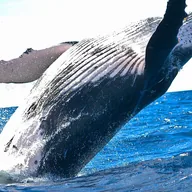 der Wal /vˈɑːl/ Plural: die Wale. | whale | Der Wal schwimmt langsam durch das kalte Meer. The whale swims slowly through the cold sea. |
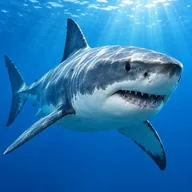 der Hai /hˈaɪ/ Plural: die Haie. | shark | Der Hai schwimmt weit draußen im Meer. The shark swims far out in the sea. |
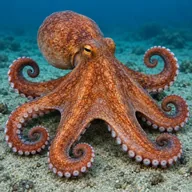 der Oktopus /ˈɔktɔpˌʊs/ Plural: die Oktopusse. | octopus | Der Oktopus versteckt sich zwischen den Felsen. The octopus hides among the rocks. |
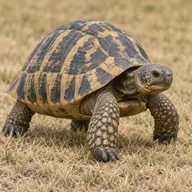 die Schildkröte /ʃˈɪltkɾøːtə/ Plural: die Schildkröten. | turtle | Die Schildkröte bewegt sich sehr langsam. The turtle moves very slowly. |
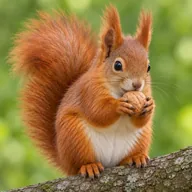 das Eichhörnchen /ˈaɪçhœɾnçən/ Plural: die Eichhörnchen. | squirrel | Das Eichhörnchen versteckt Nüsse unter einem Baum. The squirrel hides nuts under a tree. |
Quiz: choose the translation
Download the list
Learn these words by reading books in German
German words by topic
More free German tools
Frequently asked questions
How do you say animals in German?
The list on this page has 40 words. The first ones are der Hund (dog), die Katze (cat), das Kaninchen (rabbit). Each comes with IPA, audio, a translation and an example sentence.
How can I practice these words?
Take the quiz on this page, then download the list for Anki or Quizlet and review a few words every day. In Lingo7 you can read books in German with a translation under every sentence and meet the same words in context.
How are these words pronounced?
Press the play button next to a word or an example sentence to hear it.