German texts by level with translation
Short stories in German for learners, about five minutes of reading each, with a translation under every sentence and audio narrated by native speakers. Every story comes in two versions: adapted for A1-A2 and the original for B1-B2.
Stories in German
The adapted version: short sentences and the most common words.
The original story, as it is written.
Five minutes of reading each, a translation under every sentence, audio with the current word highlighted.
 A1-A2Das Voynich-ManuskriptThe Voynich Manuscript
 A1-A2Warum verlieren wir wegen der Liebe den Kopf?Why Do We Lose Our Heads Over Love?
 A1-A2Wie funktioniert der Placebo-Effekt?How Does the Placebo Effect Work?
 A1-A2Wie funktioniert WLANHow does Wi-Fi work
 A1-A2Was macht uns zu „uns“What makes us "us"
 A1-A2Warum lieben wir es so sehr, Selfies zu machen?Why Do We Love Taking Selfies So Much?
 A1-A2Wie konnte ein Buch den Untergang der Titanic vorhersagen?How Did a Book Predict the Sinking of the Titanic?
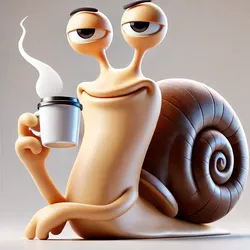 A1-A2Was passiert, wenn man einer Schnecke Kaffee gibt?What happens if you give coffee to a snail?
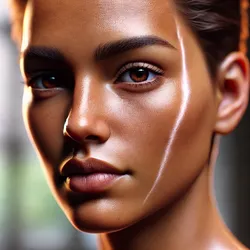 A1-A2Warum bräunen Narben nicht?Why Don't Scars Tan?
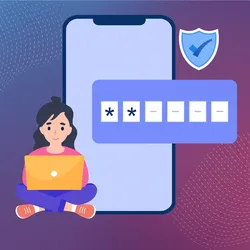 A1-A2Ist es möglich, ein absolut sicheres Passwort zu erstellen?Is It Possible to Create an Absolutely Secure Password?
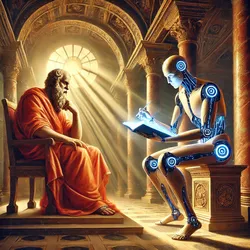 A1-A2Wen zitiert die Künstliche Intelligenz?Whom Does the Artificial Intelligence Quote?
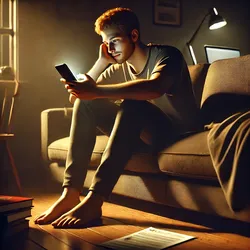 A1-A2Die faszinierende Welt der sozialen Medien: Rettung oder Falle für den Geist?The Fascinating World of Social Media: A Rescue or a Trap for the Mind?
 A1-A2Was verbirgt das Datum von Hitlers Tod?What Does the Date of Hitler’s Death Conceal?
 A1-A2Wie spüren Tiere Katastrophen?How do animals sense disasters?
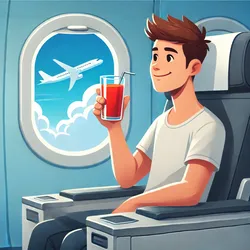 A1-A2Warum schmeckt Tomatensaft in der Luft besser?Why Does Tomato Juice Taste Better in the Sky?
 A1-A2Warum Pixel keine kleinen Quadrate sind: Die Anatomie eines Bildes und die Illusion der WirklichkeitWhy Pixels Aren't Little Squares: The Anatomy of an Image and the Illusion of Reality
 A1-A2Wie viele Dinge brauchst du zum Glücklichsein?How Many Things Do You Need for Happiness?
 A1-A2Wenn unser Name für uns entscheidetWhen Our Name Decides for Us
 A1-A2Wie überlebte ein Mann sowohl Hiroshima als auch Nagasaki?How Did One Man Survive Both Hiroshima and Nagasaki?
 A1-A2Ist es möglich, einen Burger im Labor zu züchten?Is It Possible to Grow a Burger in a Laboratory?
 A1-A2Warum weinen wir – und warum ist es vorteilhaft?Why Do We Cry — and Why Is It Beneficial?
 A1-A2Was macht ein Satellit, wenn ihm langweilig ist?What Does a Satellite Do When It's Bored?
 A1-A2Was haben wir mit den alten Griechen gemeinsam?What Do We Have in Common with the Ancient Greeks?
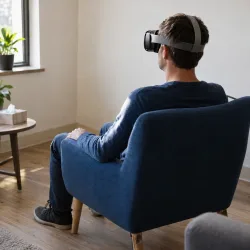 A1-A2Woher kommen die seltsamsten Phobien?Where Do the Strangest Phobias Come From?
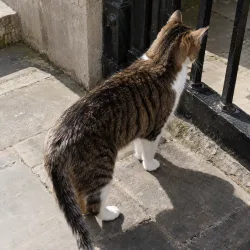 A1-A2Wie bekam ein Kater einen Job in der britischen Regierung?How Did a Cat Get a Job in the British Government?
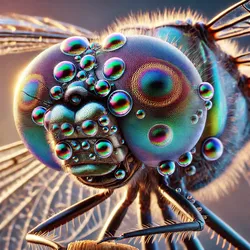 A1-A2Warum braucht eine Libelle in jedem Auge 30.000 Linsen?Why Does a Dragonfly Need 30,000 Lenses in Each Eye?
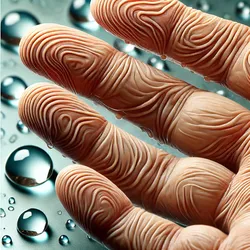 A1-A2Warum werden die Finger im Wasser runzlig?Why Do Fingers Wrinkle in Water?
 A1-A2Woher kommt der QR-Code – und warum ist er jetzt überall?Where Did the QR Code Come From—and Why Is It Everywhere Now?
 A1-A2Haben wir die Kontrolle über unser eigenes Leben?Are We in Control of Our Own Lives?
 A1-A2ADHS: Eine Aufmerksamkeits-Epidemie oder nur ein Trend?ADHD: A Distraction Epidemic or Just a Fad?
 A1-A2Warum stellte Coca-Cola für Marschall Schukow eine farblose Cola her?Why Did Coca-Cola Make a Colorless Cola for Marshal Zhukov?
 A1-A2Können Pflanzen eine primitive Form von Bewusstsein besitzen?Can Plants Possess a Primitive Form of Consciousness?
 A1-A2Wie wir Zeit "fühlen" und warum sie mit dem Alter schneller vergehtHow We "Feel" Time and Why It Speeds Up with Age
 A1-A2Woher wissen Geräte, was du willst?How do gadgets know what you want?
 A1-A2Was wäre, wenn alles in dieser Welt bedeutungslos ist?What if everything in this world is meaningless?
 A1-A2Wie erzeugt unser Gehirn falsche Erinnerungen?How Does Our Brain Generate False Memories?
 A1-A2Warum waren die ersten Olympischen Spiele ein Misserfolg?Why Were the First Olympic Games a Failure?
 A1-A2Können Delfine sprechen?Can Dolphins Talk?
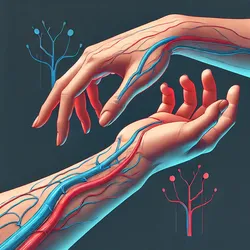 A1-A2Warum ist unser Blut rot, aber die Adern blau?Why Is Our Blood Red, But Veins Blue?
 A1-A2Warum braucht die Welt einen Quantencomputer?Why Does the World Need a Quantum Computer?
 A1-A2Warum lieben wir es, Regeln zu brechen?Why Do We Love Breaking Rules?
 A1-A2Warum glauben wir an Aberglauben?Why Do We Believe in Superstitions?
 A1-A2Wie wurde die Margherita-Pizza zum Symbol Italiens?How Did the Margherita Pizza Become a Symbol of Italy?
 A1-A2Warum sind Faultiere so langsam?Why Are Sloths So Slow?
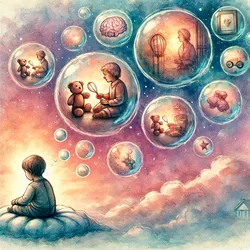 A1-A2Warum erinnern wir uns nicht an die frühen Jahre unseres Lebens?Why Don't We Remember the Early Years of Our Lives?
 A1-A2Hyperschallwaffen: Waffe der Zukunft oder Fehler der Gegenwart?Hypersonics: Weapon of the Future or Mistake of the Present?
 A1-A2Warum bist du nicht du, wenn du hungrig bistWhy Aren't You You When You're Hungry
 A1-A2Warum tritt Déjà-vu auf?Why Does Déjà Vu Occur?
 A1-A2Wie suchte Thomas Edison nach den Stimmen der Toten?How Did Thomas Edison Search for the Voices of the Dead?
 A1-A2Empfinden Tiere wirklich Scham und Eifersucht?Do Animals Really Feel Shame and Jealousy?
 A1-A2Warum können wir uns nicht selbst kitzeln?Why Can't We Tickle Ourselves?
 A1-A2Warum bewegt sich die Zeit nur vorwärts – und was hat Entropie damit zu tun?Why Does Time Only Move Forward — and What Does Entropy Have to Do with It?
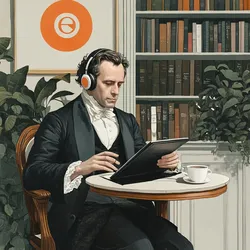 A1-A2Wie würde Immanuel Kant Fragen von Reddit beantworten?How Would Immanuel Kant Answer Questions from Reddit?
 A1-A2Warum tratschen Menschen?Why Do People Gossip?
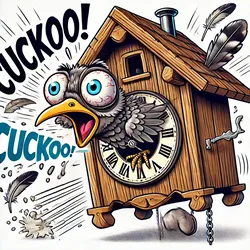 A1-A2Wie wachten Menschen pünktlich auf, bevor der Wecker erfunden wurde?How Did People Wake Up on Time Before the Invention of the Alarm Clock?
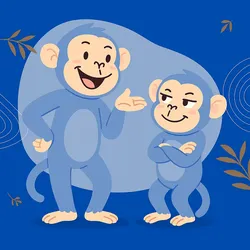 A1-A2Wie Tiere aus Liebe täuschen: Liebe, Täuschung und EvolutionHow Animals Deceive for Love: Love, Deception, and Evolution
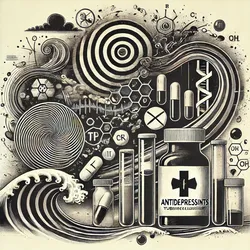 A1-A2Wie wurden Antidepressiva zufällig erfunden?How Antidepressants Were Accidentally Invented?
 A1-A2Ist es möglich, eine unendliche Batterie zu erschaffen?Is it possible to create a perpetual battery?
 A1-A2Wie die Wahrheit uns leiden lässtHow Truth Makes Us Suffer
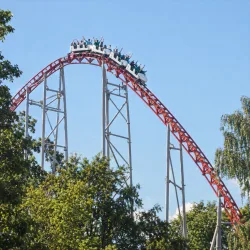 A1-A2Warum bereitet Angst Vergnügen?Why Does Fear Bring Pleasure?
 A1-A2Warum geben wir uns die Hand?Why Do We Shake Hands?
 A1-A2Warum besitzen manche Lebewesen Unsterblichkeit?Why do some living creatures possess immortality?
 A1-A2Warum macht Koffein uns schlauer?Why Does Caffeine Make Us Smarter?
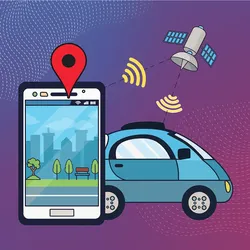 A1-A2Ein Tag ohne GPS: Was passiert, wenn die Satelliten verstummen?One Day Without GPS: What Happens If Satellites Go Silent?
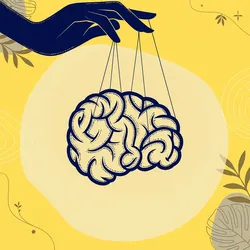 A1-A2Bist du sicher, dass du ein Mensch bist?Are You Sure You Are a Human?
 A1-A2Neurochemie des Klangs: Wie beeinflusst Musik die Stimmung?Neurochemistry of Sound: How Music Affects Mood?
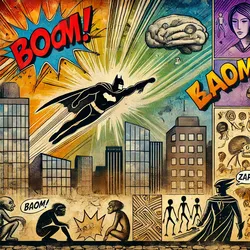 A1-A2Wie sind Comics entstanden?How Did Comics Originate?
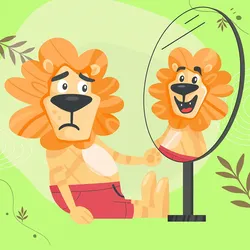 A1-A2Welche Tiere sind zur Selbstwahrnehmung fähig?What animals are capable of self-awareness?
 A1-A2Elektroschock, Heroin und Lobotomie: Wie wurden Krankheiten vor 100 Jahren behandelt?Electroshock, Heroin, and Lobotomy: How Were Illnesses Treated 100 Years Ago?
 A1-A2Denken neuronale Netzwerke wirklich?Do Neural Networks Really Think?
 A1-A2Ist unsere Realität real?Is Our Reality Real?
 A1-A2Wählst du wirklich, was du kaufst?Do You Really Choose What You Buy?
 A1-A2Warum pusten wir Kerzen auf Geburtstagskuchen aus?Why Do We Blow Out Candles on Birthday Cakes?
 A1-A2Warum schneit es in der Wüste?Why does it snow in the desert?
 A1-A2Warum möchte Elon Musk das Gehirn mit einem Computer verbinden?Why Does Elon Musk Want to Connect the Brain to a Computer?
 A1-A2Wie verstehen Sprachassistenten uns?How Do Voice Assistants Understand Us?
 A1-A2Was werden wir hinterlassen?What Will We Leave Behind?
 A1-A2Warum ist Lächeln das beste Antidepressivum?Why Smile is the Best Antidepressant?
 A1-A2Warum trug Einstein keine Socken?Why Didn't Einstein Wear Socks?
 A1-A2Wie wurde Tschernobyl zu einem Naturschutzgebiet?How Did Chernobyl Turn into a Nature Reserve?
 A1-A2Warum werden wir grau — und lässt sich das ändern?Why Do We Turn Gray — And Can It Be Changed?
 A1-A2Wie funktioniert der Autopilot in einem Flugzeug?How Does Autopilot Work in an Airplane?
 A1-A2Was bedeutet es heute, ein guter Mensch zu sein?What does it mean to be a good person today?
 A1-A2Warum vergessen wir manchmal, warum wir einen Raum betreten haben?Why Do We Sometimes Forget Why We Entered a Room?
 A1-A2Warum schnitt sich Van Gogh das Ohr ab?Why Did Van Gogh Cut Off His Ear?
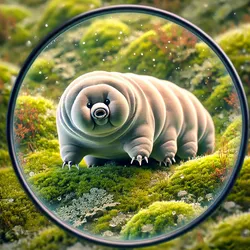 A1-A2Bärtierchen: Kleine Eroberer des UniversumsTardigrades: Tiny Conquerors of the Universe
 A1-A2Ist es möglich, Schmerzen mit der Kraft des Geistes zu kontrollieren?Is it possible to control pain with the power of the mind?
 A1-A2Wie funktionieren Instagram-Filter?How do Instagram filters work?
 A1-A2Wovor haben wir Angst – und warum brauchen wir Angst?What Are We Afraid Of — and Why Do We Need Fear?
 A1-A2Warum ist es so schwer, schlechte Gewohnheiten zu durchbrechen?Why is it so hard to break bad habits?
 A1-A2Warum trugen Männer im alten China lange Fingernägel?Why Did Men in Ancient China Wear Long Nails?
 A1-A2Können synthetische Bakterien den Planeten retten?Can Synthetic Bacteria Save the Planet?
 A1-A2Kann man vor Angst sterben?Can You Die of Fear?
 A1-A2Wie lernen Roboter zu lächeln und mitzufühlen?How Do Robots Learn to Smile and Empathize?
 A1-A2Was macht einen Menschen glücklich?What makes a person happy?
 A1-A2Wie entscheidet das Gehirn, was im Gedächtnis bleibt?How Does the Brain Decide What to Keep in Memory?
 A1-A2Warum wurde Fußball in England verboten?Why Was Football Banned in England?
 A1-A2Können Pflanzen sprechen?Can Plants Talk?
 A1-A2Wie steuern biologische Uhren unser Leben?How Do Biological Clocks Control Our Lives?
 A1-A2Wie funktioniert ein ElektroautoHow Does an Electric Car Work
 A1-A2Warum ist Stille beängstigendWhy is Silence Scary
 A1-A2Wie beeinflussen Farben deine Stimmung?How Do Colors Affect Your Mood?
 A1-A2Wie wurden Jeans zum Symbol der Freiheit?How Jeans Became a Symbol of Freedom?
 A1-A2Kann Greta Thunberg wirklich den Planeten retten?Can Greta Thunberg Really Save the Planet?
 A1-A2HIV-Impfstoff: Wie nah sind wir dran?HIV Vaccine: How Close Are We?
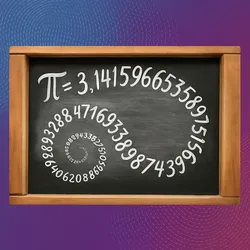 A1-A2Warum endet die Zahl π niemals?Why Does the Number π Never End?
 A1-A2Wie würdest du deinen "Und täglich grüßt das Murmeltier"-Tag ändern?How Would You Change Your "Groundhog Day"?
 A1-A2Warum verlieren wir in einer Menschenmenge den Kopf?Why Do We Lose Our Heads in a Crowd?
 A1-A2Wohin sind die Wikinger Grönlands verschwunden?Where Did the Vikings of Greenland Go?
 A1-A2Warum schnurren Katzen?Why Do Cats Purr?
 A1-A2Wie entscheidet das Gehirn, was wir fühlen?How Does the Brain Decide What We Feel?
 A1-A2Warum ist das menschliche Gehirn immer noch leistungsfähiger als neuronale Netzwerke?Why Is the Human Brain Still More Powerful Than Neural Networks?
 A1-A2Warum „Ich mag Menschen nicht“?Why "I Don't Like People"?
 A1-A2Was ist die Stärke der Introvertierten?What is the Strength of Introverts?
 A1-A2Wie Piraten die Demokratie erfandenHow Pirates Invented Democracy?
 A1-A2Können Fische unter Wasser „ertrinken“Can Fish "Drown" Underwater
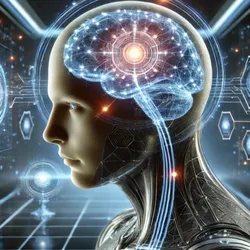 A1-A2Ist es möglich, einen Computer mit Gedankenkraft zu steuern?Is it possible to control a computer with the power of thought?
 A1-A2Warum wurde der Hyperloop noch nicht gebaut?Why Hasn’t Hyperloop Been Built Yet?
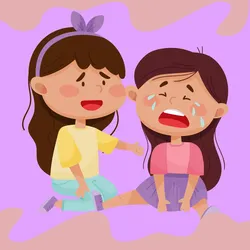 A1-A2Können wir einen anderen Menschen wirklich verstehen?Can We Truly Understand Another Person?
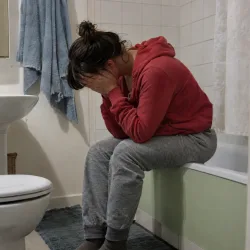 A1-A2Warum empfinden wir Scham, selbst wenn uns niemand sieht?Why Do We Feel Shame Even When No One is Watching?
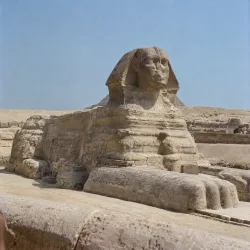 A1-A2Warum hat die Statue der Sphinx keine Nase?Why Does the Statue of the Sphinx Have No Nose?
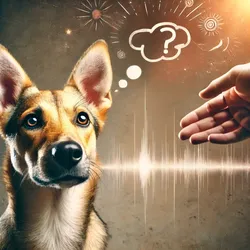 A1-A2Wie verstehen Hunde uns ohne WorteHow Do Dogs Understand Us Without Words
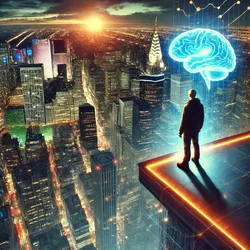 A1-A2Menschen ohne Angst: Ein Geschenk oder ein Fluch?People Without Fear: A Gift or a Curse?
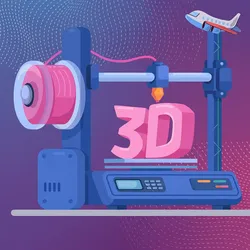 A1-A2Wie druckt man ein Flugzeug mit einem 3D-Drucker?How to Print an Airplane on a 3D Printer?
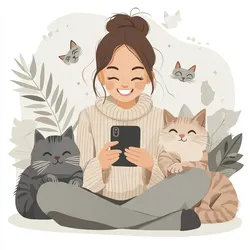 A1-A2Ist es möglich, in der Ära von Memes und Glanz eine tiefgründige Person zu sein?Is it Possible to Be a Profound Person in the Era of Memes and Gloss?
 A1-A2Wohin geht das Bewusstsein, wenn du aus der Realität „aussteigst“?Where Does Consciousness Go When You "Zone Out" of Reality?
 A1-A2Wo sind die Schätze der Tempelritter verborgen?Where Are the Templar Treasures Hidden?
 A1-A2Warum ist Spinnenseide stärker als Stahl?Why is spider silk stronger than steel
 A1-A2Gentechnologie: Der Weg zur Unsterblichkeit oder ins Chaos?Genetic Engineering: The Path to Immortality or Chaos?
 A1-A2Wie AR und VR zur neuen Realität werdenHow AR and VR Are Becoming the New Reality
 A1-A2Kann man Zeit schmecken?Can You Taste Time?
 A1-A2Kann man durch Videospiele klüger werden?Can You Become Smarter by Playing Video Games?
 A1-A2War Rasputin wirklich unsterblich?Was Rasputin Really Impossible to Kill?
 A1-A2Warum hat ein Oktopus drei HerzenWhy Does an Octopus Have Three Hearts
 A1-A2Wann werden Ärzte Robotern weichen?When Will Doctors Give Way to Robots?
 A1-A2Was wäre, wenn das Internet morgen verschwindet?What if the internet disappears tomorrow?
 A1-A2Warum es von Vorteil ist, gut zu seinWhy Being Good Is Beneficial?
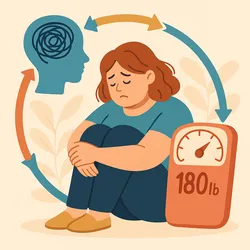 A1-A2Übergewicht und die Psyche: Ein Teufelskreis oder ein Weg zur Erkenntnis?Excess Weight and the Psyche: A Vicious Circle or a Path to Awareness?
 A1-A2Wie ging die antike Maya-Zivilisation unter?How Did the Ancient Maya Civilization Perish?
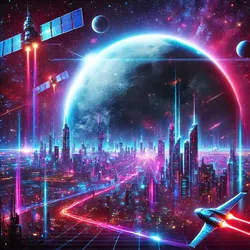 A1-A2Was würde passieren, wenn der Mond verschwände?What Would Happen If the Moon Disappeared?
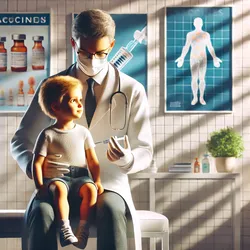 A1-A2Warum Impfungen wichtiger sind, als es scheintWhy Vaccination Is More Important Than It Seems
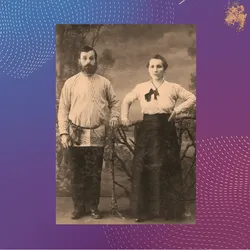 A1-A2Warum lächelt niemand auf alten Fotografien?Why Does No One Smile in Old Photographs?
 A1-A2Warum lieben wir das Leiden?Why Do We Love to Suffer?
 A1-A2Kann man vor Langeweile sterben?Can You Die of Boredom?
 A1-A2Was ist Nirwana und wie erreicht man es?What is Nirvana and How to Attain It?
 A1-A2Wie Plastik Teil unserer Ernährung wurdeHow Plastic Became Part of Our Diet?
 A1-A2Kann man sich zu Tode lachen?Can You Die from Laughter?
 A1-A2Wann wird Code zur Kunst?When Does Code Become Art?
 A1-A2Kann Lügen gerechtfertigt seinCan Lying Be Justified
 A1-A2Wie kontrollieren Gerüche unsere Erinnerungen?How Do Smells Control Our Memories?
 A1-A2Könnte Stonehenge ein Portal ins Jenseits sein?Could Stonehenge Be a Portal to the Afterlife?
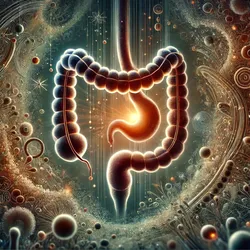 A1-A2Warum haben wir einen Blinddarm, wenn er nutzlos ist?Why do we have an appendix if it's useless?
 A1-A2Was sind Schwarze Löcher und warum machen sie Wissenschaftlern Angst?What are black holes and why do they scare scientists?
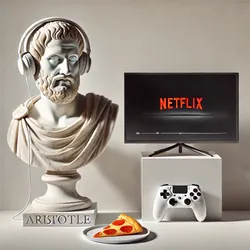 A1-A2Was ist ein „gutes Leben“What is a "good life"
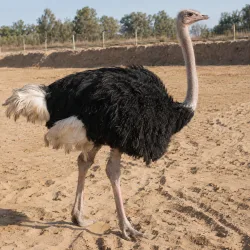 A1-A2Straußeneffekt: Schutzmechanismus oder Falle?Ostrich Effect: Defense or Trap?
 A1-A2Warum verschwand Atlantis in einer einzigen Nacht?Why Did Atlantis Disappear in One Night?
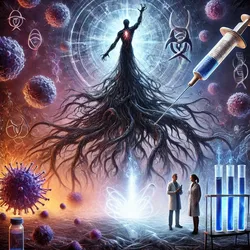 A1-A2Warum Krebs noch nicht besiegt istWhy Cancer Has Not Been Defeated Yet
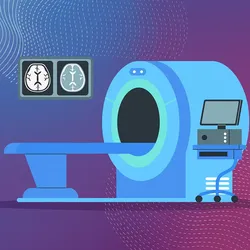 A1-A2Wie verwandelt das MRT Magnete und Wasser in eine Diagnose?How Does MRI Turn Magnets and Water into a Diagnosis?
 A1-A2Warum ist das „Trolley-Dilemma“ so beliebtWhy is the "trolley dilemma" so popular
 A1-A2Warum glauben wir an Verschwörungstheorien?Why Do We Believe in Conspiracy Theories?
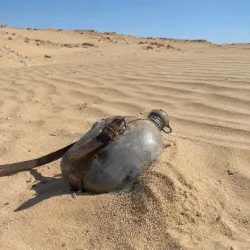 A1-A2Was geschah wirklich mit Napoleons Armee in Ägypten?What Really Happened to Napoleon's Army in Egypt?
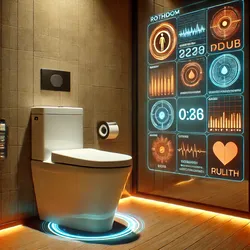 A1-A2Wie eine „smarte“ Toilette die Gesundheit analysiert: Die Zukunft der HeimdiagnostikHow a “Smart” Toilet Analyzes Health: The Future of Home Diagnostics
 A1-A2Weiche Roboter und flüssige neuronale Netze: Wie lernen Maschinen, lebendig zu sein?Soft Robots and Liquid Neural Networks: How Are Machines Learning to Be Alive?
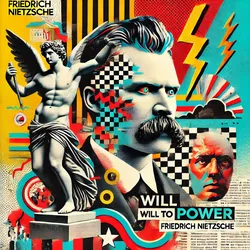 A1-A2Wie ein Mann Moral und Gott herausforderteHow One Man Challenged Morality and God
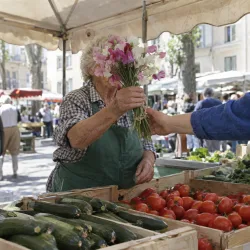 A1-A2Warum macht Dankbarkeit uns glücklicher?Why Does Gratitude Make Us Happier?
 A1-A2Hätte Tamerlans Fluch den Verlauf der Geschichte ändern können?Could Tamerlane’s Curse Have Changed the Course of History?
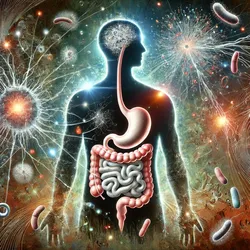 A1-A2Wie kontrollieren Bakterien unsere Emotionen?How Do Bacteria Control Our Emotions?
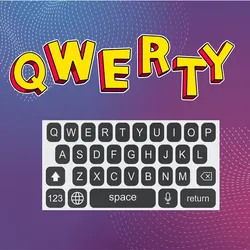 A1-A2Warum QWERTY?Why QWERTY?
 A1-A2Wer entscheidet, was Wahrheit istWho Decides What Truth Is
 A1-A2Wie sabotieren wir unser eigenes Glück?How Do We Sabotage Our Own Happiness?
 A1-A2Die geheimnisvolle Batterie aus BagdadThe Mysterious Battery from Baghdad
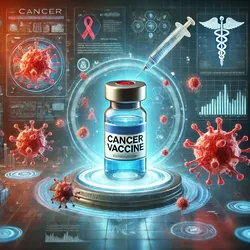 A1-A2Krebsimpfstoff: Zukunftsmusik oder bereits Realität?Cancer Vaccine: The Future or Already the Present?
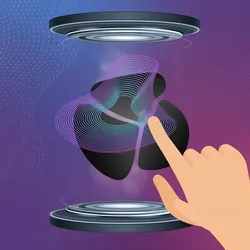 A1-A2Kann man ein Hologramm berührenCan You Touch a Hologram
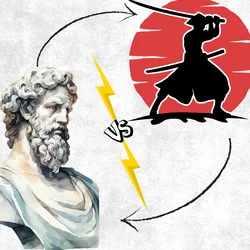 A1-A2Was haben Stoiker und Samurai gemeinsamWhat Do Stoics and Samurai Have in Common
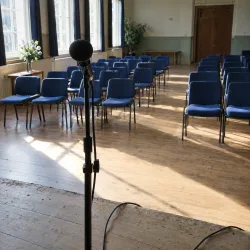 A1-A2Warum fürchten wir uns vor dem öffentlichen Sprechen?Why Do We Fear Public Speaking?
 A1-A2Wie überlistete ein buddhistischer Mönch die Zeit?How Did a Buddhist Monk Outsmart Time?
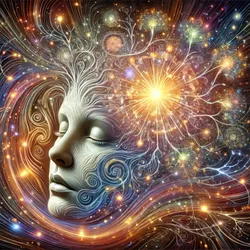 A1-A2Wie erschafft unser Gehirn Bewusstsein?How Does Our Brain Create Consciousness?
 A1-A2Wie funktionieren „Smart Cities“How do "smart cities" work
 A1-A2Warum bleiben Melodien manchmal in unserem Kopf stecken?Why Do Melodies Sometimes Get Stuck in Our Heads?
 A1-A2Wo sind die Schätze des Dritten Reiches verborgen?Where are the Treasures of the Third Reich Hidden?
 A1-A2Wie leben Menschen ohne Fingerabdrücke? Die Mutation, die die Muster auf der Haut auslöschtHow Do People Live Without Fingerprints? The Mutation That Erases the Patterns on the Skin
 A1-A2Ist es möglich, eine Sprache zu erschaffen, die für das gesamte Universum verständlich istIs it Possible to Create a Language Understandable to the Entire Universe
 A1-A2Warum lachen Menschen, wenn sie nervös sind oder trauern?Why Do People Laugh When Nervous or Grieving?
 A1-A2Wer war Jack the Ripper?Who was Jack the Ripper?
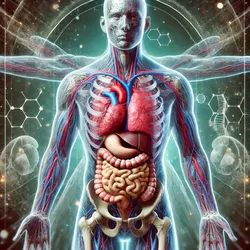 A1-A2Leben im Spiegelbild: Wie leben Menschen mit "umgekehrten" Organen?Life in Reverse: How Do People with "Flipped" Organs Live?
 A1-A2Ist es möglich, durch eine Wand zu gehenIs it Possible to Walk Through a Wall
 A1-A2Warum haben wir Albträume?Why Do We Have Nightmares?
 A1-A2Kann man einen Geist fotografieren?Can you photograph a ghost?
 A1-A2Ist es möglich, Bewusstsein in einen Computer zu übertragen?Is It Possible to Transfer Consciousness into a Computer?
 A1-A2Was ist Quantenverschränkung?What is Quantum Entanglement?
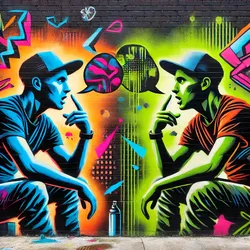 A1-A2Mit sich selbst sprechen: Weg zum Genie oder erster Schritt zum Wahnsinn?Talking to Yourself: Path to Genius or First Step to Madness?
 A1-A2Die Zone des Schweigens in Mexiko: Verschwinden dort tatsächlich Radiowellen?The Zone of Silence in Mexico: Do Radio Waves Really Vanish There?
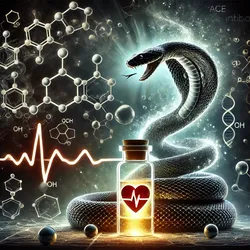 A1-A2Wie Schlangengift die Medizin verändert hatHow Snake Venom Has Changed Medicine?
 A1-A2Wie Nokia den Smartphone-Markt verlorHow Did Nokia Lose the Smartphone Market
 A1-A2Wie beeinflusst Körpersprache unsere Wahrnehmung?How Does Body Language Control Our Perception?
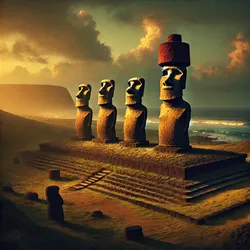 A1-A2Welche Geheimnisse bergen die steinernen Wächter der Osterinsel?What Secrets Do the Stone Guardians of Easter Island Hold?
 A1-A2Wie entscheidet das Gehirn, was gut schmecktHow does the brain decide what tastes good
 A1-A2Was sind Sonnenstürme und warum könnten sie uns ins 19. Jahrhundert zurückversetzen?What are Solar Storms and Why Could They Send Us Back to the 19th Century?
 A1-A2Wie nehmen Menschen ohne Vorstellungskraft die Welt wahr?How Do People Without Imagination Perceive the World?
 A1-A2Warum wurde die "Mary Celeste" zum Geisterschiff?Why did the "Mary Celeste" become a ghost ship?
 A1-A2Herzchirurgie: Wann Wird Risiko Zum Wunder?Heart Surgery: When Does Risk Equal a Miracle?
 A1-A2Wie Autos lernen, selbst zu fahrenHow Do Cars Learn to Drive Themselves
 A1-A2Warum kontrollieren uns die Erwartungen anderer?Why Do Others' Expectations Control Us?
 A1-A2Hat König Artus wirklich existiert?Did King Arthur Really Exist?
 A1-A2Wie wurde ein Virus zu einer Waffe gegen Krebs?How Did a Virus Become a Weapon Against Cancer?
 A1-A2Was ist KryptowährungWhat is cryptocurrency
 A1-A2Wann wird Angst zur Falle?When Does Anxiety Become a Trap?
 A1-A2Das Rätsel des Djatlow-Passes – Was geschah mit der Touristengruppe im Uralgebirge?The Mystery of the Dyatlov Pass - What Happened to the Group of Tourists in the Ural Mountains?
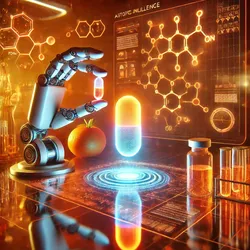 A1-A2Medikamente, schneller: Wie helfen neuronale Netze bei der Entwicklung neuer Arzneimittel?Medicines, Faster: How Do Neural Networks Help Find New Drugs?
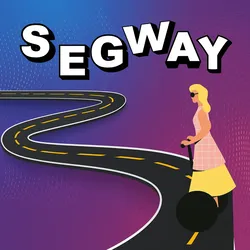 A1-A2Warum wurde der Segway nicht das Transportmittel der Zukunft?Why Didn't Segway Become the Transport of the Future
 A1-A2Warum schieben wir Dinge auf „später“?Why Do We Put Things Off Until “Later”?
 A1-A2Der Fluch des Hope-Diamanten – Wie stürzte der blaue Diamant seine Besitzer ins Verderben?The Curse of the Hope Diamond - How the Blue Diamond Doomed Its Owners?
 A1-A2Insulin: Die Entdeckung, die Millionen Leben retteteInsulin: The Discovery That Saved Millions of Lives
 A1-A2Wann werden Kühlschränke wirklich smart?When Will Refrigerators Get Smart
 A1-A2Kann man lernen, charismatisch zu sein?Can You Learn to Be Charismatic
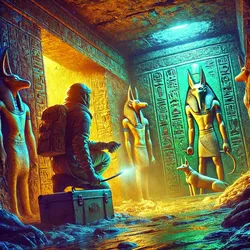 A1-A2Gab es den Fluch der Pharaonen wirklich?Did the Pharaohs' Curse Really Exist?
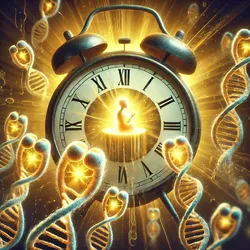 A1-A2Was sind Telomere und wie steuern sie unsere Jugend?What are telomeres and how do they control our youth?
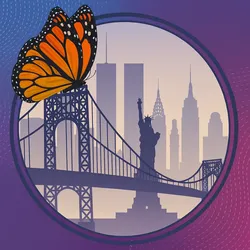 A1-A2Was ist der Schmetterlingseffekt und wie verändert er unsere Sicht auf Kausalität und Ordnung?What is the Butterfly Effect and How Does It Change Our View on Causality and Order?
 A1-A2Warum lieben wir es, das Leben anderer Menschen zu beobachten?Why Do We Love Watching Other People's Lives?
 A1-A2Wer war Mata Hari wirklich?Who Was Mata Hari Really?
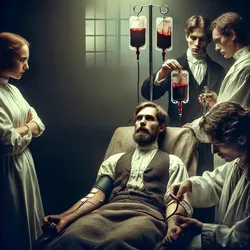 A1-A2Warum töteten Bluttransfusionen Menschen?Why Did Blood Transfusions Kill People?
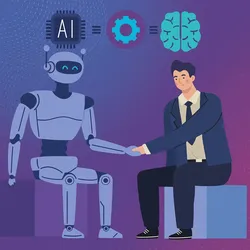 A1-A2Können Roboter unsere Freunde werden?Can robots become our friends?
 A1-A2Warum gibt es so viele "Narzisst:innen"?Why Are There So Many "Narcissists" Around?
 A1-A2Wie werden Steine in der heißesten Wüste der Welt lebendig?How Do Stones Come Alive in the World's Hottest Desert?
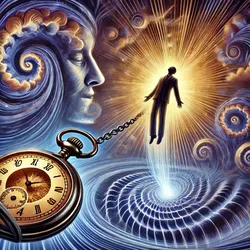 A1-A2Wie funktioniert Hypnose? Die Geheimnisse veränderter BewusstseinszuständeHow Does Hypnosis Work? The Secrets of Altered Consciousness
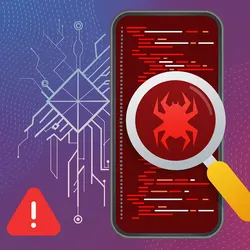 A1-A2Die geheimnisvollsten Cyberkriege der MenschheitsgeschichteThe Most Mysterious Cyberwars in Human History
 A1-A2Das „Retter-Syndrom“: Wenn Helfen nach hinten losgehtThe “Rescuer Syndrome”: When Helping Backfires
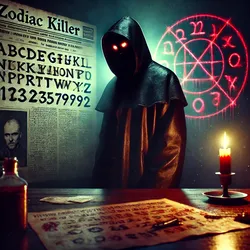 A1-A2Zodiac-Killer-Kryptogramme — Warum sind seine Chiffren noch immer ungelöst?Zodiac Killer Cryptograms — Why Are His Ciphers Still Unsolved?
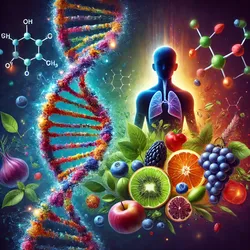 A1-A2Code der Jugend: Was sollte man essen, um dem Altern vorzubeugen?Code of Youth: What to Eat to Avoid Aging?
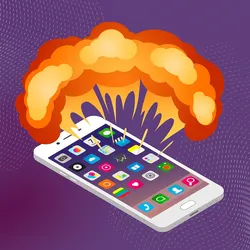 A1-A2Warum explodierte das Samsung Galaxy Note 7Why did the Samsung Galaxy Note 7 explode
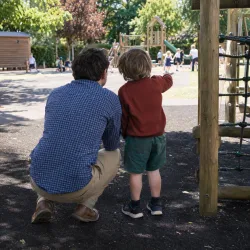 A1-A2Was ist emotionale Intelligenz?What is Emotional Intelligence?
 A1-A2Wo verschwand die große Pilotin Amelia Earhart?Where Did the Great Pilot Amelia Earhart Vanish?
 A1-A2Was Chirurgie übermenschlich machtWhat makes surgery superhuman
 A1-A2Warum ist ein Laser präziser als ein Skalpell und schneller als das Internet?Why is a laser more precise than a scalpel and faster than the internet?
 A1-A2Kann Einsamkeit unserer Gesundheit schaden?Can Loneliness Ruin Our Health?
 A1-A2Gab es die Schatzinsel wirklich?Did Treasure Island Exist in Reality?
 A1-A2Warum gähnen wir und warum ist es so ansteckend?Why Do We Yawn and Why Is It So Contagious?
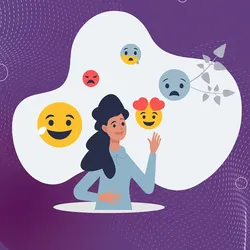 A1-A2Ist es möglich, Emotionen über das Internet zu übertragen?Is It Possible to Transmit Emotions Over the Internet?
 A1-A2Warum tun wir so, als wären wir beschäftigt?Why Do We Pretend to Be Busy?
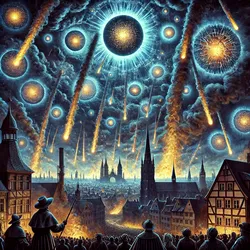 A1-A2Feuerregen in Nürnberg (1561) – UFO-Schlacht oder Naturphänomen?Fire Rain in Nuremberg (1561) - UFO Battle or Natural Phenomenon?
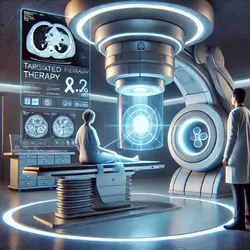 A1-A2Wie hat die Strahlung gelernt, Leben zu retten?How Did Radiation Learn to Save Lives?
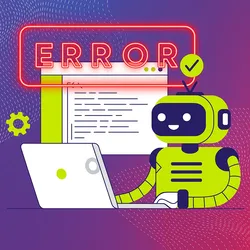 A1-A2Warum brauchen Algorithmen Fehler?Why Do Algorithms Need Errors?
 A1-A2Warum kommen brillante Ideen nachts?Why Do Brilliant Ideas Come at Night?
 A1-A2Welches Geheimnis verbirgt sich im Bermudadreieck?What secret is hidden in the Bermuda Triangle?
 A1-A2Wie funktioniert ImmunitätHow does immunity work
 A1-A2Wie funktionieren YouTubes geheime Algorithmen?How Do YouTube’s Secret Algorithms Work?
 A1-A2Die Psychologie des Lügens: Wie funktioniert es und wie kann man es erkennen?The Psychology of Lying: How It Works and How to Detect It?
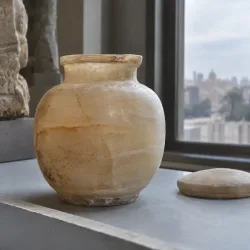 A1-A2Wie die alten Ägypter „Botox“ erfandenHow the Ancient Egyptians "Invented" Botox
 A1-A2Schlaf und Emotionen: Wie verarbeitet das Gehirn Erlebnisse?Sleep and Emotions: How Does the Brain Process Experiences?
 A1-A2Kann man Gerüche über WLAN senden?Can You Send Smell Over Wi-Fi?
 A1-A2FOMO: Warum haben wir Angst, etwas zu verpassen?FOMO: Why Are We Afraid of Missing Out?
 A1-A2Wohin verschwand der US-Navy-ZerstörerWhere Did the US Navy Destroyer Go
 A1-A2Gibt es eine Grenze für das menschliche Gedächtnis?Is There a Limit to Human Memory?
 A1-A2Was ist die „Cloud“ und wo befinden sich Ihre Dateien physisch?What is the “cloud” and where do your files physically live?
 A1-A2Was ist der „Schwarzer Schwan“-Effekt?What is the “Black Swan” Effect?
 A1-A2Das blutige Geheimnis der „Schwarzen Dahlie“ – Ein Verbrechen, das Hollywood erschütterte.The Bloody Mystery of the "Black Dahlia" - A Crime That Shocked Hollywood.
 A1-A2Wie der Zufall der Menschheit das Penicillin schenkteHow Chance Gave Humanity Penicillin
 A1-A2Warum machen Tausende von Menschen die gleichen FehlerWhy Do Thousands of People Make the Same Mistakes
 A1-A2Hatten Lincoln und Kennedy wirklich dasselbe Schicksal?Did Lincoln and Kennedy Really Share the Same Fate?
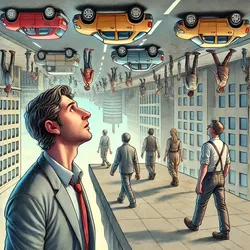 A1-A2Wie entscheidet das Gehirn, was oben und was unten ist?How Does the Brain Decide What's Up and What's Down?
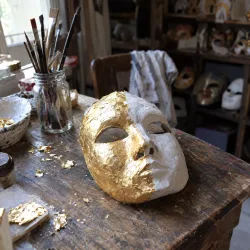 A1-A2Was ist das „Impostor-Syndrom“?What is "Impostor Syndrome"?
 A1-A2Wie eine gescheiterte Teegesellschaft in Boston eine Revolution auslösteHow a Failed Tea Party in Boston Led to a Revolution
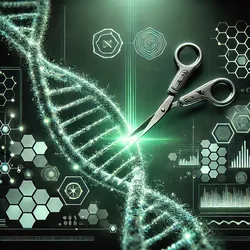 A1-A2Wie CRISPR unsere DNA und die Zukunft der Menschheit verändertHow CRISPR is Changing DNA and the Future of Humanity?
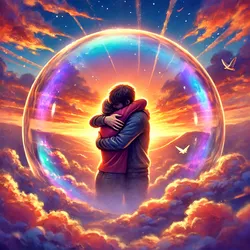 A1-A2Warum Umarmungen das beste Mittel gegen Stress sindWhy Hugs Are the Best Medicine for Stress
 A1-A2Wie ein Mann die Welt vor dem Atomkrieg retteteHow One Man Saved the World from Nuclear War
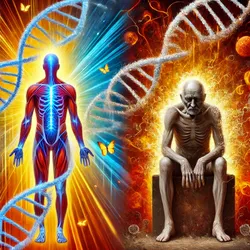 A1-A2Wie Stress DNA verändert und das Altern beschleunigtHow Stress Changes DNA and Accelerates Aging
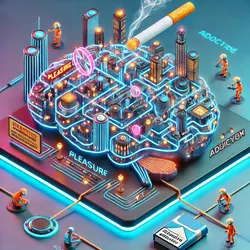 A1-A2Wie kontrolliert Nikotin Ihr Gehirn?How Does Nicotine Control Your Brain?
 A1-A2Wie konnten Backwaren durch Zufall das Schicksal eines ganzen Landes verändern?How Did Pastries Accidentally Change the Fate of an Entire Country?
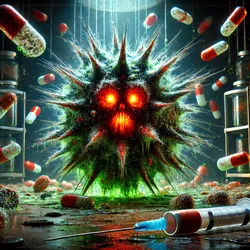 A1-A2Wann werden Antibiotika nicht mehr wirkenWhen Will Antibiotics Stop Working
 A1-A2Warum erliegen wir Manipulationen, selbst wenn wir sie durchschauen?Why Do We Succumb to Manipulations, Even When We Know About Them?
 A1-A2Wer verbirgt sich hinter Banksys Maske?Who’s Hiding Behind Banksy’s Mask?
 A1-A2Wie verändert Meditation unseren Körper und Geist?How does meditation change our body and mind?
 A1-A2Warum machen uns Sportarten glücklicher?Why Do Sports Make Us Happier?
 A1-A2Warum wurde eine ganze Stadt plötzlich verrückt?Why Did an Entire Town Suddenly Go Mad
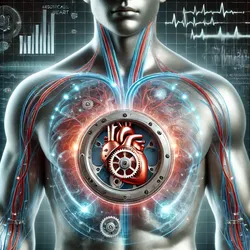 A1-A2Ist es möglich, ohne Herz zu leben?Is it Possible to Live Without a Heart?
 A1-A2Wie Cooper ein Flugzeug entführte und spurlos verschwandHow Cooper Hijacked a Plane and Vanished Without a Trace
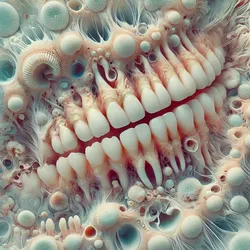 A1-A2Können Zähne an anderen Stellen unseres Körpers wachsen?Can Teeth Grow in Other Parts of Our Body?
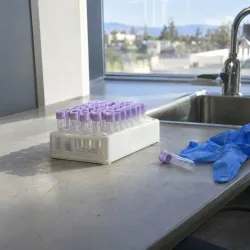 A1-A2Warum wurde Theranos nicht das nächste Apple?Why Didn't Theranos Become the Next Apple
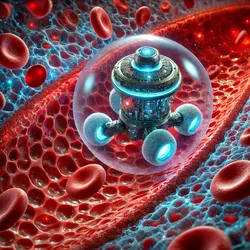 A1-A2Nanoroboter gegen Krankheiten: Wie funktioniert das?Nanorobots Against Diseases: How Does It Work?
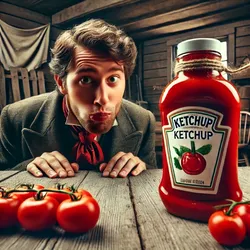 A1-A2Warum hatten Amerikaner Angst vor Tomaten?Why Were Americans Afraid of Tomatoes?
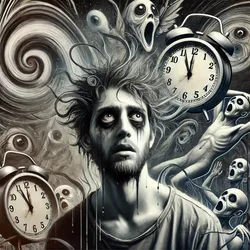 A1-A2Kannst du ohne Schlaf überlebenCan You Survive Without Sleep
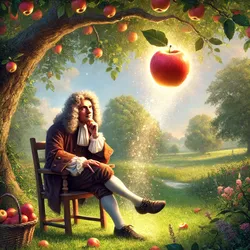 A1-A2Wie hängen Newton und fallende Äpfel zusammen?How are Newton and Falling Apples Related?
 A1-A2Wie klingt absolute Stille?What Does Absolute Silence Sound Like?
 A1-A2Wofür gab Drogenboss Pablo Escobar seine Milliarden aus?What Did Drug Lord Pablo Escobar Spend His Billions On?
 A1-A2Kryonik: Eintrittskarte zur Unsterblichkeit oder Sackgasse?Cryonics: Ticket to Immortality or Road to Nowhere?
 A1-A2Wie gefälschte Horoskope den Nazi-Geist untergrubenHow Fake Horoscopes Undermined the Nazi Spirit
 A1-A2Warum macht Kälte uns gesünder?Why Does Cold Make Us Healthier?
 A1-A2Wie wurden Nachrichten im Mittelalter verschlüsselt?How Were Messages Encrypted in the Middle Ages?
 A1-A2Kann das Gehirn eines Menschen transplantiert werden?Can a Human's Brain Be Transplanted?
 A1-A2Wurden Menschen wirklich durch Kitzeln hingerichtet?Were People Really Executed by Tickling?
 A1-A2Ist es möglich, Organe mit einem 3D-Drucker zu drucken?Is it Possible to Print Organs on a 3D Printer?
 A1-A2Welche technischen Geheimnisse hat die Geschichte vor uns verborgen?What engineering secrets did history hide from us?
 A1-A2Ist es möglich, den Schmerz eines anderen körperlich zu fühlenIs It Possible to Physically Feel Someone Else's Pain
 A1-A2Was stimmt nicht mit der „Mona Lisa“?What's Wrong with the “Mona Lisa”?
 A1-A2Können Stammzellen das Altern aufhalten?Can Stem Cells Stop Aging?
 A1-A2Die Tanzplage von 1518: Wenn Wahnsinn ansteckend wirdThe Dancing Plague of 1518: When Madness Becomes Contagious
 A1-A2Ist es möglich, ohne die Hälfte des Gehirns zu leben?Is It Possible to Live Without Half of the Brain?
 A1-A2Warum wurden Tiere im Mittelalter vor Gericht gestellt?Why Were Animals Tried in the Middle Ages?
 A1-A2Warum treten Sonnenallergien auf?Why Do Sun Allergies Occur?
 A1-A2Warum altern wir und ist es unvermeidlich?Why Do We Age and Is It Inevitable?


Read German stories and books with translation
It's more convenient there: every story and book is in one place, and the app remembers where you stopped in each one.
- Parallel translation A translation under every sentence, and any word explained with one tap.
- Native audio with shadowing Each word is highlighted as the story is read aloud. Hold a sentence's play button to hear it several times and say it along with the voice.
- 12 different exercises to learn new words Words you save while reading come back in flashcards, listening, spelling and gap-fill exercises until you know them.
What Lingo7 users are saying
Recent reviews from the App Store and Google Play, quoted the way they were written.
- Pasha Ahsap
A very useful app for learning a language: you can translate every unfamiliar word with a tap right away and save it.
- Esteban Velarde
amazing app very useful Me encantó 🙌🏻☺️
- Айгуль Оспанова
great app
-
Great app and really helpful! ⭐️
I really enjoyed using the app! It’s very helpful, easy to use, and I really liked the way everything is organized. I definitely enjoyed my experience and would recommend it to others. 😊
- A Rimmer
I can’t recommend this app enough! I use it to refine my Spanish vocabulary and learn Bulgarian, and I love that you can keep multiple languages and their word lists separate. You can read your own books with instant translation, save new words and use spaced repetition to remember them. The pictures really help words stick, and there are no distracting animations or gimmicky rewards. Easily the best language app I’ve used!
- Наталка С.
The best. You can learn words. You can listen to speech with lively intonation. The texts are very interesting. Adapted and original: first I read the adaptation, then switch to the original. You can upload your own book, translate it, and listen and read at the same time.
- Caspian Sutherland
Best app I've ever used
- Viktor
The app is good, no doubt about it. I recommend it. I did not even expect this. Lots of literature for every taste. Read the simplified version or the original. You build your own dictionary. You take quizzes, very original ones. You can have a conversation on different topics. Super! And not expensive.
- Mayur Luhadia
I have already had a yearly subscription for LINGO 7. This app is an excellent resource for anyone looking to improve their English skills. The Hindi translations and detailed explanations provided for each story are incredibly helpful and effective for learners like me.
-
Amazing app! For reading lovers this is an incredible world of different languages. I recommend it! Delighted!
The app works great! Special thanks for the speed selection! I really liked that you can switch languages. Listen to a book in Russian and read the English translation right there, or listen in English and read the Russian translation.
- Dmitry Gavrilov
The idea of the app is great, it's very useful, and I especially love the Library and saving words to the dictionary in a basic form. I would say a big thanks to the developer, who made some fixes and implementations by the mine propositions!
- Дмитрий Федешов
I studied French at university and dropped it after graduating. A couple of years later I tried watching a film without subtitles and realised my level had slipped. I started reading in the app bit by bit, simple stories at first. Now I read novels and understand about 80 percent without hints. The audio helped a lot too, my listening got better.
- Antonino Venticinque
It is the best.
- Полина Козлова
My English was B1 and it felt like I was stuck. Courses were boring, series with subtitles did not help. I started reading books in the app, and in six months my vocabulary roughly tripled. Now I read articles and documentation without translation. The main thing is that you learn not abstract words but the ones that actually come up in texts.
-
👍🏻
Norwegian is hard to find anywhere. Here there are both texts and audio. I listen to the narration on my way to work and read in the evening. It is handy that you can save words and review them later, they do not get lost.
-
Very convenient for learning
I read in Spanish before bed. The translation is right there, the audio is good. I can feel the progress.
- shanabbasi
I've tried several language learning apps, and Lingo7 stands out because of its combination of reading, audio, and flashcards. The parallel reading feature is especially helpful for understanding new words in context. The app is easy to navigate and makes daily practice feel productive rather than boring. A great tool for improving language skills step by step.
- Nour Abo elmagd
Georgian! I did not expect to find it. There are texts, the translation works, so does the audio. Thank you.
-
Good parallel reading app
A very convenient app for parallel reading. I started reading books and articles in the original without constantly translating every word. New words stick much more easily, and in a short time I began to understand spoken English noticeably better. The interface is simple and really motivates you to read every day.
- Кирилл Шапорев
I started learning Turkish recently. The texts are interesting, the translation is clear. I like that the audio plays in sync, so you hear right away how to pronounce things.
- Tatyana Naumova
The app helped me a lot with learning Serbian
- Савелий Кулаков
Great app! I have tried others, but the approach here is more interesting. I have been using it for a little over a week and it really helps. The main thing is to make an effort yourself. There were some unstable moments, but everything was fixed quickly. A huge plus is the very responsive developer.
- konstantin
Convenient for German. You read, save words, review them. Everything is simple, nothing extra.
- Randy S
Just what I was looking for. Easy books to read to supplement vocabulary learned.
- Kristina Emad
Great app, convenient interface and pleasant design. Everything works fast and without problems.
- Artem Stavilov
My child reads English fairy tales with the translation and asks for more. Better than any textbook.
- Ирина Новицкая
A great app for learning foreign languages.
- Zeynep Ornek
I use the audio reading feature in Lingo7, and it has been a real breakthrough for me. The audio tracks are clear and well synchronised, which makes it easy to follow the text and improve pronunciation. The choice of texts is varied and engaging, covering different topics and genres. I like being able to adjust the speed and repeat fragments, which really helps me focus on difficult words.
- Макс Рахвалов
I have always wanted to learn German, and in this app everything is much more accessible and clearer than in similar ones. I have started with the flashcards for now, and I will move on to reading and audio once I have learned enough words. Overall the app is a 10 out of 10.
-
😉
I am learning Spanish for a move abroad. The audio is very high quality and sounds natural. The parallel text is convenient.
- Katreena Katreena
Installed it out of curiosity, and now I have been using it every day for 3 months. I am learning French. What won me over: real books, not made-up dialogues. Saving words plus review, and the vocabulary grows before your eyes.
-
I like it!
I moved to Czechia a year ago and needed to learn Czech quickly for work. Not many apps have it, I was surprised. I read texts with the translation, and the flashcards helped me memorise words. Now I talk at work and read documents. Thanks to the developers.
- Юлия Близнюк
I like that there is no gamification and no silly streaks here. You just read a book and learn. Like an adult. Thank you for the serious approach to language learning.
-
Review
I am 63, and we go to Italy every year. I read a little before bed. The stories are interesting and the translation is right there, so you do not give up. The interface is simple. After 4 months I actually talked to a waiter in Rome. He was surprised!
- Tala Tolstoy
I have been learning Turkish for six months. I tried different apps before, and they were all grammar drills. Here you just read an interesting text with the translation right there. It sticks by itself. The most natural way to learn a language.
- Nadezhda Nadezhda
I am hooked on this app! The library is huge: classics, retellings, stories for different levels. The main difference is that you actually READ instead of just doing exercises. It feels like real studying.
- Rosita Rose
I needed Portuguese to work with a team from Brazil. Reading and audio at the same time is very effective, you train both listening and reading comprehension. The spaced repetition cards helped me build vocabulary quickly. After 6 weeks I could already follow meetings.
-
👍
I have tried every language app out there. What sets this one apart is parallel reading. Polyglots have learned this way for centuries, only here it is all in a convenient app. Tap a word and it gets saved, then you get quizzed at the right intervals. Much more natural than cramming flashcards in Anki.
- Евгения Н
a great service for practising English. you can pick a book by your level, the library is big enough for that. There are audio and text formats. The subscription is very reasonably priced.
- Pixel
I like it! It supports Serbian, five stars for that!
- Denis Nefedov
I have been looking for an app like this for a long time)
- Вася Козлодоев
the idea and the execution get a 5+. There is always something to improve, but right now this is the only app with Serbian books. well done! thank you!
How to read with a translation
- Read the sentence in German first and work out the meaning from the words you know. Only then open the translation and compare.
- Press Listen and follow the highlighted words. Listen to the same story twice: once with the translation open, once without it. Then play it a third time and say the sentences along with the voice, a beat behind it (shadowing).
- Pick the level where you understand about 80 percent without the translation. Too easy is fine; too hard turns reading into decoding. Read a little every day.
Questions about these texts
They are written for Lingo7 learners: short stories on history, nature, science, technology, philosophy and everyday life, about five minutes of reading each. Every story comes in two versions, adapted for A1-A2 and the original for B1-B2, and is translated sentence by sentence.
Yes, texts with a parallel translation, sentence by sentence. The translation is not in a second column: it sits right under each sentence in German, so your eyes stay on the original and drop to the translation only when needed. A tap on a word shows which word of the translation it matches. In the full story you can hide the translations and open one with a tap on its sentence, and pick the translation language: any of the other 49 Lingo7 languages.
Sentence by sentence and close to the original, so you can match the words, but written as natural sentences, not word for word. Where the two conflict, the meaning wins over the word order.
Yes. In the full story set the translation to "On tap", translate a sentence yourself, then tap it to compare with ours.
No. This page shows the first page of one story; the whole stories are in the Lingo7 app, where they work offline once opened and every word can be tapped for a translation.
This page is free. In Lingo7 you open any story and read its first page for free; a subscription unlocks all the stories, the audio and the word practice.
Press Listen and the story is read aloud in German by a native voice, with the current word highlighted. The recording is made from this exact text, so you can pause and reread any sentence.
Yes. Every story has an adapted version for A1-A2, rewritten in simpler language. Start there, and when it reads easily, switch the same story to the original for B1-B2.
Read the adapted example above without the translation. If you understand most of it and miss only a few words, start there. If it feels too easy, switch to the original. The adapted version is for A1-A2, the original for B1-B2, and after the stories come the books.