French texts by level with translation
Short stories in French for learners, about five minutes of reading each, with a translation under every sentence and audio narrated by native speakers. Every story comes in two versions: adapted for A1-A2 and the original for B1-B2.
Stories in French
The adapted version: short sentences and the most common words.
The original story, as it is written.
Five minutes of reading each, a translation under every sentence, audio with the current word highlighted.
 A1-A2Le Manuscrit de VoynichThe Voynich Manuscript
 A1-A2Pourquoi Perdons-Nous la Tête par Amour ?Why Do We Lose Our Heads Over Love?
 A1-A2Comment fonctionne l'effet placebo ?How Does the Placebo Effect Work?
 A1-A2Comment fonctionne le Wi-FiHow does Wi-Fi work
 A1-A2Ce qui fait de nous « nous »What makes us "us"
 A1-A2Pourquoi aimons-nous tant prendre des selfies ?Why Do We Love Taking Selfies So Much?
 A1-A2Comment un livre a-t-il prédit le naufrage du Titanic ?How Did a Book Predict the Sinking of the Titanic?
 A1-A2Que se passe-t-il si l’on donne du café à un escargot ?What happens if you give coffee to a snail?
 A1-A2Pourquoi les cicatrices ne bronzent-elles pas ?Why Don't Scars Tan?
 A1-A2Est-il possible de créer un mot de passe absolument sécurisé ?Is It Possible to Create an Absolutely Secure Password?
 A1-A2Qui l’intelligence artificielle cite-t-elle ?Whom Does the Artificial Intelligence Quote?
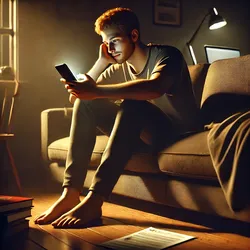 A1-A2Le monde fascinant des réseaux sociaux : un sauvetage ou un piège pour l’esprit ?The Fascinating World of Social Media: A Rescue or a Trap for the Mind?
 A1-A2Que cache la date de la mort d'Hitler ?What Does the Date of Hitler’s Death Conceal?
 A1-A2Comment les animaux perçoivent-ils les catastrophes ?How do animals sense disasters?
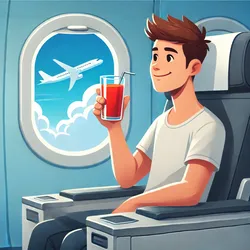 A1-A2Pourquoi le jus de tomate a-t-il meilleur goût dans les airs ?Why Does Tomato Juice Taste Better in the Sky?
 A1-A2Pourquoi les pixels ne sont pas de petits carrés : L’anatomie d’une image et l’illusion de la réalitéWhy Pixels Aren't Little Squares: The Anatomy of an Image and the Illusion of Reality
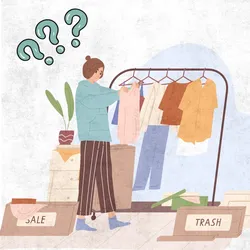 A1-A2De combien de choses as-tu besoin pour être heureux ?How Many Things Do You Need for Happiness?
 A1-A2Quand notre nom décide pour nousWhen Our Name Decides for Us
 A1-A2Comment un homme a-t-il survécu à la fois à Hiroshima et à Nagasaki ?How Did One Man Survive Both Hiroshima and Nagasaki?
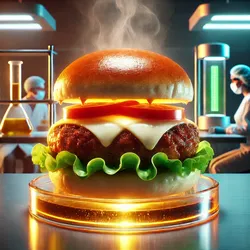 A1-A2Est-il possible de faire pousser un burger en laboratoire ?Is It Possible to Grow a Burger in a Laboratory?
 A1-A2Pourquoi pleurons-nous — et pourquoi est-ce bénéfique ?Why Do We Cry — and Why Is It Beneficial?
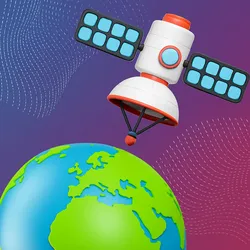 A1-A2Que fait un satellite quand il s’ennuie ?What Does a Satellite Do When It's Bored?
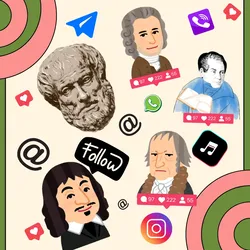 A1-A2Qu'avons-nous en commun avec les anciens Grecs ?What Do We Have in Common with the Ancient Greeks?
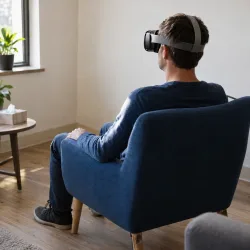 A1-A2D'où viennent les phobies les plus étranges ?Where Do the Strangest Phobias Come From?
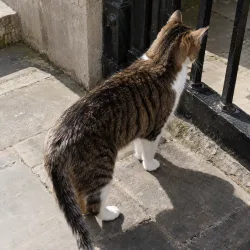 A1-A2Comment un chat a-t-il obtenu un emploi au sein du gouvernement britannique ?How Did a Cat Get a Job in the British Government?
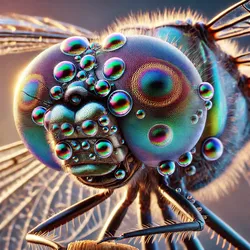 A1-A2Pourquoi une libellule a-t-elle besoin de 30 000 lentilles dans chaque œil ?Why Does a Dragonfly Need 30,000 Lenses in Each Eye?
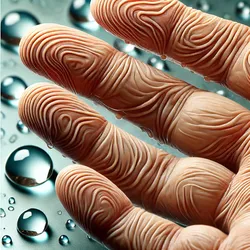 A1-A2Pourquoi les doigts se rident-ils dans l'eau ?Why Do Fingers Wrinkle in Water?
 A1-A2D'où vient le code QR—et pourquoi est-il partout aujourd'hui ?Where Did the QR Code Come From—and Why Is It Everywhere Now?
 A1-A2Sommes-nous maîtres de nos vies ?Are We in Control of Our Own Lives?
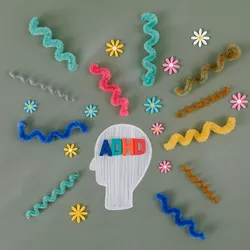 A1-A2TDAH : Une épidémie de distraction ou simplement un effet de mode ?ADHD: A Distraction Epidemic or Just a Fad?
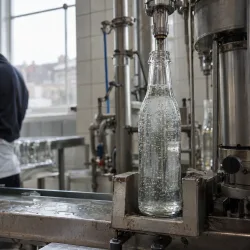 A1-A2Pourquoi Coca-Cola a-t-il créé un cola incolore pour le maréchal Joukov ?Why Did Coca-Cola Make a Colorless Cola for Marshal Zhukov?
 A1-A2Les plantes peuvent-elles posséder une forme primitive de conscience ?Can Plants Possess a Primitive Form of Consciousness?
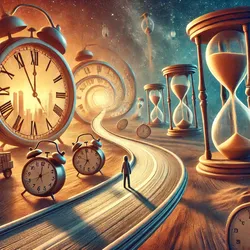 A1-A2Comment nous "ressentons" le temps et pourquoi il s'accélère avec l'âgeHow We "Feel" Time and Why It Speeds Up with Age
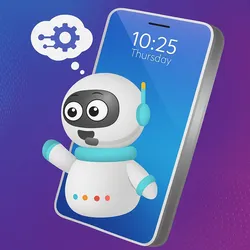 A1-A2Comment les gadgets savent-ils ce que vous voulez ?How do gadgets know what you want?
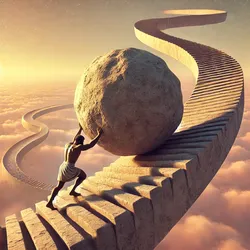 A1-A2Et si tout dans ce monde était dénué de sens ?What if everything in this world is meaningless?
 A1-A2Comment notre cerveau génère-t-il de faux souvenirs ?How Does Our Brain Generate False Memories?
 A1-A2Pourquoi les premiers Jeux Olympiques furent-ils un échec ?Why Were the First Olympic Games a Failure?
 A1-A2Les dauphins peuvent-ils parler ?Can Dolphins Talk?
 A1-A2Pourquoi notre sang est-il rouge, mais nos veines bleues ?Why Is Our Blood Red, But Veins Blue?
 A1-A2Pourquoi le monde a-t-il besoin d'un ordinateur quantique ?Why Does the World Need a Quantum Computer?
 A1-A2Pourquoi aimons-nous enfreindre les règles ?Why Do We Love Breaking Rules?
 A1-A2Pourquoi croyons-nous aux superstitions ?Why Do We Believe in Superstitions?
 A1-A2Comment la pizza Margherita est-elle devenue un symbole de l’Italie ?How Did the Margherita Pizza Become a Symbol of Italy?
 A1-A2Pourquoi les paresseux sont-ils si lents ?Why Are Sloths So Slow?
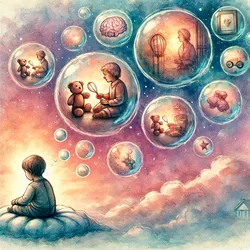 A1-A2Pourquoi ne nous souvenons-nous pas des premières années de notre vie ?Why Don't We Remember the Early Years of Our Lives?
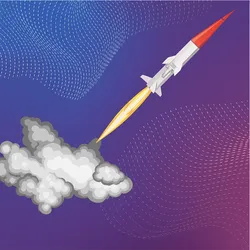 A1-A2L’hypersonique : Arme du futur ou erreur du présent ?Hypersonics: Weapon of the Future or Mistake of the Present?
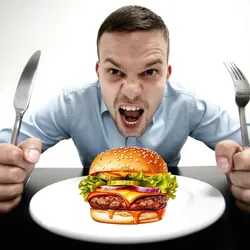 A1-A2Pourquoi n'êtes-vous plus vous-même quand vous avez faimWhy Aren't You You When You're Hungry
 A1-A2Pourquoi le Déjà Vu Se Produit-Il ?Why Does Déjà Vu Occur?
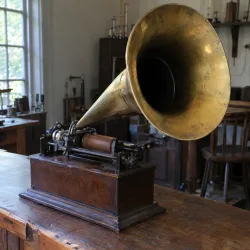 A1-A2Comment Thomas Edison a-t-il cherché les voix des morts ?How Did Thomas Edison Search for the Voices of the Dead?
 A1-A2Les animaux ressentent-ils vraiment la honte et la jalousie ?Do Animals Really Feel Shame and Jealousy?
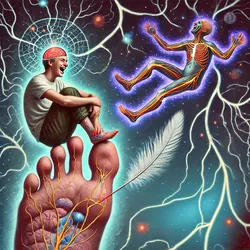 A1-A2Pourquoi ne pouvons-nous pas nous chatouiller nous-mêmes ?Why Can't We Tickle Ourselves?
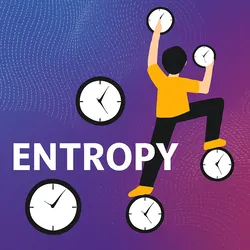 A1-A2Pourquoi le temps ne va-t-il que dans un seul sens — et quel est le rapport avec l’entropie ?Why Does Time Only Move Forward — and What Does Entropy Have to Do with It?
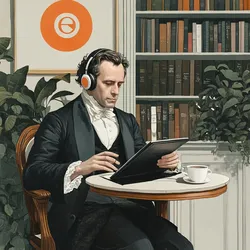 A1-A2Comment Emmanuel Kant Répondrait-il aux Questions de Reddit ?How Would Immanuel Kant Answer Questions from Reddit?
 A1-A2Pourquoi les gens colportent-ils des ragots ?Why Do People Gossip?
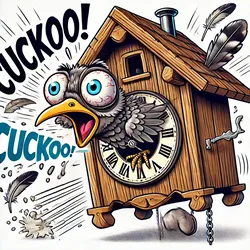 A1-A2Comment les gens se réveillaient-ils à l’heure avant l’invention du réveil ?How Did People Wake Up on Time Before the Invention of the Alarm Clock?
 A1-A2Comment les animaux trompent par amour : Amour, tromperie et évolutionHow Animals Deceive for Love: Love, Deception, and Evolution
 A1-A2Comment les antidépresseurs ont-ils été inventés par accident ?How Antidepressants Were Accidentally Invented?
 A1-A2Est-il possible de créer une batterie perpétuelle ?Is it possible to create a perpetual battery?
 A1-A2Comment la vérité nous fait souffrirHow Truth Makes Us Suffer
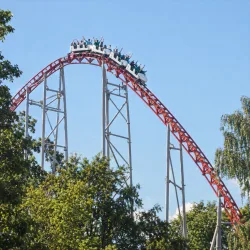 A1-A2Pourquoi la peur procure-t-elle du plaisir ?Why Does Fear Bring Pleasure?
 A1-A2Pourquoi nous serrons-nous la main ?Why Do We Shake Hands?
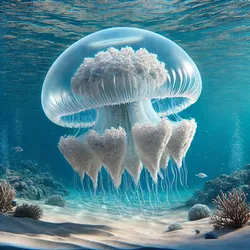 A1-A2Pourquoi certaines créatures vivantes possèdent-elles l’immortalité ?Why do some living creatures possess immortality?
 A1-A2Pourquoi la caféine nous rend-elle plus intelligents ?Why Does Caffeine Make Us Smarter?
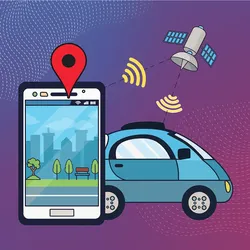 A1-A2Un jour sans GPS : Que se passe-t-il si les satellites se taisent ?One Day Without GPS: What Happens If Satellites Go Silent?
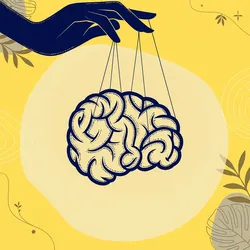 A1-A2Êtes-vous sûr d’être un humain ?Are You Sure You Are a Human?
 A1-A2Neurochimie du son : Comment la musique influence-t-elle l’humeur ?Neurochemistry of Sound: How Music Affects Mood?
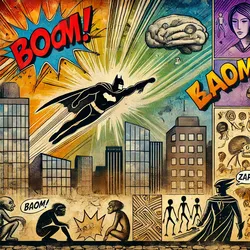 A1-A2Comment les bandes dessinées sont-elles apparues ?How Did Comics Originate?
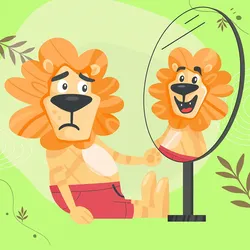 A1-A2Quels animaux sont capables de conscience de soi ?What animals are capable of self-awareness?
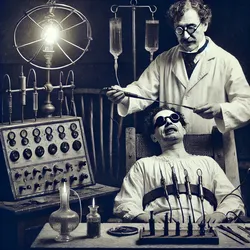 A1-A2Électrochocs, héroïne et lobotomie : comment traitait-on les maladies il y a 100 ans ?Electroshock, Heroin, and Lobotomy: How Were Illnesses Treated 100 Years Ago?
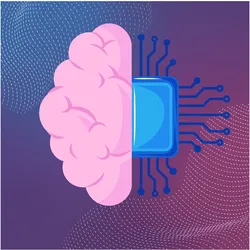 A1-A2Les réseaux de neurones pensent-ils vraiment ?Do Neural Networks Really Think?
 A1-A2Notre réalité est-elle réelle ?Is Our Reality Real?
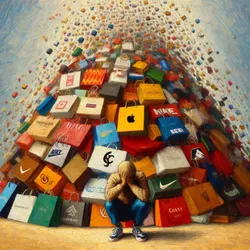 A1-A2Choisissez-vous vraiment ce que vous achetez ?Do You Really Choose What You Buy?
 A1-A2Pourquoi souffle-t-on des bougies sur les gâteaux d’anniversaire ?Why Do We Blow Out Candles on Birthday Cakes?
 A1-A2Pourquoi neige-t-il dans le désert ?Why does it snow in the desert?
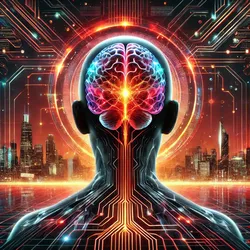 A1-A2Pourquoi Elon Musk Veut-il Connecter le Cerveau à un Ordinateur ?Why Does Elon Musk Want to Connect the Brain to a Computer?
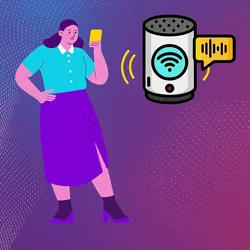 A1-A2Comment les assistants vocaux nous comprennent-ils ?How Do Voice Assistants Understand Us?
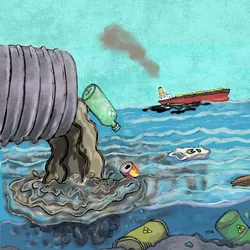 A1-A2Que laisserons-nous derrière nous ?What Will We Leave Behind?
 A1-A2Pourquoi le sourire est-il le meilleur antidépresseur ?Why Smile is the Best Antidepressant?
 A1-A2Pourquoi Einstein ne portait-il pas de chaussettes ?Why Didn't Einstein Wear Socks?
 A1-A2Comment Tchernobyl est-il devenu une réserve naturelle ?How Did Chernobyl Turn into a Nature Reserve?
 A1-A2Pourquoi Devenons-Nous Gris — Et Peut-on Changer Cela ?Why Do We Turn Gray — And Can It Be Changed?
 A1-A2Comment fonctionne le pilote automatique dans un avion ?How Does Autopilot Work in an Airplane?
 A1-A2Que signifie être une bonne personne aujourd’hui ?What does it mean to be a good person today?
 A1-A2Pourquoi oublions-nous parfois pourquoi nous sommes entrés dans une pièce ?Why Do We Sometimes Forget Why We Entered a Room?
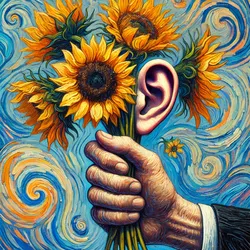 A1-A2Pourquoi Van Gogh s’est-il coupé l’oreille ?Why Did Van Gogh Cut Off His Ear?
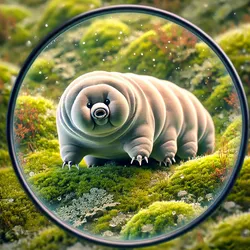 A1-A2Les tardigrades : minuscules conquérants de l'universTardigrades: Tiny Conquerors of the Universe
 A1-A2Est-il possible de contrôler la douleur par la force de l'esprit ?Is it possible to control pain with the power of the mind?
 A1-A2Comment fonctionnent les filtres Instagram ?How do Instagram filters work?
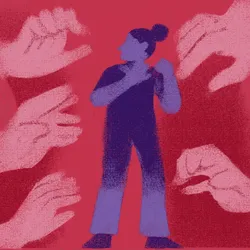 A1-A2De quoi avons-nous peur — et pourquoi avons-nous besoin de la peur ?What Are We Afraid Of — and Why Do We Need Fear?
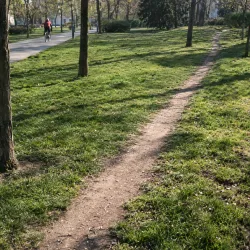 A1-A2Pourquoi est-il si difficile de se débarrasser des mauvaises habitudes ?Why is it so hard to break bad habits?
 A1-A2Pourquoi les hommes de la Chine ancienne portaient-ils de longs ongles ?Why Did Men in Ancient China Wear Long Nails?
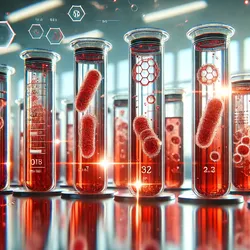 A1-A2Les bactéries synthétiques peuvent-elles sauver la planète ?Can Synthetic Bacteria Save the Planet?
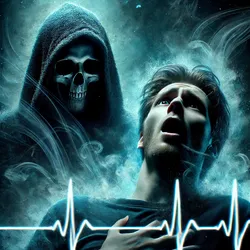 A1-A2Peut-on mourir de peur ?Can You Die of Fear?
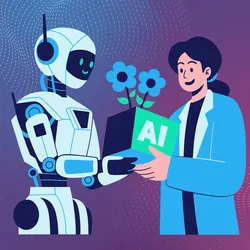 A1-A2Comment les robots apprennent-ils à sourire et à faire preuve d’empathie ?How Do Robots Learn to Smile and Empathize?
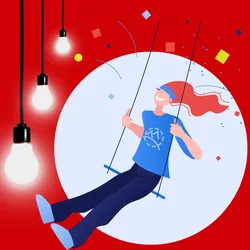 A1-A2Qu'est-ce qui rend une personne heureuse ?What makes a person happy?
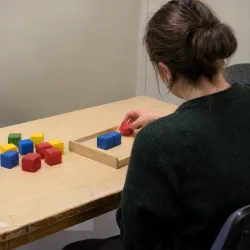 A1-A2Comment le cerveau décide-t-il de ce qu’il garde en mémoire ?How Does the Brain Decide What to Keep in Memory?
 A1-A2Pourquoi le football était-il interdit en Angleterre ?Why Was Football Banned in England?
 A1-A2Les plantes peuvent-elles parler ?Can Plants Talk?
 A1-A2Comment les horloges biologiques contrôlent-elles nos vies ?How Do Biological Clocks Control Our Lives?
 A1-A2Comment fonctionne une voiture électriqueHow Does an Electric Car Work
 A1-A2Pourquoi le silence fait-il peurWhy is Silence Scary
 A1-A2Comment les couleurs influencent-elles votre humeur ?How Do Colors Affect Your Mood?
 A1-A2Comment le jean est-il devenu un symbole de liberté ?How Jeans Became a Symbol of Freedom?
 A1-A2Greta Thunberg peut-elle vraiment sauver la planète ?Can Greta Thunberg Really Save the Planet?
 A1-A2Vaccin contre le VIH : Où en sommes-nous ?HIV Vaccine: How Close Are We?
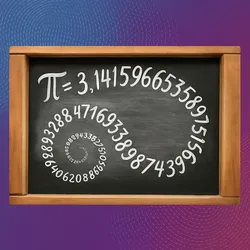 A1-A2Pourquoi le nombre π ne se termine-t-il jamais ?Why Does the Number π Never End?
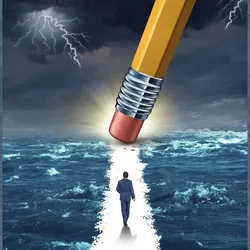 A1-A2Comment changeriez-vous votre « Jour de la marmotte » ?How Would You Change Your "Groundhog Day"?
 A1-A2Pourquoi Perdons-Nous la Tête dans une Foule ?Why Do We Lose Our Heads in a Crowd?
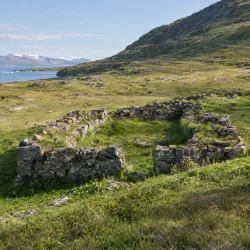 A1-A2Où sont passés les Vikings du Groenland ?Where Did the Vikings of Greenland Go?
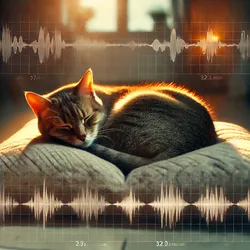 A1-A2Pourquoi les chats ronronnent-ils ?Why Do Cats Purr?
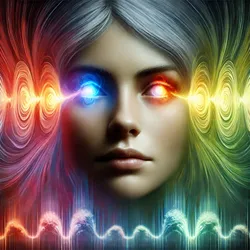 A1-A2Comment le cerveau décide-t-il de ce que nous ressentons ?How Does the Brain Decide What We Feel?
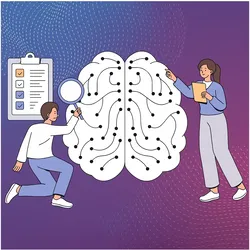 A1-A2Pourquoi le cerveau humain est-il encore plus puissant que les réseaux neuronaux ?Why Is the Human Brain Still More Powerful Than Neural Networks?
 A1-A2Pourquoi « Je n’aime pas les gens » ?Why "I Don't Like People"?
 A1-A2Quelle est la force des introvertis ?What is the Strength of Introverts?
 A1-A2Comment les pirates ont-ils inventé la démocratie ?How Pirates Invented Democracy?
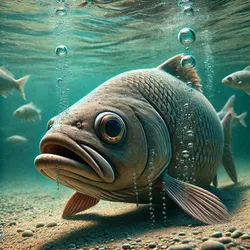 A1-A2Les poissons peuvent-ils « se noyer » sous l’eauCan Fish "Drown" Underwater
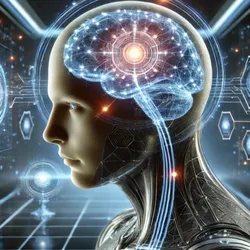 A1-A2Est-il possible de contrôler un ordinateur par la pensée ?Is it possible to control a computer with the power of thought?
 A1-A2Pourquoi l’Hyperloop n’a-t-il pas encore été construit ?Why Hasn’t Hyperloop Been Built Yet?
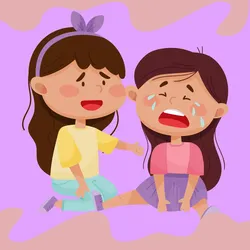 A1-A2Pouvons-nous vraiment comprendre une autre personne ?Can We Truly Understand Another Person?
 A1-A2Pourquoi ressentons-nous de la honte même lorsque personne ne nous regarde ?Why Do We Feel Shame Even When No One is Watching?
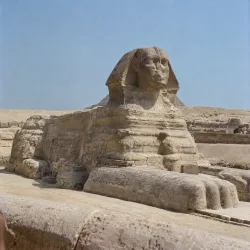 A1-A2Pourquoi la statue du Sphinx n’a-t-elle pas de nez ?Why Does the Statue of the Sphinx Have No Nose?
 A1-A2Comment les chiens nous comprennent-ils sans les motsHow Do Dogs Understand Us Without Words
 A1-A2Les gens sans peur : un don ou une malédiction ?People Without Fear: A Gift or a Curse?
 A1-A2Comment imprimer un avion avec une imprimante 3D ?How to Print an Airplane on a 3D Printer?
 A1-A2Est-il possible d’être une personne profonde à l’ère des mèmes et du clinquant ?Is it Possible to Be a Profound Person in the Era of Memes and Gloss?
 A1-A2Où va la conscience lorsque vous « décrochez » de la réalité ?Where Does Consciousness Go When You "Zone Out" of Reality?
 A1-A2Où sont cachés les trésors des Templiers ?Where Are the Templar Treasures Hidden?
 A1-A2Pourquoi la soie d’araignée est-elle plus résistante que l’acierWhy is spider silk stronger than steel
 A1-A2Ingénierie génétique : Le chemin vers l’immortalité ou le chaos ?Genetic Engineering: The Path to Immortality or Chaos?
 A1-A2Comment la réalité augmentée et la réalité virtuelle deviennent la nouvelle réalitéHow AR and VR Are Becoming the New Reality
 A1-A2Peut-on goûter le temps ?Can You Taste Time?
 A1-A2Peut-on devenir plus intelligent en jouant aux jeux vidéo ?Can You Become Smarter by Playing Video Games?
 A1-A2Raspoutine était-il vraiment impossible à tuer ?Was Rasputin Really Impossible to Kill?
 A1-A2Pourquoi une pieuvre a-t-elle trois cœursWhy Does an Octopus Have Three Hearts
 A1-A2Quand les médecins céderont-ils la place aux robots ?When Will Doctors Give Way to Robots?
 A1-A2Et si Internet disparaissait demain ?What if the internet disappears tomorrow?
 A1-A2Pourquoi être bon est-il bénéfique ?Why Being Good Is Beneficial?
 A1-A2Le Surpoids et la Psyché : Un Cercle Vicieux ou un Chemin vers la Conscience ?Excess Weight and the Psyche: A Vicious Circle or a Path to Awareness?
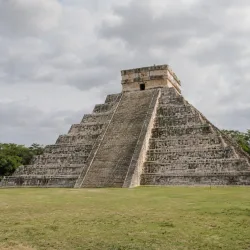 A1-A2Comment la civilisation maya s'est-elle éteinte ?How Did the Ancient Maya Civilization Perish?
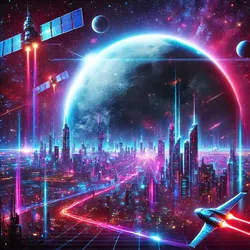 A1-A2Que se passerait-il si la Lune disparaissait ?What Would Happen If the Moon Disappeared?
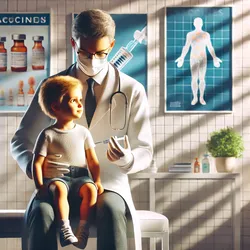 A1-A2Pourquoi la vaccination est plus importante qu'il n'y paraîtWhy Vaccination Is More Important Than It Seems
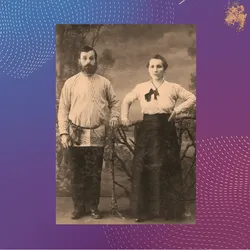 A1-A2Pourquoi personne ne sourit-il sur les vieilles photographies ?Why Does No One Smile in Old Photographs?
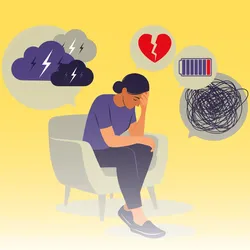 A1-A2Pourquoi aimons-nous souffrir ?Why Do We Love to Suffer?
 A1-A2Peut-on mourir d’ennui ?Can You Die of Boredom?
 A1-A2Qu'est-ce que le Nirvana et comment l'atteindre ?What is Nirvana and How to Attain It?
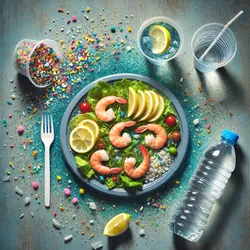 A1-A2Comment le plastique est-il devenu partie intégrante de notre alimentation ?How Plastic Became Part of Our Diet?
 A1-A2Peut-on mourir de rire ?Can You Die from Laughter?
 A1-A2Quand le code devient-il de l’art ?When Does Code Become Art?
 A1-A2Le mensonge peut-il être justifiéCan Lying Be Justified
 A1-A2Comment les odeurs contrôlent-elles nos souvenirs ?How Do Smells Control Our Memories?
 A1-A2Et si Stonehenge était un portail vers l’au-delà ?Could Stonehenge Be a Portal to the Afterlife?
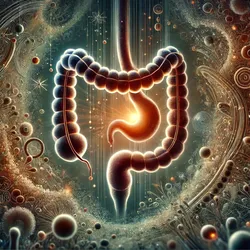 A1-A2Pourquoi avons-nous un appendice s'il ne sert à rien ?Why do we have an appendix if it's useless?
 A1-A2Que sont les trous noirs et pourquoi effraient-ils les scientifiques ?What are black holes and why do they scare scientists?
 A1-A2Qu'est-ce qu'une « bonne vie »What is a "good life"
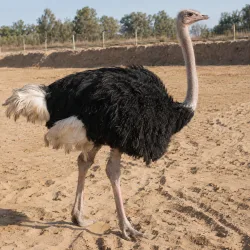 A1-A2Effet autruche : défense ou piège ?Ostrich Effect: Defense or Trap?
 A1-A2Pourquoi l’Atlantide a-t-elle disparu en une nuit ?Why Did Atlantis Disappear in One Night?
 A1-A2Pourquoi le cancer n’a-t-il pas encore été vaincuWhy Cancer Has Not Been Defeated Yet
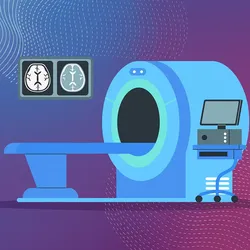 A1-A2Comment l’IRM transforme-t-elle aimants et eau en diagnostic ?How Does MRI Turn Magnets and Water into a Diagnosis?
 A1-A2Pourquoi le « dilemme du tramway » est-il si populaireWhy is the "trolley dilemma" so popular
 A1-A2Pourquoi croyons-nous aux théories du complot ?Why Do We Believe in Conspiracy Theories?
 A1-A2Qu'est-il vraiment arrivé à l'armée de Napoléon en Égypte ?What Really Happened to Napoleon's Army in Egypt?
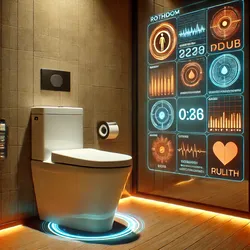 A1-A2Comment une toilette « intelligente » analyse la santé : l’avenir du diagnostic à domicileHow a “Smart” Toilet Analyzes Health: The Future of Home Diagnostics
 A1-A2Robots souples et réseaux neuronaux liquides : comment les machines apprennent-elles à être vivantes ?Soft Robots and Liquid Neural Networks: How Are Machines Learning to Be Alive?
 A1-A2Comment un homme a défié la morale et DieuHow One Man Challenged Morality and God
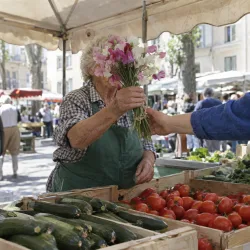 A1-A2Pourquoi la gratitude nous rend-elle plus heureux ?Why Does Gratitude Make Us Happier?
 A1-A2La malédiction de Tamerlan a-t-elle pu changer le cours de l’histoire ?Could Tamerlane’s Curse Have Changed the Course of History?
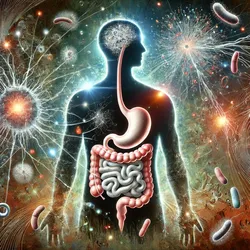 A1-A2Comment les bactéries contrôlent-elles nos émotions ?How Do Bacteria Control Our Emotions?
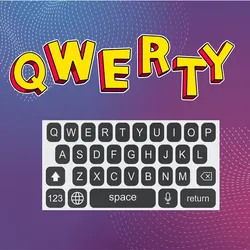 A1-A2Pourquoi QWERTY ?Why QWERTY?
 A1-A2Qui décide de ce qu'est la véritéWho Decides What Truth Is
 A1-A2Comment Sabotons-Nous Notre Propre Bonheur ?How Do We Sabotage Our Own Happiness?
 A1-A2La mystérieuse pile de BagdadThe Mysterious Battery from Baghdad
 A1-A2Vaccin contre le cancer : l’avenir ou déjà le présent ?Cancer Vaccine: The Future or Already the Present?
 A1-A2Pouvez-vous toucher un hologrammeCan You Touch a Hologram
 A1-A2Ce que les Stoïciens et les Samouraïs ont en communWhat Do Stoics and Samurai Have in Common
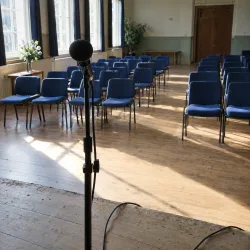 A1-A2Pourquoi avons-nous peur de parler en public ?Why Do We Fear Public Speaking?
 A1-A2Comment un moine bouddhiste a-t-il défié le temps ?How Did a Buddhist Monk Outsmart Time?
 A1-A2Comment notre cerveau crée-t-il la conscience ?How Does Our Brain Create Consciousness?
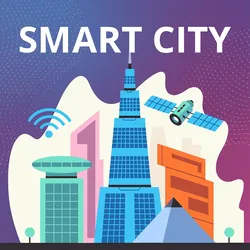 A1-A2Comment fonctionnent les "villes intelligentes"How do "smart cities" work
 A1-A2Pourquoi les mélodies nous restent-elles parfois en tête ?Why Do Melodies Sometimes Get Stuck in Our Heads?
 A1-A2Où sont cachés les trésors du Troisième Reich ?Where are the Treasures of the Third Reich Hidden?
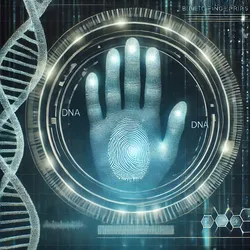 A1-A2Comment peut-on vivre sans empreintes digitales ? La mutation qui efface les motifs de la peauHow Do People Live Without Fingerprints? The Mutation That Erases the Patterns on the Skin
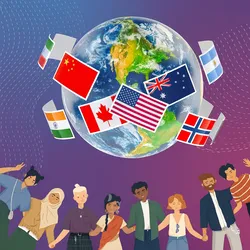 A1-A2Est-il possible de créer une langue compréhensible par tout l’universIs it Possible to Create a Language Understandable to the Entire Universe
 A1-A2Pourquoi rit-on lorsqu'on est nerveux ou en deuil ?Why Do People Laugh When Nervous or Grieving?
 A1-A2Qui était Jack l'Éventreur ?Who was Jack the Ripper?
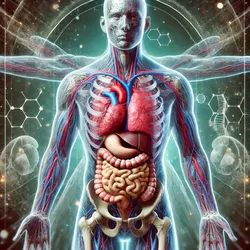 A1-A2La vie à l’envers : comment vivent les personnes avec des organes « inversés » ?Life in Reverse: How Do People with "Flipped" Organs Live?
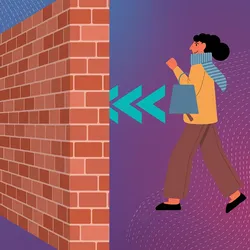 A1-A2Est-il possible de traverser un murIs it Possible to Walk Through a Wall
 A1-A2Pourquoi faisons-nous des cauchemars ?Why Do We Have Nightmares?
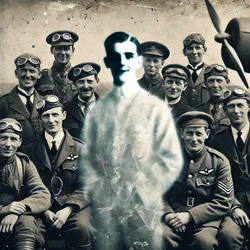 A1-A2Peut-on photographier un fantôme ?Can you photograph a ghost?
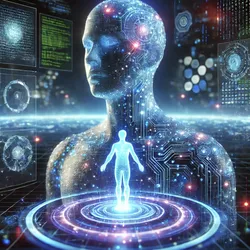 A1-A2Est-il possible de transférer la conscience dans un ordinateur ?Is It Possible to Transfer Consciousness into a Computer?
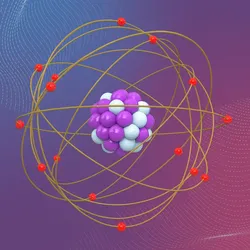 A1-A2Qu'est-ce que l'intrication quantique ?What is Quantum Entanglement?
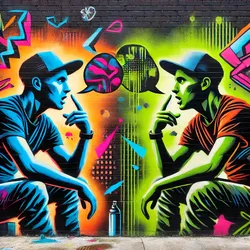 A1-A2Se parler à soi-même : Chemin vers le génie ou premier signe de folie ?Talking to Yourself: Path to Genius or First Step to Madness?
 A1-A2La Zone du Silence au Mexique : les ondes radio disparaissent-elles vraiment là-bas ?The Zone of Silence in Mexico: Do Radio Waves Really Vanish There?
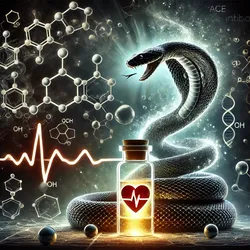 A1-A2Comment le venin de serpent a changé la médecine ?How Snake Venom Has Changed Medicine?
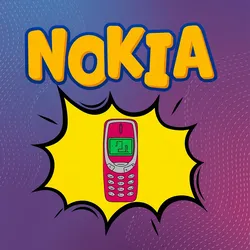 A1-A2Comment Nokia a perdu le marché des smartphonesHow Did Nokia Lose the Smartphone Market
 A1-A2Comment le langage corporel contrôle-t-il notre perception ?How Does Body Language Control Our Perception?
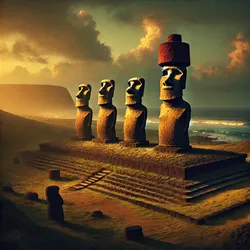 A1-A2Quels secrets les gardiens de pierre de l’Île de Pâques détiennent-ils ?What Secrets Do the Stone Guardians of Easter Island Hold?
 A1-A2Comment le cerveau décide de ce qui a bon goûtHow does the brain decide what tastes good
 A1-A2Qu'est-ce qu'une tempête solaire et pourquoi pourrait-elle nous ramener au XIXe siècle ?What are Solar Storms and Why Could They Send Us Back to the 19th Century?
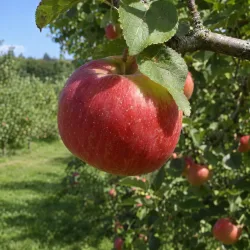 A1-A2Comment les personnes sans imagination perçoivent-elles le monde ?How Do People Without Imagination Perceive the World?
 A1-A2Pourquoi le « Mary Celeste » est-il devenu un navire fantôme ?Why did the "Mary Celeste" become a ghost ship?
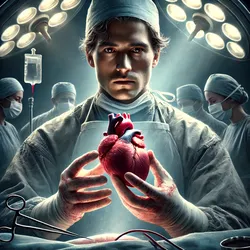 A1-A2Chirurgie cardiaque : quand le risque égale-t-il un miracle ?Heart Surgery: When Does Risk Equal a Miracle?
 A1-A2Comment les voitures apprennent-elles à se conduire toutes seulesHow Do Cars Learn to Drive Themselves
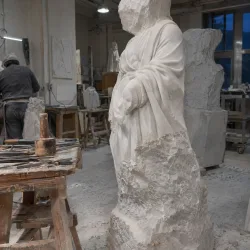 A1-A2Pourquoi les attentes des autres nous contrôlent-elles ?Why Do Others' Expectations Control Us?
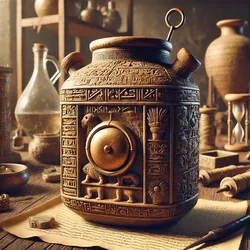 A1-A2Le roi Arthur a-t-il vraiment existé ?Did King Arthur Really Exist?
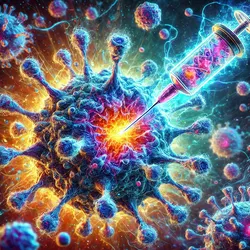 A1-A2Comment un virus est-il devenu une arme contre le cancer ?How Did a Virus Become a Weapon Against Cancer?
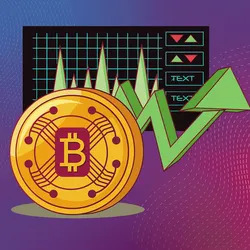 A1-A2Qu'est-ce que la cryptomonnaieWhat is cryptocurrency
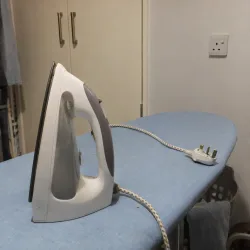 A1-A2Quand l’anxiété devient-elle un piège ?When Does Anxiety Become a Trap?
 A1-A2Le Mystère du Col Dyatlov - Que s'est-il passé avec le groupe de touristes dans les montagnes de l'Oural ?The Mystery of the Dyatlov Pass - What Happened to the Group of Tourists in the Ural Mountains?
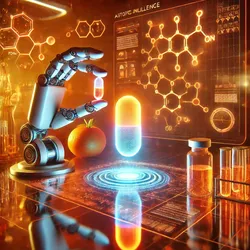 A1-A2Des médicaments, plus vite : comment les réseaux neuronaux aident-ils à trouver de nouveaux médicaments ?Medicines, Faster: How Do Neural Networks Help Find New Drugs?
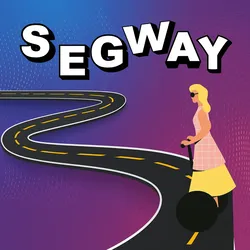 A1-A2Pourquoi le Segway n'est-il pas devenu le transport du futurWhy Didn't Segway Become the Transport of the Future
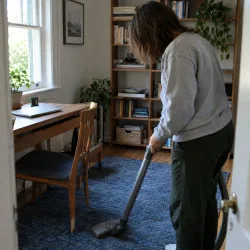 A1-A2Pourquoi remettons-nous les choses à « plus tard » ?Why Do We Put Things Off Until “Later”?
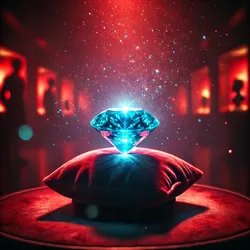 A1-A2La malédiction du diamant Hope - Comment le diamant bleu a-t-il condamné ses propriétaires ?The Curse of the Hope Diamond - How the Blue Diamond Doomed Its Owners?
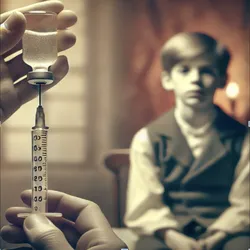 A1-A2L'insuline : La découverte qui a sauvé des millions de viesInsulin: The Discovery That Saved Millions of Lives
 A1-A2Quand les réfrigérateurs deviendront-ils intelligentsWhen Will Refrigerators Get Smart
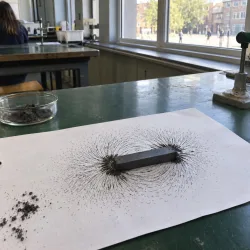 A1-A2Peut-on apprendre à être charismatiqueCan You Learn to Be Charismatic
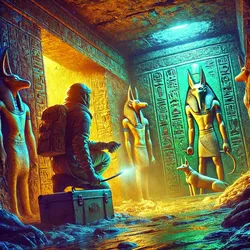 A1-A2La malédiction des pharaons a-t-elle vraiment existé ?Did the Pharaohs' Curse Really Exist?
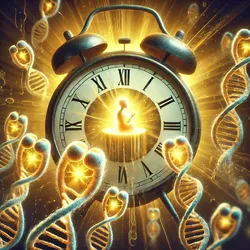 A1-A2Que sont les télomères et comment contrôlent-ils notre jeunesse ?What are telomeres and how do they control our youth?
 A1-A2Qu’est-ce que l’effet papillon et comment change-t-il notre vision de la causalité et de l’ordre ?What is the Butterfly Effect and How Does It Change Our View on Causality and Order?
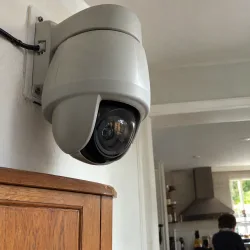 A1-A2Pourquoi aimons-nous regarder la vie des autres ?Why Do We Love Watching Other People's Lives?
 A1-A2Qui était vraiment Mata Hari ?Who Was Mata Hari Really?
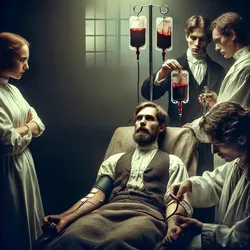 A1-A2Pourquoi les transfusions sanguines tuaient-elles des gens ?Why Did Blood Transfusions Kill People?
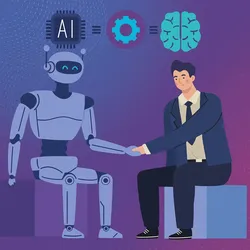 A1-A2Les robots peuvent-ils devenir nos amis ?Can robots become our friends?
 A1-A2Pourquoi y a-t-il autant de « narcissiques » autour de nous ?Why Are There So Many "Narcissists" Around?
 A1-A2Comment les pierres prennent-elles vie dans le désert le plus chaud du monde ?How Do Stones Come Alive in the World's Hottest Desert?
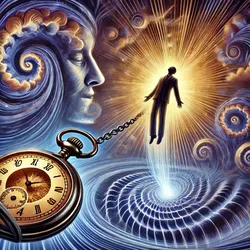 A1-A2Comment fonctionne l’hypnose ? Les secrets de la conscience modifiéeHow Does Hypnosis Work? The Secrets of Altered Consciousness
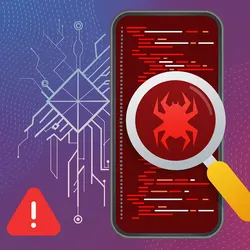 A1-A2Les cyberguerres les plus mystérieuses de l’histoire humaineThe Most Mysterious Cyberwars in Human History
 A1-A2Le « syndrome du sauveur » : Quand aider se retourne contre soiThe “Rescuer Syndrome”: When Helping Backfires
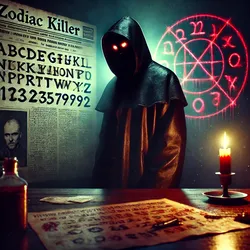 A1-A2Cryptogrammes du Tueur du Zodiaque — Pourquoi ses Chiffres Sont-Ils Toujours Irrésolus ?Zodiac Killer Cryptograms — Why Are His Ciphers Still Unsolved?
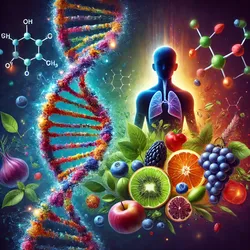 A1-A2Code de la jeunesse : Que manger pour éviter de vieillir ?Code of Youth: What to Eat to Avoid Aging?
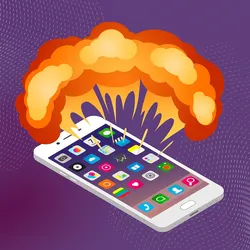 A1-A2Pourquoi le Samsung Galaxy Note 7 a-t-il exploséWhy did the Samsung Galaxy Note 7 explode
 A1-A2Qu'est-ce que l'intelligence émotionnelle ?What is Emotional Intelligence?
 A1-A2Où la grande aviatrice Amelia Earhart a-t-elle disparu ?Where Did the Great Pilot Amelia Earhart Vanish?
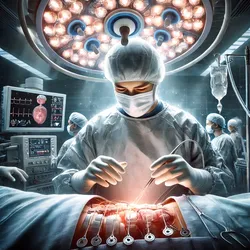 A1-A2Qu’est-ce qui rend la chirurgie surhumaineWhat makes surgery superhuman
 A1-A2Pourquoi un laser est-il plus précis qu’un scalpel et plus rapide qu’Internet ?Why is a laser more precise than a scalpel and faster than the internet?
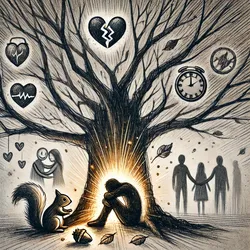 A1-A2La solitude peut-elle nuire à notre santé ?Can Loneliness Ruin Our Health?
 A1-A2L’Île au trésor a-t-elle réellement existé ?Did Treasure Island Exist in Reality?
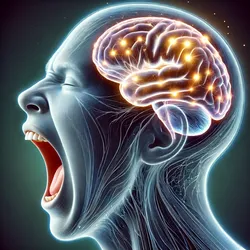 A1-A2Pourquoi bâille-t-on et pourquoi est-ce si contagieux ?Why Do We Yawn and Why Is It So Contagious?
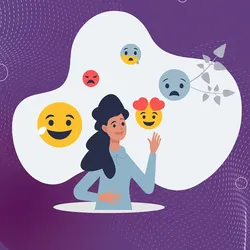 A1-A2Est-il possible de transmettre des émotions par Internet ?Is It Possible to Transmit Emotions Over the Internet?
 A1-A2Pourquoi faisons-nous semblant d'être occupés ?Why Do We Pretend to Be Busy?
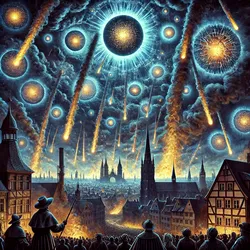 A1-A2Pluie de feu à Nuremberg (1561) - Bataille d'OVNI ou phénomène naturel ?Fire Rain in Nuremberg (1561) - UFO Battle or Natural Phenomenon?
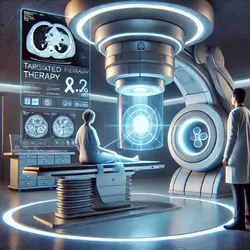 A1-A2Comment les radiations ont-elles appris à sauver des vies ?How Did Radiation Learn to Save Lives?
 A1-A2Pourquoi les algorithmes ont-ils besoin d’erreurs ?Why Do Algorithms Need Errors?
 A1-A2Pourquoi les idées brillantes surgissent-elles la nuit ?Why Do Brilliant Ideas Come at Night?
 A1-A2Quel secret est caché dans le Triangle des Bermudes ?What secret is hidden in the Bermuda Triangle?
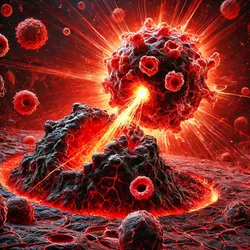 A1-A2Comment fonctionne l'immunitéHow does immunity work
 A1-A2Comment fonctionnent les algorithmes secrets de YouTube ?How Do YouTube’s Secret Algorithms Work?
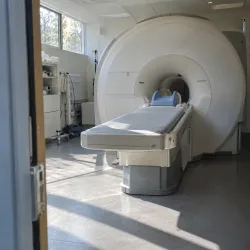 A1-A2La psychologie du mensonge : comment ça fonctionne et comment le détecter ?The Psychology of Lying: How It Works and How to Detect It?
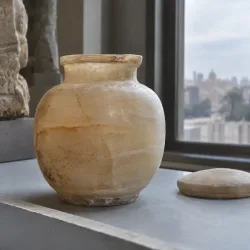 A1-A2Comment les anciens Égyptiens ont « inventé » le BotoxHow the Ancient Egyptians "Invented" Botox
 A1-A2Sommeil et émotions : comment le cerveau traite-t-il les expériences ?Sleep and Emotions: How Does the Brain Process Experiences?
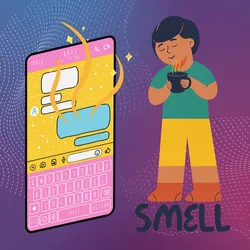 A1-A2Peut-on envoyer des odeurs par Wi-Fi ?Can You Send Smell Over Wi-Fi?
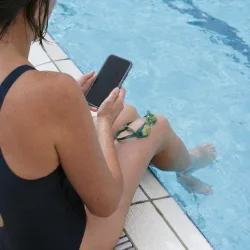 A1-A2FOMO : Pourquoi avons-nous peur de rater quelque chose ?FOMO: Why Are We Afraid of Missing Out?
 A1-A2Où est passé le destroyer de la marine américaineWhere Did the US Navy Destroyer Go
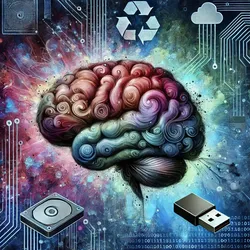 A1-A2Y a-t-il une limite à la mémoire humaine ?Is There a Limit to Human Memory?
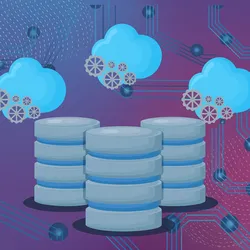 A1-A2Qu'est-ce que le « cloud » et où vos fichiers résident-ils physiquement ?What is the “cloud” and where do your files physically live?
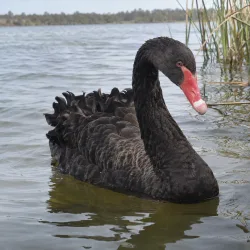 A1-A2Qu'est-ce que l'effet « Cygne Noir » ?What is the “Black Swan” Effect?
 A1-A2Le Mystérieux Crime Sanglant de la « Dahlia Noire » - Un Fait Divers qui a Secoué Hollywood.The Bloody Mystery of the "Black Dahlia" - A Crime That Shocked Hollywood.
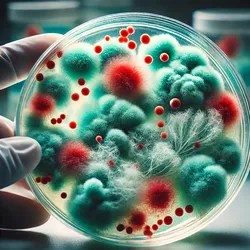 A1-A2Comment le hasard a offert la pénicilline à l’humanitéHow Chance Gave Humanity Penicillin
 A1-A2Pourquoi des milliers de personnes font-elles les mêmes erreursWhy Do Thousands of People Make the Same Mistakes
 A1-A2Lincoln et Kennedy ont-ils vraiment connu le même destin ?Did Lincoln and Kennedy Really Share the Same Fate?
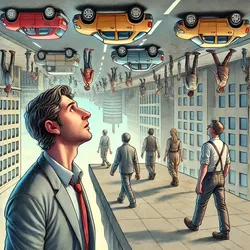 A1-A2Comment le cerveau décide-t-il de ce qui est en haut et de ce qui est en bas ?How Does the Brain Decide What's Up and What's Down?
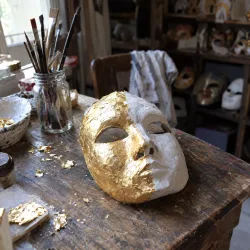 A1-A2Qu’est-ce que le « syndrome de l’imposteur » ?What is "Impostor Syndrome"?
 A1-A2Comment une Tea Party ratée à Boston a conduit à une révolutionHow a Failed Tea Party in Boston Led to a Revolution
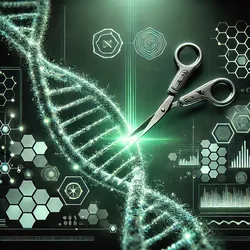 A1-A2Comment CRISPR change l’ADN et l’avenir de l’humanité ?How CRISPR is Changing DNA and the Future of Humanity?
 A1-A2Pourquoi les câlins sont le meilleur remède contre le stressWhy Hugs Are the Best Medicine for Stress
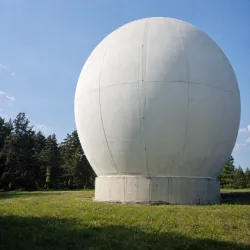 A1-A2Comment un homme a sauvé le monde d'une guerre nucléaireHow One Man Saved the World from Nuclear War
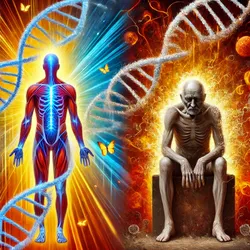 A1-A2Comment le stress modifie l'ADN et accélère le vieillissementHow Stress Changes DNA and Accelerates Aging
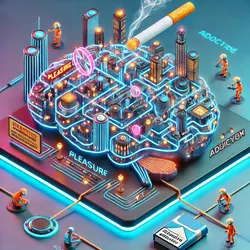 A1-A2Comment la nicotine contrôle-t-elle votre cerveau ?How Does Nicotine Control Your Brain?
 A1-A2Comment des pâtisseries ont-elles accidentellement changé le destin de tout un pays ?How Did Pastries Accidentally Change the Fate of an Entire Country?
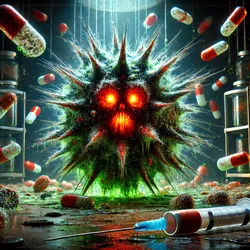 A1-A2Quand les antibiotiques cesseront-ils de fonctionnerWhen Will Antibiotics Stop Working
 A1-A2Pourquoi succombons-nous aux manipulations, même lorsque nous en sommes conscients ?Why Do We Succumb to Manipulations, Even When We Know About Them?
 A1-A2Qui se cache derrière le masque de Banksy ?Who’s Hiding Behind Banksy’s Mask?
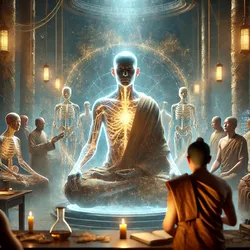 A1-A2Comment la méditation transforme-t-elle notre corps et notre esprit ?How does meditation change our body and mind?
 A1-A2Pourquoi le sport nous rend-il plus heureux ?Why Do Sports Make Us Happier?
 A1-A2Pourquoi Toute une Ville Est-Elle Soudain Devenue FolleWhy Did an Entire Town Suddenly Go Mad
 A1-A2Est-il possible de vivre sans cœur ?Is it Possible to Live Without a Heart?
 A1-A2Comment Cooper a détourné un avion et s'est volatilisé sans laisser de traceHow Cooper Hijacked a Plane and Vanished Without a Trace
 A1-A2Les dents peuvent-elles pousser dans d'autres parties de notre corps ?Can Teeth Grow in Other Parts of Our Body?
 A1-A2Pourquoi Theranos n'est-il pas devenu le prochain AppleWhy Didn't Theranos Become the Next Apple
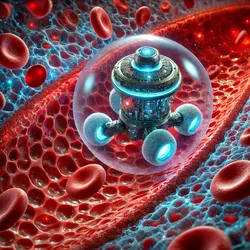 A1-A2Des nanorobots contre les maladies : comment ça marche ?Nanorobots Against Diseases: How Does It Work?
 A1-A2Pourquoi les Américains avaient-ils peur des tomates ?Why Were Americans Afraid of Tomatoes?
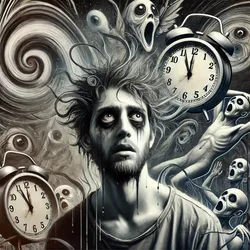 A1-A2Pouvez-vous survivre sans sommeilCan You Survive Without Sleep
 A1-A2Quel lien existe-t-il entre Newton et la chute des pommes ?How are Newton and Falling Apples Related?
 A1-A2À quoi ressemble le son du silence absolu ?What Does Absolute Silence Sound Like?
 A1-A2À quoi le baron de la drogue Pablo Escobar a-t-il dépensé ses milliards ?What Did Drug Lord Pablo Escobar Spend His Billions On?
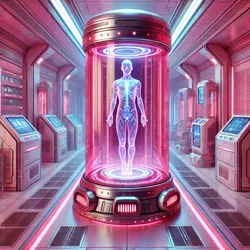 A1-A2La cryonie : Billet pour l’immortalité ou voie sans issue ?Cryonics: Ticket to Immortality or Road to Nowhere?
 A1-A2Comment de faux horoscopes ont sapé le moral naziHow Fake Horoscopes Undermined the Nazi Spirit
 A1-A2Pourquoi le froid nous rend-il plus sains ?Why Does Cold Make Us Healthier?
 A1-A2Comment les messages étaient-ils chiffrés au Moyen Âge ?How Were Messages Encrypted in the Middle Ages?
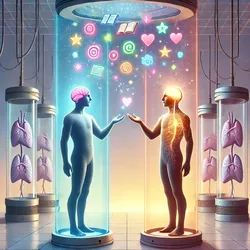 A1-A2Le cerveau humain peut-il être transplanté ?Can a Human's Brain Be Transplanted?
 A1-A2Des gens ont-ils vraiment été exécutés par chatouilles ?Were People Really Executed by Tickling?
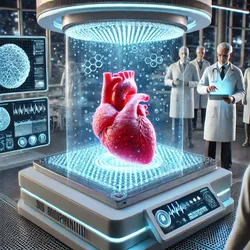 A1-A2Est-il possible d’imprimer des organes avec une imprimante 3D ?Is it Possible to Print Organs on a 3D Printer?
 A1-A2Quels secrets d’ingénierie l’histoire nous a-t-elle cachés ?What engineering secrets did history hide from us?
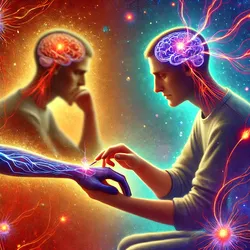 A1-A2Est-il possible de ressentir physiquement la douleur d’autruiIs It Possible to Physically Feel Someone Else's Pain
 A1-A2Qu'est-ce qui ne va pas avec la « Joconde » ?What's Wrong with the “Mona Lisa”?
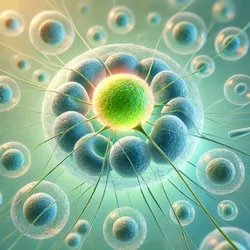 A1-A2Les cellules souches peuvent-elles arrêter le vieillissement ?Can Stem Cells Stop Aging?
 A1-A2La peste dansante de 1518 : Quand la folie devient contagieuseThe Dancing Plague of 1518: When Madness Becomes Contagious
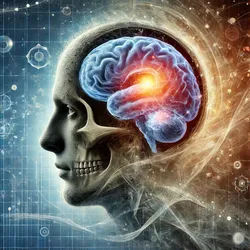 A1-A2Est-il possible de vivre sans la moitié du cerveau ?Is It Possible to Live Without Half of the Brain?
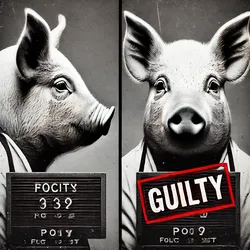 A1-A2Pourquoi les animaux étaient-ils jugés au Moyen Âge ?Why Were Animals Tried in the Middle Ages?
 A1-A2Pourquoi les allergies au soleil surviennent-elles ?Why Do Sun Allergies Occur?
 A1-A2Pourquoi vieillissons-nous et est-ce inévitable ?Why Do We Age and Is It Inevitable?


Read French stories and books with translation
It's more convenient there: every story and book is in one place, and the app remembers where you stopped in each one.
- Parallel translation A translation under every sentence, and any word explained with one tap.
- Native audio with shadowing Each word is highlighted as the story is read aloud. Hold a sentence's play button to hear it several times and say it along with the voice.
- 12 different exercises to learn new words Words you save while reading come back in flashcards, listening, spelling and gap-fill exercises until you know them.
What Lingo7 users are saying
Recent reviews from the App Store and Google Play, quoted the way they were written.
- Pasha Ahsap
A very useful app for learning a language: you can translate every unfamiliar word with a tap right away and save it.
- Esteban Velarde
amazing app very useful Me encantó 🙌🏻☺️
- Айгуль Оспанова
great app
-
Great app and really helpful! ⭐️
I really enjoyed using the app! It’s very helpful, easy to use, and I really liked the way everything is organized. I definitely enjoyed my experience and would recommend it to others. 😊
- A Rimmer
I can’t recommend this app enough! I use it to refine my Spanish vocabulary and learn Bulgarian, and I love that you can keep multiple languages and their word lists separate. You can read your own books with instant translation, save new words and use spaced repetition to remember them. The pictures really help words stick, and there are no distracting animations or gimmicky rewards. Easily the best language app I’ve used!
- Наталка С.
The best. You can learn words. You can listen to speech with lively intonation. The texts are very interesting. Adapted and original: first I read the adaptation, then switch to the original. You can upload your own book, translate it, and listen and read at the same time.
- Caspian Sutherland
Best app I've ever used
- Viktor
The app is good, no doubt about it. I recommend it. I did not even expect this. Lots of literature for every taste. Read the simplified version or the original. You build your own dictionary. You take quizzes, very original ones. You can have a conversation on different topics. Super! And not expensive.
- Mayur Luhadia
I have already had a yearly subscription for LINGO 7. This app is an excellent resource for anyone looking to improve their English skills. The Hindi translations and detailed explanations provided for each story are incredibly helpful and effective for learners like me.
-
Amazing app! For reading lovers this is an incredible world of different languages. I recommend it! Delighted!
The app works great! Special thanks for the speed selection! I really liked that you can switch languages. Listen to a book in Russian and read the English translation right there, or listen in English and read the Russian translation.
- Dmitry Gavrilov
The idea of the app is great, it's very useful, and I especially love the Library and saving words to the dictionary in a basic form. I would say a big thanks to the developer, who made some fixes and implementations by the mine propositions!
- Дмитрий Федешов
I studied French at university and dropped it after graduating. A couple of years later I tried watching a film without subtitles and realised my level had slipped. I started reading in the app bit by bit, simple stories at first. Now I read novels and understand about 80 percent without hints. The audio helped a lot too, my listening got better.
- Antonino Venticinque
It is the best.
- Полина Козлова
My English was B1 and it felt like I was stuck. Courses were boring, series with subtitles did not help. I started reading books in the app, and in six months my vocabulary roughly tripled. Now I read articles and documentation without translation. The main thing is that you learn not abstract words but the ones that actually come up in texts.
-
👍🏻
Norwegian is hard to find anywhere. Here there are both texts and audio. I listen to the narration on my way to work and read in the evening. It is handy that you can save words and review them later, they do not get lost.
-
Very convenient for learning
I read in Spanish before bed. The translation is right there, the audio is good. I can feel the progress.
- shanabbasi
I've tried several language learning apps, and Lingo7 stands out because of its combination of reading, audio, and flashcards. The parallel reading feature is especially helpful for understanding new words in context. The app is easy to navigate and makes daily practice feel productive rather than boring. A great tool for improving language skills step by step.
- Nour Abo elmagd
Georgian! I did not expect to find it. There are texts, the translation works, so does the audio. Thank you.
-
Good parallel reading app
A very convenient app for parallel reading. I started reading books and articles in the original without constantly translating every word. New words stick much more easily, and in a short time I began to understand spoken English noticeably better. The interface is simple and really motivates you to read every day.
- Кирилл Шапорев
I started learning Turkish recently. The texts are interesting, the translation is clear. I like that the audio plays in sync, so you hear right away how to pronounce things.
- Tatyana Naumova
The app helped me a lot with learning Serbian
- Савелий Кулаков
Great app! I have tried others, but the approach here is more interesting. I have been using it for a little over a week and it really helps. The main thing is to make an effort yourself. There were some unstable moments, but everything was fixed quickly. A huge plus is the very responsive developer.
- konstantin
Convenient for German. You read, save words, review them. Everything is simple, nothing extra.
- Randy S
Just what I was looking for. Easy books to read to supplement vocabulary learned.
- Kristina Emad
Great app, convenient interface and pleasant design. Everything works fast and without problems.
- Artem Stavilov
My child reads English fairy tales with the translation and asks for more. Better than any textbook.
- Ирина Новицкая
A great app for learning foreign languages.
- Zeynep Ornek
I use the audio reading feature in Lingo7, and it has been a real breakthrough for me. The audio tracks are clear and well synchronised, which makes it easy to follow the text and improve pronunciation. The choice of texts is varied and engaging, covering different topics and genres. I like being able to adjust the speed and repeat fragments, which really helps me focus on difficult words.
- Макс Рахвалов
I have always wanted to learn German, and in this app everything is much more accessible and clearer than in similar ones. I have started with the flashcards for now, and I will move on to reading and audio once I have learned enough words. Overall the app is a 10 out of 10.
-
😉
I am learning Spanish for a move abroad. The audio is very high quality and sounds natural. The parallel text is convenient.
- Katreena Katreena
Installed it out of curiosity, and now I have been using it every day for 3 months. I am learning French. What won me over: real books, not made-up dialogues. Saving words plus review, and the vocabulary grows before your eyes.
-
I like it!
I moved to Czechia a year ago and needed to learn Czech quickly for work. Not many apps have it, I was surprised. I read texts with the translation, and the flashcards helped me memorise words. Now I talk at work and read documents. Thanks to the developers.
- Юлия Близнюк
I like that there is no gamification and no silly streaks here. You just read a book and learn. Like an adult. Thank you for the serious approach to language learning.
-
Review
I am 63, and we go to Italy every year. I read a little before bed. The stories are interesting and the translation is right there, so you do not give up. The interface is simple. After 4 months I actually talked to a waiter in Rome. He was surprised!
- Tala Tolstoy
I have been learning Turkish for six months. I tried different apps before, and they were all grammar drills. Here you just read an interesting text with the translation right there. It sticks by itself. The most natural way to learn a language.
- Nadezhda Nadezhda
I am hooked on this app! The library is huge: classics, retellings, stories for different levels. The main difference is that you actually READ instead of just doing exercises. It feels like real studying.
- Rosita Rose
I needed Portuguese to work with a team from Brazil. Reading and audio at the same time is very effective, you train both listening and reading comprehension. The spaced repetition cards helped me build vocabulary quickly. After 6 weeks I could already follow meetings.
-
👍
I have tried every language app out there. What sets this one apart is parallel reading. Polyglots have learned this way for centuries, only here it is all in a convenient app. Tap a word and it gets saved, then you get quizzed at the right intervals. Much more natural than cramming flashcards in Anki.
- Евгения Н
a great service for practising English. you can pick a book by your level, the library is big enough for that. There are audio and text formats. The subscription is very reasonably priced.
- Pixel
I like it! It supports Serbian, five stars for that!
- Denis Nefedov
I have been looking for an app like this for a long time)
- Вася Козлодоев
the idea and the execution get a 5+. There is always something to improve, but right now this is the only app with Serbian books. well done! thank you!
How to read with a translation
- Read the sentence in French first and work out the meaning from the words you know. Only then open the translation and compare.
- Press Listen and follow the highlighted words. Listen to the same story twice: once with the translation open, once without it. Then play it a third time and say the sentences along with the voice, a beat behind it (shadowing).
- Pick the level where you understand about 80 percent without the translation. Too easy is fine; too hard turns reading into decoding. Read a little every day.
Questions about these texts
They are written for Lingo7 learners: short stories on history, nature, science, technology, philosophy and everyday life, about five minutes of reading each. Every story comes in two versions, adapted for A1-A2 and the original for B1-B2, and is translated sentence by sentence.
Yes, texts with a parallel translation, sentence by sentence. The translation is not in a second column: it sits right under each sentence in French, so your eyes stay on the original and drop to the translation only when needed. A tap on a word shows which word of the translation it matches. In the full story you can hide the translations and open one with a tap on its sentence, and pick the translation language: any of the other 49 Lingo7 languages.
Sentence by sentence and close to the original, so you can match the words, but written as natural sentences, not word for word. Where the two conflict, the meaning wins over the word order.
Yes. In the full story set the translation to "On tap", translate a sentence yourself, then tap it to compare with ours.
No. This page shows the first page of one story; the whole stories are in the Lingo7 app, where they work offline once opened and every word can be tapped for a translation.
This page is free. In Lingo7 you open any story and read its first page for free; a subscription unlocks all the stories, the audio and the word practice.
Press Listen and the story is read aloud in French by a native voice, with the current word highlighted. The recording is made from this exact text, so you can pause and reread any sentence.
Yes. Every story has an adapted version for A1-A2, rewritten in simpler language. Start there, and when it reads easily, switch the same story to the original for B1-B2.
Read the adapted example above without the translation. If you understand most of it and miss only a few words, start there. If it feels too easy, switch to the original. The adapted version is for A1-A2, the original for B1-B2, and after the stories come the books.