Armenian texts by level with translation
Short stories in Armenian for learners, about five minutes of reading each, with a translation under every sentence and audio narrated by native speakers. Every story comes in two versions: adapted for A1-A2 and the original for B1-B2.
Stories in Armenian
The adapted version: short sentences and the most common words.
The original story, as it is written.
Five minutes of reading each, a translation under every sentence, audio with the current word highlighted.
 A1-A2Վոյնիչի ձեռագիրըThe Voynich Manuscript
 A1-A2Ինչո՞ւ ենք մենք գլուխ կորցնում սիրուցWhy Do We Lose Our Heads Over Love?
 A1-A2Ինչպե՞ս է գործում պլացեբոյի էֆեկտըHow Does the Placebo Effect Work?
 A1-A2Ինչպե՞ս է աշխատում Wi-Fi-ըHow does Wi-Fi work
 A1-A2Ինչն է մեզ դարձնում «մեզ»What makes us "us"
 A1-A2Ինչո՞ւ ենք մենք այդքան սիրում սելֆի անելWhy Do We Love Taking Selfies So Much?
 A1-A2Ինչպե՞ս է գիրքը կանխագուշակել «Տիտանիկի» խորտակումըHow Did a Book Predict the Sinking of the Titanic?
 A1-A2Ի՞նչ է լինում, եթե խխունջին սուրճ տաս։What happens if you give coffee to a snail?
 A1-A2Ինչո՞ւ սպիները չեն արևահարվումWhy Don't Scars Tan?
 A1-A2Հնարավո՞ր է ստեղծել բացարձակապես անվտանգ գաղտնաբառIs It Possible to Create an Absolutely Secure Password?
 A1-A2Ո՞ւմ է մեջբերում արհեստական բանականությունըWhom Does the Artificial Intelligence Quote?
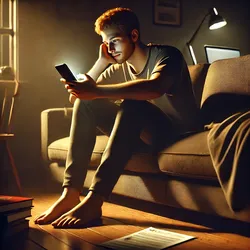 A1-A2Հասարակական ցանցերի հետաքրքիր աշխարհը. Փրկություն, թե մտքի թակարդThe Fascinating World of Social Media: A Rescue or a Trap for the Mind?
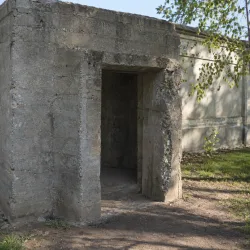 A1-A2Ի՞նչ է թաքցնում Հիտլերի մահվան ամսաթիվըWhat Does the Date of Hitler’s Death Conceal?
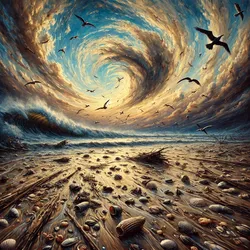 A1-A2Ինչպե՞ս են կենդանիները զգում աղետները։How do animals sense disasters?
 A1-A2Ինչո՞ւ է տոմատի հյութն օդում ավելի համեղWhy Does Tomato Juice Taste Better in the Sky?
 A1-A2Ինչո՞ւ Պիքսելները Փոքր Քառակուսիներ Չեն. Պատկերի Անատոմիան և Իրականության ԻլյուզիանWhy Pixels Aren't Little Squares: The Anatomy of an Image and the Illusion of Reality
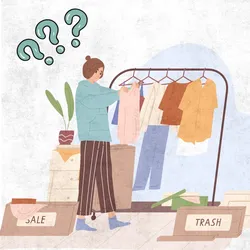 A1-A2Քանի՞ բան է անհրաժեշտ երջանկության համարHow Many Things Do You Need for Happiness?
 A1-A2Երբ մեր անունը որոշում է մեզ համարWhen Our Name Decides for Us
 A1-A2Ինչպե՞ս մեկ մարդ փրկվեց և՛ Հիրոսիմայում, և՛ ՆագասակիումHow Did One Man Survive Both Hiroshima and Nagasaki?
 A1-A2Հնարավո՞ր է բուրգեր աճեցնել լաբորատորիայումIs It Possible to Grow a Burger in a Laboratory?
 A1-A2Ինչո՞ւ ենք լաց լինում — և ինչո՞ւ է դա օգտակարWhy Do We Cry — and Why Is It Beneficial?
 A1-A2Ի՞նչ է անում արբանյակը, երբ ձանձրանում էWhat Does a Satellite Do When It's Bored?
 A1-A2Ի՞նչ ընդհանրություն ունենք մենք հին հույների հետWhat Do We Have in Common with the Ancient Greeks?
 A1-A2Որտեղի՞ց են առաջանում ամենատարօրինակ ֆոբիաներըWhere Do the Strangest Phobias Come From?
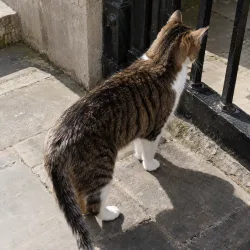 A1-A2Ինչպե՞ս կատուն աշխատանքի անցավ Մեծ Բրիտանիայի կառավարությունումHow Did a Cat Get a Job in the British Government?
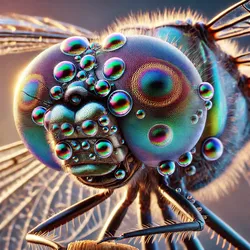 A1-A2Ինչո՞ւ է ճպուռին յուրաքանչյուր աչքում անհրաժեշտ 30,000 ոսպնյակWhy Does a Dragonfly Need 30,000 Lenses in Each Eye?
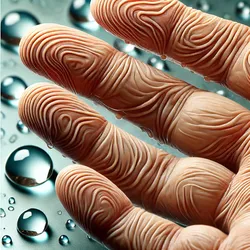 A1-A2Ինչո՞ւ են մատները կնճռոտվում ջրումWhy Do Fingers Wrinkle in Water?
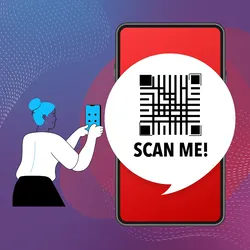 A1-A2Որտեղի՞ց է առաջացել QR կոդը և ինչո՞ւ այն այժմ ամենուր էWhere Did the QR Code Come From—and Why Is It Everywhere Now?
 A1-A2Վերահսկո՞ւմ ենք մեր կյանքըAre We in Control of Our Own Lives?
 A1-A2ԴԱՀԳ. Զուգահեռների համաճարակ, թե՞ պարզապես նորաձևությունADHD: A Distraction Epidemic or Just a Fad?
 A1-A2Ինչո՞ւ Coca-Cola-ն մարշալ Ժուկովի համար անգույն կոլա պատրաստեցWhy Did Coca-Cola Make a Colorless Cola for Marshal Zhukov?
 A1-A2Կարո՞ղ են բույսերն ունենալ գիտակցության պարզունակ ձև։Can Plants Possess a Primitive Form of Consciousness?
 A1-A2Ինչպես ենք մենք «զգում» ժամանակը և ինչու է այն տարիքի հետ արագանումHow We "Feel" Time and Why It Speeds Up with Age
 A1-A2Ինչպե՞ս են գաջեթները գուշակում ձեր ցանկությունները։How do gadgets know what you want?
 A1-A2Իսկ եթե այս աշխարհում ամեն ինչ անիմաստ էWhat if everything in this world is meaningless?
 A1-A2Ինչպե՞ս է մեր ուղեղը ստեղծում կեղծ հիշողություններHow Does Our Brain Generate False Memories?
 A1-A2Ինչո՞ւ Առաջին Օլիմպիական Խաղերը ՉհաջողվեցինWhy Were the First Olympic Games a Failure?
 A1-A2Կարո՞ղ են դելֆինները խոսել։Can Dolphins Talk?
 A1-A2Ինչո՞ւ է մեր արյունը կարմիր, բայց երակները՝ կապույտWhy Is Our Blood Red, But Veins Blue?
 A1-A2Ինչո՞ւ է աշխարհին պետք քվանտային համակարգիչըWhy Does the World Need a Quantum Computer?
 A1-A2Ինչո՞ւ ենք սիրում կանոնները խախտելWhy Do We Love Breaking Rules?
 A1-A2Ինչո՞ւ ենք հավատում նախանշաններինWhy Do We Believe in Superstitions?
 A1-A2Ինչպե՞ս է Մարգարիտա պիցցան դարձել Իտալիայի խորհրդանիշը։How Did the Margherita Pizza Become a Symbol of Italy?
 A1-A2Ինչո՞ւ են դանդաղաշարժները այդքան դանդաղWhy Are Sloths So Slow?
 A1-A2Ինչո՞ւ չենք հիշում մեր կյանքի վաղ տարիներըWhy Don't We Remember the Early Years of Our Lives?
 A1-A2Հիպերձայնային զենք՝ ապագայի զենք, թե ներկայի սխալHypersonics: Weapon of the Future or Mistake of the Present?
 A1-A2Ինչո՞ւ Ես Քեզ Նման Չես, Երբ Քաղցած ԵսWhy Aren't You You When You're Hungry
 A1-A2Ինչո՞ւ է առաջանում դեժավյունWhy Does Déjà Vu Occur?
 A1-A2Ինչպե՞ս Թոմաս Էդիսոնը փնտրում էր մահացածների ձայներըHow Did Thomas Edison Search for the Voices of the Dead?
 A1-A2Կենդանիներն իրո՞ք զգում են ամոթ և նախանձDo Animals Really Feel Shame and Jealousy?
 A1-A2Ինչո՞ւ չենք կարող ինքներս մեզ խտղտելWhy Can't We Tickle Ourselves?
 A1-A2Ինչո՞ւ է ժամանակը միայն առաջ շարժվում — և ի՞նչ կապ ունի էնտրոպիան դրա հետWhy Does Time Only Move Forward — and What Does Entropy Have to Do with It?
 A1-A2Ինչպե՞ս Է Իմանուիլ Կանտը Պատասխանելու Reddit-ի ՀարցերինHow Would Immanuel Kant Answer Questions from Reddit?
 A1-A2Ինչո՞ւ են մարդիկ բամբասումWhy Do People Gossip?
 A1-A2Ինչպե՞ս էին մարդիկ ժամանակին արթնանում զարթուցիչի գյուտից առաջHow Did People Wake Up on Time Before the Invention of the Alarm Clock?
 A1-A2Ինչպես են կենդանիները խաբում սիրո համար. Սեր, խաբեություն և էվոլյուցիաHow Animals Deceive for Love: Love, Deception, and Evolution
 A1-A2Ինչպե՞ս են պատահաբար հայտնաբերվել հակադեպրեսանտներըHow Antidepressants Were Accidentally Invented?
 A1-A2Հնարավո՞ր է ստեղծել հավերժական մարտկոց։Is it possible to create a perpetual battery?
 A1-A2Ինչպես է ճշմարտությունը մեզ տանջումHow Truth Makes Us Suffer
 A1-A2Ինչո՞ւ է վախը հաճույք պատճառումWhy Does Fear Bring Pleasure?
 A1-A2Ինչո՞ւ ենք մենք ձեռք սեղմումWhy Do We Shake Hands?
 A1-A2Ինչո՞ւ են որոշ կենդանի էակներ անմահWhy do some living creatures possess immortality?
 A1-A2Ինչո՞ւ է կոֆեինը մեզ ավելի խելացի դարձնումWhy Does Caffeine Make Us Smarter?
 A1-A2Մեկ օր առանց GPS. Ի՞նչ կլինի, եթե արբանյակները լռենOne Day Without GPS: What Happens If Satellites Go Silent?
 A1-A2Համոզված եք, որ մարդ եք?Are You Sure You Are a Human?
 A1-A2Ձայնի նեյրաքիմիա. ինչպե՞ս է երաժշտությունն ազդում տրամադրության վրա։Neurochemistry of Sound: How Music Affects Mood?
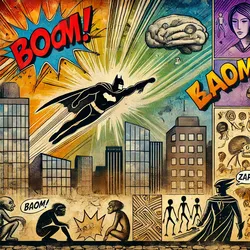 A1-A2Ինչպե՞ս են առաջացել կոմիքսներըHow Did Comics Originate?
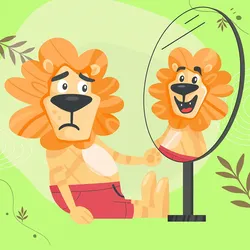 A1-A2Ո՞ր կենդանիներն են ընդունակ ինքնաճանաչմանWhat animals are capable of self-awareness?
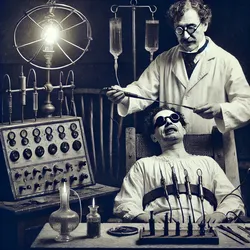 A1-A2Էլեկտրահարված, հերոին և լոբոտոմիա. ինչպե՞ս էին բուժում հիվանդությունները 100 տարի առաջElectroshock, Heroin, and Lobotomy: How Were Illnesses Treated 100 Years Ago?
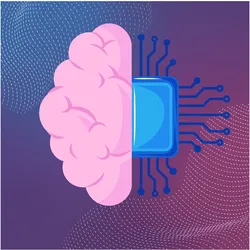 A1-A2Արդյո՞ք Նեյրոնային Ցանցերն Իսկապես Մտածում ենDo Neural Networks Really Think?
 A1-A2Իսկապե՞ս իրական է մեր իրականությունըIs Our Reality Real?
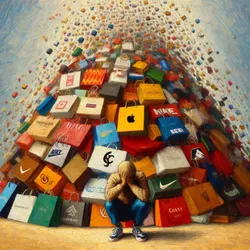 A1-A2Իսկապե՞ս դու ես ընտրում, թե ինչ ես գնումDo You Really Choose What You Buy?
 A1-A2Ինչո՞ւ ենք մոմերը հանգցնում ծննդյան տորթի վրաWhy Do We Blow Out Candles on Birthday Cakes?
 A1-A2Ինչո՞ւ է անապատում ձյուն գալիսWhy does it snow in the desert?
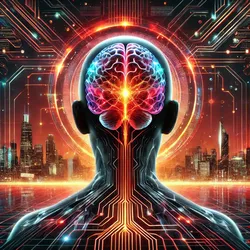 A1-A2Ինչո՞ւ է Էլոն Մասկը ցանկանում ուղեղը միացնել համակարգչինWhy Does Elon Musk Want to Connect the Brain to a Computer?
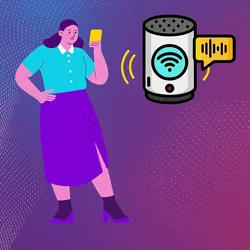 A1-A2Ինչպե՞ս են ձայնային օգնականները մեզ հասկանումHow Do Voice Assistants Understand Us?
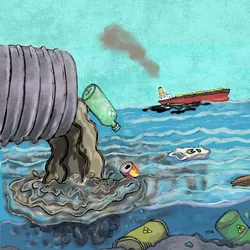 A1-A2Ի՞նչ ենք թողնելու մեր հետևիցWhat Will We Leave Behind?
 A1-A2Ինչո՞ւ է ժպիտը լավագույն հակադեպրեսանտըWhy Smile is the Best Antidepressant?
 A1-A2Ինչո՞ւ Էյնշտեյնը Գուլպա Չէր ՀագնումWhy Didn't Einstein Wear Socks?
 A1-A2Ինչպե՞ս Չեռնոբիլը վերածվեց բնական արգելոցիHow Did Chernobyl Turn into a Nature Reserve?
 A1-A2Ինչո՞ւ ենք մենք մոխրագույն դառնում — և արդյո՞ք դա կարելի է փոխելWhy Do We Turn Gray — And Can It Be Changed?
 A1-A2Ինչպե՞ս է աշխատում օդանավի ավտոպիլոտը։How Does Autopilot Work in an Airplane?
 A1-A2Ի՞նչ է նշանակում լինել լավ մարդ այսօրWhat does it mean to be a good person today?
 A1-A2Ինչո՞ւ ենք երբեմն մոռանում, թե ինչու ենք մտել սենյակWhy Do We Sometimes Forget Why We Entered a Room?
 A1-A2Ինչո՞ւ Վան Գոգը կտրեց իր ականջըWhy Did Van Gogh Cut Off His Ear?
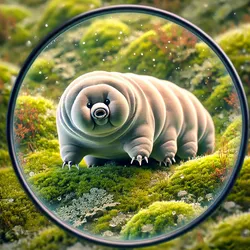 A1-A2Տարդիգրադներ. Տիեզերքի մանրակրկիտ նվաճողներTardigrades: Tiny Conquerors of the Universe
 A1-A2Հնարավո՞ր է ցավը վերահսկել մտքի ուժովIs it possible to control pain with the power of the mind?
 A1-A2Ինչպե՞ս են աշխատում Ինստագրամի ֆիլտրերը։How do Instagram filters work?
 A1-A2Ինչի՞ց ենք վախենում և ինչո՞ւ է մեզ վախը պետքWhat Are We Afraid Of — and Why Do We Need Fear?
 A1-A2Ինչո՞ւ է այդքան դժվար վատ սովորույթներից ազատվելWhy is it so hard to break bad habits?
 A1-A2Ինչո՞ւ էին տղամարդիկ Հին Չինաստանում երկար եղունգներ պահումWhy Did Men in Ancient China Wear Long Nails?
 A1-A2Կարո՞ղ են սինթետիկ բակտերիաները փրկել մոլորակը։Can Synthetic Bacteria Save the Planet?
 A1-A2Կարո՞ղ ես վախից մահանալCan You Die of Fear?
 A1-A2Ինչպե՞ս են ռոբոտները սովորում ժպտալ և կարեկցելHow Do Robots Learn to Smile and Empathize?
 A1-A2Ի՞նչն է մարդուն երջանիկ դարձնումWhat makes a person happy?
 A1-A2Ինչպե՞ս է ուղեղը որոշում, թե ինչ պահել հիշողության մեջHow Does the Brain Decide What to Keep in Memory?
 A1-A2Ինչո՞ւ էր ֆուտբոլն արգելված ԱնգլիայումWhy Was Football Banned in England?
 A1-A2Կարո՞ղ են բույսերը խոսելCan Plants Talk?
 A1-A2Ինչպե՞ս են կենսաբանական ժամացույցները վերահսկում մեր կյանքը։How Do Biological Clocks Control Our Lives?
 A1-A2Ինչպե՞ս է աշխատում էլեկտրական մեքենանHow Does an Electric Car Work
 A1-A2Ինչո՞ւ է լռությունը վախեցնումWhy is Silence Scary
 A1-A2Ինչպե՞ս են գույներն ազդում ձեր տրամադրության վրաHow Do Colors Affect Your Mood?
 A1-A2Ինչպե՞ս ջինսերը դարձան ազատության խորհրդանիշ։How Jeans Became a Symbol of Freedom?
 A1-A2Կարո՞ղ է Գրետա Թունբերգն իսկապես փրկել մոլորակըCan Greta Thunberg Really Save the Planet?
 A1-A2ՎԻՉ պատվաստանյութ. Որքա՞ն ենք մոտենումHIV Vaccine: How Close Are We?
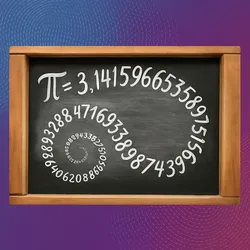 A1-A2Ինչո՞ւ է π թիվը անվերջWhy Does the Number π Never End?
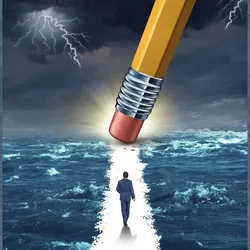 A1-A2Ինչպե՞ս կփոխեիք ձեր «Գրունդհոգի օրը»How Would You Change Your "Groundhog Day"?
 A1-A2Ինչո՞ւ ենք ամբոխում գլուխ կորցնումWhy Do We Lose Our Heads in a Crowd?
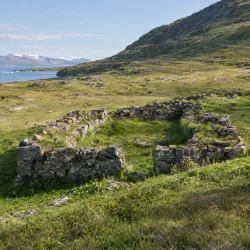 A1-A2Ո՞ւր գնացին Գրենլանդիայի վիկինգներըWhere Did the Vikings of Greenland Go?
 A1-A2Ինչո՞ւ են կատուները մռռումWhy Do Cats Purr?
 A1-A2Ինչպե՞ս է ուղեղը որոշում, թե ինչ ենք մենք զգումHow Does the Brain Decide What We Feel?
 A1-A2Ինչո՞ւ է մարդկային ուղեղը դեռ ավելի հզոր, քան նեյրոնային ցանցերըWhy Is the Human Brain Still More Powerful Than Neural Networks?
 A1-A2Ինչո՞ւ «Ես չեմ սիրում մարդկանց»Why "I Don't Like People"?
 A1-A2Ո՞րն է ինտրովերտների ուժըWhat is the Strength of Introverts?
 A1-A2Ինչպե՞ս են ծովահենները հիմնադրել ժողովրդավարությունը։How Pirates Invented Democracy?
 A1-A2Կարո՞ղ են ձկները «խեղդվել» ջրումCan Fish "Drown" Underwater
 A1-A2Հնարավո՞ր է մտքի ուժով կառավարել համակարգիչըIs it possible to control a computer with the power of thought?
 A1-A2Ինչո՞ւ Հիպերլուպը Դեռ Չի ԿառուցվելWhy Hasn’t Hyperloop Been Built Yet?
 A1-A2Կարո՞ղ ենք իսկապես հասկանալ մեկ ուրիշինCan We Truly Understand Another Person?
 A1-A2Ինչո՞ւ ենք ամաչում, երբ մեզ ոչ ոք չի տեսնումWhy Do We Feel Shame Even When No One is Watching?
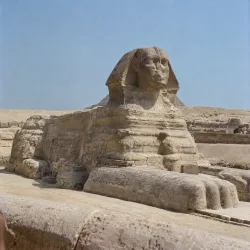 A1-A2Ինչո՞ւ է Սֆինքսի արձանն առանց քթիWhy Does the Statue of the Sphinx Have No Nose?
 A1-A2Ինչպե՞ս են շները հասկանում մեզ առանց բառերիHow Do Dogs Understand Us Without Words
 A1-A2Վախ չունեցող մարդիկ. պարգև, թե՞ անեծքPeople Without Fear: A Gift or a Curse?
 A1-A2Ինչպե՞ս տպել օդանավ 3D տպիչով։How to Print an Airplane on a 3D Printer?
 A1-A2Հնարավո՞ր է արդյոք լինել խորիմաստ մարդ մեմերի և գլոսի դարաշրջանումIs it Possible to Be a Profound Person in the Era of Memes and Gloss?
 A1-A2Ուր է գնում գիտակցությունը, երբ դուք «անջատվում եք» իրականությունիցWhere Does Consciousness Go When You "Zone Out" of Reality?
 A1-A2Որտե՞ղ են թաքնված տաճարականների գանձերըWhere Are the Templar Treasures Hidden?
 A1-A2Ինչո՞ւ է սարդի մետաքսն ավելի ամուր, քան պողպատըWhy is spider silk stronger than steel
 A1-A2Գենային ինժեներիա՝ անմահության ճանապարհ, թե քաոսGenetic Engineering: The Path to Immortality or Chaos?
 A1-A2Ինչպես են AR-ն ու VR-ը դառնում նոր իրականությունHow AR and VR Are Becoming the New Reality
 A1-A2Կարո՞ղ ես ժամանակը համտեսելCan You Taste Time?
 A1-A2Կարո՞ղ եք խելացի դառնալ՝ խաղալով վիդեո խաղերCan You Become Smarter by Playing Video Games?
 A1-A2Իսկապե՞ս Ռասպուտինին անհնար էր սպանելWas Rasputin Really Impossible to Kill?
 A1-A2Ինչո՞ւ ութոտնուկն ունի երեք սիրտWhy Does an Octopus Have Three Hearts
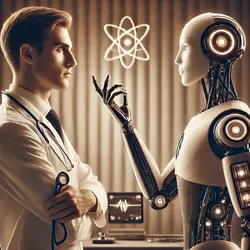 A1-A2Ե՞րբ են բժիշկներին փոխարինելու ռոբոտներըWhen Will Doctors Give Way to Robots?
 A1-A2Ի՞նչ կլինի, եթե վաղը ինտերնետն անհետանաWhat if the internet disappears tomorrow?
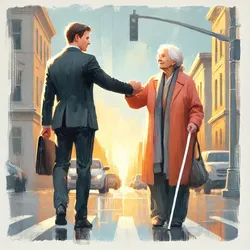 A1-A2Ինչո՞ւ է Բարին ՇահավետWhy Being Good Is Beneficial?
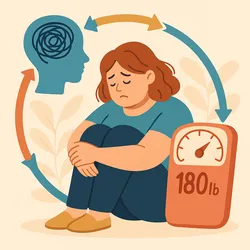 A1-A2Ավելորդ քաշը և հոգեբանությունը. Շրջապտույտ, թե գիտակցման ուղիExcess Weight and the Psyche: A Vicious Circle or a Path to Awareness?
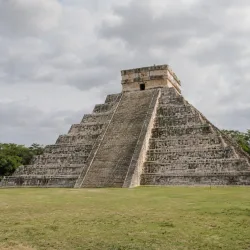 A1-A2Ինչպե՞ս Անհետացավ Մայաների Հին ՔաղաքակրթությունըHow Did the Ancient Maya Civilization Perish?
 A1-A2Ի՞նչ կլիներ, եթե Լուսինը անհետանարWhat Would Happen If the Moon Disappeared?
 A1-A2Ինչու է պատվաստումն ավելի կարևոր, քան թվում էWhy Vaccination Is More Important Than It Seems
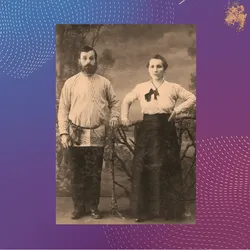 A1-A2Ինչո՞ւ հին լուսանկարներում ոչ ոք չի ժպտումWhy Does No One Smile in Old Photographs?
 A1-A2Ինչո՞ւ ենք սիրում տառապելWhy Do We Love to Suffer?
 A1-A2Կարո՞ղ ես ձանձրույթից մահանալCan You Die of Boredom?
 A1-A2Ի՞նչ է Նիրվանան և Ինչպե՞ս Հասնել ԴրանWhat is Nirvana and How to Attain It?
 A1-A2Ինչպե՞ս է պլաստիկը դարձել մեր սննդակարգի մասHow Plastic Became Part of Our Diet?
 A1-A2Կարո՞ղ եք ծիծաղից մահանալCan You Die from Laughter?
 A1-A2Ե՞րբ է կոդը դառնում արվեստWhen Does Code Become Art?
 A1-A2Կարո՞ղ է սուտն արդարացված լինելCan Lying Be Justified
 A1-A2Ինչպե՞ս են հոտերը կառավարում մեր հիշողությունը։How Do Smells Control Our Memories?
 A1-A2Կարո՞ղ է Սթոունհենջը լինել հանդերձյալ կյանքի դարպասCould Stonehenge Be a Portal to the Afterlife?
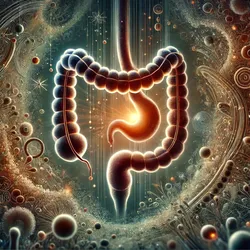 A1-A2Ինչո՞ւ ունենք կույր աղիք, եթե այն անօգուտ էWhy do we have an appendix if it's useless?
 A1-A2Ի՞նչ են սև անցքերը և ինչո՞ւ են դրանք վախեցնում գիտնականներինWhat are black holes and why do they scare scientists?
 A1-A2Ի՞նչ է «լավ կյանքը»What is a "good life"
 A1-A2Ստրուկի էֆեկտ՝ պաշտպանություն, թե թակարդOstrich Effect: Defense or Trap?
 A1-A2Ինչո՞ւ Ատլանտիդան անհետացավ մեկ գիշերվա ընթացքումWhy Did Atlantis Disappear in One Night?
 A1-A2Ինչո՞ւ Քաղցկեղը Դեռևս Պարտված ՉէWhy Cancer Has Not Been Defeated Yet
 A1-A2Ինչպե՞ս է ՄՌՏ-ն մագնիսներն ու ջուրը վերածում ախտորոշման։How Does MRI Turn Magnets and Water into a Diagnosis?
 A1-A2Ինչո՞ւ է «տրամվայի երկընտրանքը» այդքան հայտնիWhy is the "trolley dilemma" so popular
 A1-A2Ինչո՞ւ ենք մենք հավատում դավադրության տեսություններինWhy Do We Believe in Conspiracy Theories?
 A1-A2Ի՞նչ պատահեց Նապոլեոնի բանակին Եգիպտոսում իրականումWhat Really Happened to Napoleon's Army in Egypt?
 A1-A2Ինչպես է «խելացի» զուգարանի նստարանը վերլուծում առողջությունը. տնային ախտորոշման ապագանHow a “Smart” Toilet Analyzes Health: The Future of Home Diagnostics
 A1-A2Փափուկ ռոբոտներ և հեղուկ նեյրոնային ցանցեր. ինչպե՞ս են մեքենաները սովորում կենդանի լինելSoft Robots and Liquid Neural Networks: How Are Machines Learning to Be Alive?
 A1-A2Ինչպես է Մեկ Մարդը Մարտահրավեր Նետել Բարոյականությանն ու ԱստծունHow One Man Challenged Morality and God
 A1-A2Ինչո՞ւ է երախտագիտությունը մեզ երջանկացնումWhy Does Gratitude Make Us Happier?
 A1-A2Կարո՞ղ էր Թամերլանի անեծքը փոխել պատմության ընթացքըCould Tamerlane’s Curse Have Changed the Course of History?
 A1-A2Ինչպե՞ս են բակտերիաները վերահսկում մեր զգացմունքները։How Do Bacteria Control Our Emotions?
 A1-A2Ինչո՞ւ QWERTYWhy QWERTY?
 A1-A2Ով է որոշում, թե ինչն է ճշմարտությունWho Decides What Truth Is
 A1-A2Ինչպե՞ս ենք մենք խանգարում մեր սեփական երջանկությանը։How Do We Sabotage Our Own Happiness?
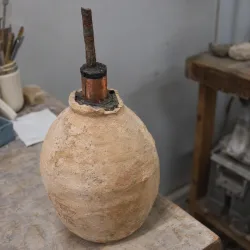 A1-A2Բաղդադի առեղծվածային մարտկոցըThe Mysterious Battery from Baghdad
 A1-A2Քաղցկեղի պատվաստանյութ. ապագա՞ն, թե՞ արդեն ներկաCancer Vaccine: The Future or Already the Present?
 A1-A2Կարո՞ղ եք դիպչել հոլոգրամինCan You Touch a Hologram
 A1-A2Ի՞նչ ընդհանրություն ունեն ստոիկները և սամուրայներըWhat Do Stoics and Samurai Have in Common
 A1-A2Ինչո՞ւ ենք վախենում հրապարակային ելույթներիցWhy Do We Fear Public Speaking?
 A1-A2Ինչպե՞ս բուդդայական մի վանական ժամանակին խաղաղ հաղթեցHow Did a Buddhist Monk Outsmart Time?
 A1-A2Ինչպե՞ս է մեր ուղեղը ստեղծում գիտակցությունըHow Does Our Brain Create Consciousness?
 A1-A2Ինչպե՞ս են աշխատում «խելացի քաղաքները»How do "smart cities" work
 A1-A2Ինչո՞ւ են երբեմն մեղեդիները մնում մեր գլխումWhy Do Melodies Sometimes Get Stuck in Our Heads?
 A1-A2Որտե՞ղ են թաքնված Երրորդ Ռայխի գանձերըWhere are the Treasures of the Third Reich Hidden?
 A1-A2Ինչպե՞ս են մարդիկ ապրում առանց մատնահետքերի։ Մուտացիան, որը վերացնում է մաշկի նախշերըHow Do People Live Without Fingerprints? The Mutation That Erases the Patterns on the Skin
 A1-A2Հնարավո՞ր է ստեղծել ամբողջ Տիեզերքի համար հասկանալի լեզուIs it Possible to Create a Language Understandable to the Entire Universe
 A1-A2Ինչո՞ւ են մարդիկ ծիծաղում նյարդայնանալիս կամ վշտանալիսWhy Do People Laugh When Nervous or Grieving?
 A1-A2Ո՞վ էր Ջեք-կտրիչըWho was Jack the Ripper?
 A1-A2Կյանքը հակառակ. ինչպե՞ս են ապրում «շրջված» օրգաններով մարդիկLife in Reverse: How Do People with "Flipped" Organs Live?
 A1-A2Հնարավո՞ր է անցնել պատի միջովIs it Possible to Walk Through a Wall
 A1-A2Ինչո՞ւ ենք մենք մղձավանջներ տեսնումWhy Do We Have Nightmares?
 A1-A2Կարո՞ղ եք ուրվական լուսանկարել։Can you photograph a ghost?
 A1-A2Հնարավո՞ր է գիտակցությունը փոխանցել համակարգչինIs It Possible to Transfer Consciousness into a Computer?
 A1-A2Ի՞նչ է քվանտային խճճվածությունըWhat is Quantum Entanglement?
 A1-A2Խոսել ինքդ քեզ հետ. հանճարի ճանապարհ, թե խելագարության առաջին քայլTalking to Yourself: Path to Genius or First Step to Madness?
 A1-A2Մեքսիկայի Լռության գոտին. իսկապե՞ս ռադիոալիքներն այնտեղ անհետանում ենThe Zone of Silence in Mexico: Do Radio Waves Really Vanish There?
 A1-A2Ինչպե՞ս է օձի թույնը փոխել բժշկությունը։How Snake Venom Has Changed Medicine?
 A1-A2Ինչպե՞ս Նոկիան Կորցրեց Սմարթֆոնների ՇուկանHow Did Nokia Lose the Smartphone Market
 A1-A2Ինչպե՞ս է մարմնի լեզուն վերահսկում մեր ընկալումըHow Does Body Language Control Our Perception?
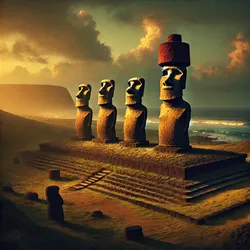 A1-A2Ի՞նչ գաղտնիքներ են պահում Զատկի կղզու քարե պահապաններըWhat Secrets Do the Stone Guardians of Easter Island Hold?
 A1-A2Ինչպե՞ս է ուղեղը որոշում, թե ինչն է համեղHow does the brain decide what tastes good
 A1-A2Ինչ են Արեգակնային Փոթորիկները և Ինչու Կարող են Մեզ Վերադարձնել 19-րդ ԴարWhat are Solar Storms and Why Could They Send Us Back to the 19th Century?
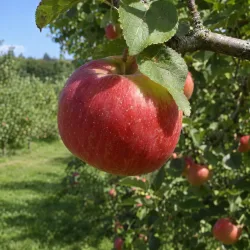 A1-A2Ինչպե՞ս են աշխարհը ընկալում երևակայություն չունեցող մարդիկHow Do People Without Imagination Perceive the World?
 A1-A2Ինչո՞ւ «Մերի Սելեստը» դարձավ ուրվական նավWhy did the "Mary Celeste" become a ghost ship?
 A1-A2Սրտի վիրահատություն. ե՞րբ է ռիսկը հավասար հրաշքիHeart Surgery: When Does Risk Equal a Miracle?
 A1-A2Ինչպե՞ս են մեքենաները սովորում ինքնուրույն վարելHow Do Cars Learn to Drive Themselves
 A1-A2Ինչո՞ւ են ուրիշների սպասելիքները մեզ վերահսկումWhy Do Others' Expectations Control Us?
 A1-A2Արդյո՞ք թագավոր Արթուրը իսկապես գոյություն է ունեցելDid King Arthur Really Exist?
 A1-A2Ինչպե՞ս է վիրուսը վերածվել քաղցկեղի դեմ զենքիHow Did a Virus Become a Weapon Against Cancer?
 A1-A2Ինչ է կրիպտոարժույթըWhat is cryptocurrency
 A1-A2Ե՞րբ է անհանգստությունը վերածվում թակարդիWhen Does Anxiety Become a Trap?
 A1-A2Դյատլովի լեռնանցքի առեղծվածը. ի՞նչ պատահեց Ուրալի լեռներում զբոսաշրջիկների խմբի հետThe Mystery of the Dyatlov Pass - What Happened to the Group of Tourists in the Ural Mountains?
 A1-A2Դեղամիջոցներ՝ ավելի արագ. Ինչպե՞ս են նեյրոնային ցանցերն օգնում նոր դեղեր հայտնաբերելMedicines, Faster: How Do Neural Networks Help Find New Drugs?
 A1-A2Ինչո՞ւ Սեգվեյը Չդարձավ Ապագայի ՏրանսպորտըWhy Didn't Segway Become the Transport of the Future
 A1-A2Ինչո՞ւ ենք ամեն ինչ հետաձգում «հետո»Why Do We Put Things Off Until “Later”?
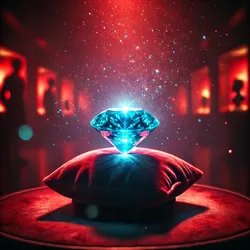 A1-A2Հոփ ադամանդի անեծքը - Ինչպե՞ս է կապույտ ադամանդը դատապարտել իր տերերինThe Curse of the Hope Diamond - How the Blue Diamond Doomed Its Owners?
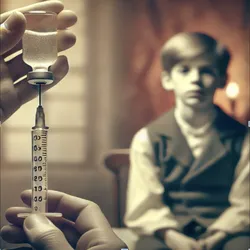 A1-A2Ինսուլին. Հայտնագործությունը, որ Փրկեց Միլիոնավոր ԿյանքերInsulin: The Discovery That Saved Millions of Lives
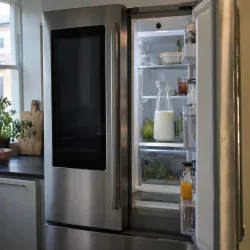 A1-A2Ե՞րբ կդառնան սառնարանները խելացիWhen Will Refrigerators Get Smart
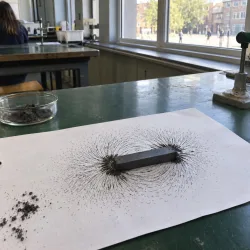 A1-A2Կարո՞ղ եք սովորել լինել հմայիչCan You Learn to Be Charismatic
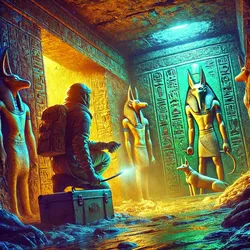 A1-A2Արդյո՞ք փարավոնների անեծքն իսկապես գոյություն է ունեցելDid the Pharaohs' Curse Really Exist?
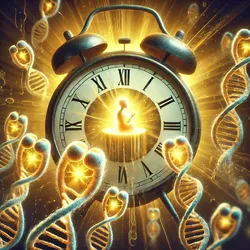 A1-A2Ինչ են տելոմերները և ինչպես են դրանք վերահսկում մեր երիտասարդությունըWhat are telomeres and how do they control our youth?
 A1-A2Ի՞նչ է Թիթեռնիկի էֆեկտը և ինչպե՞ս է այն փոխում պատճառականության ու կարգի մասին մեր պատկերացումներըWhat is the Butterfly Effect and How Does It Change Our View on Causality and Order?
 A1-A2Ինչո՞ւ ենք սիրում հետևել ուրիշների կյանքինWhy Do We Love Watching Other People's Lives?
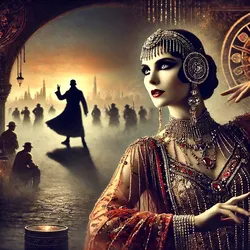 A1-A2Ո՞վ Էր Մատա Հարին ԻրականումWho Was Mata Hari Really?
 A1-A2Ինչո՞ւ էին արյան փոխներարկումները մարդկանց սպանումWhy Did Blood Transfusions Kill People?
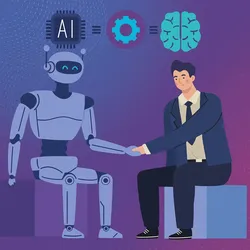 A1-A2Կարո՞ղ են ռոբոտները դառնալ մեր ընկերներըCan robots become our friends?
 A1-A2Ինչո՞ւ են շուրջբոլորն այդքան «նարցիսիստներ»Why Are There So Many "Narcissists" Around?
 A1-A2Ինչպե՞ս են քարերը կենդանանում աշխարհի ամենատաք անապատումHow Do Stones Come Alive in the World's Hottest Desert?
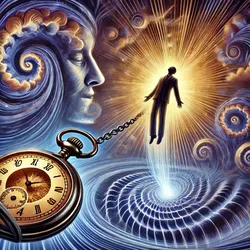 A1-A2Ինչպե՞ս է գործում հիպնոսը. փոփոխված գիտակցության գաղտնիքներըHow Does Hypnosis Work? The Secrets of Altered Consciousness
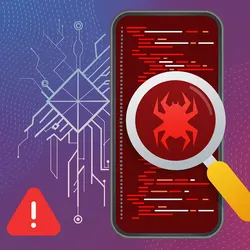 A1-A2Մարդկության պատմության ամենաառեղծվածային կիբերպատերազմներըThe Most Mysterious Cyberwars in Human History
 A1-A2«Փրկարարի համախտանիշ». երբ օգնությունը հակառակ ազդեցություն է ունենումThe “Rescuer Syndrome”: When Helping Backfires
 A1-A2Զոդիակի գաղտնագրերը — Ինչո՞ւ են նրա ծածկագրերը մինչ օրս չլուծվածZodiac Killer Cryptograms — Why Are His Ciphers Still Unsolved?
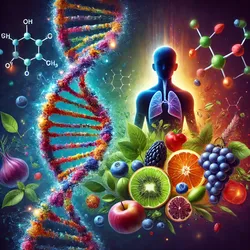 A1-A2Երիտասարդության կոդը. Ի՞նչ ուտել՝ ծերանալուց խուսափելու համարCode of Youth: What to Eat to Avoid Aging?
 A1-A2Ինչո՞ւ է պայթել Սամսունգ Գալաքսի Նոթ 7-ըWhy did the Samsung Galaxy Note 7 explode
 A1-A2Ի՞նչ է Էմոցիոնալ ԻնտելեկտըWhat is Emotional Intelligence?
 A1-A2Ո՞ւր անհետացավ մեծ օդաչու Ամելիա ԷրհարթըWhere Did the Great Pilot Amelia Earhart Vanish?
 A1-A2Ինչն է վիրահատությունը դարձնում գերմարդկայինWhat makes surgery superhuman
 A1-A2Ինչո՞ւ է լազերը ավելի ճշգրիտ, քան սկալպելը, և ավելի արագ, քան ինտերնետըWhy is a laser more precise than a scalpel and faster than the internet?
 A1-A2Կարո՞ղ է միայնությունը վնասել մեր առողջությանըCan Loneliness Ruin Our Health?
 A1-A2Արդյո՞ք գոյություն է ունեցել Դրամի կղզինDid Treasure Island Exist in Reality?
 A1-A2Ինչո՞ւ ենք մենք հորանջում և ինչո՞ւ է այն այդքան վարակիչWhy Do We Yawn and Why Is It So Contagious?
 A1-A2Հնարավո՞ր է զգացմունքներ փոխանցել ինտերնետովIs It Possible to Transmit Emotions Over the Internet?
 A1-A2Ինչո՞ւ ենք մենք զբաղված ձևանումWhy Do We Pretend to Be Busy?
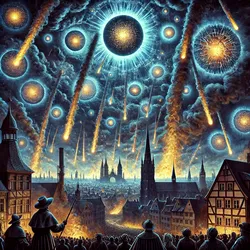 A1-A2Կրակե անձրև Նյուրնբերգում (1561) - թռչող ափսեների մարտ, թե բնական երևույթFire Rain in Nuremberg (1561) - UFO Battle or Natural Phenomenon?
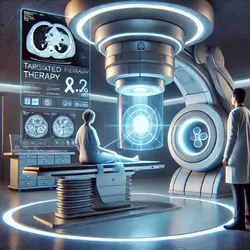 A1-A2Ինչպե՞ս է ճառագայթումը սովորել փրկել կյանքեր։How Did Radiation Learn to Save Lives?
 A1-A2Ինչո՞ւ են ալգորիթմներին սխալներ պետքWhy Do Algorithms Need Errors?
 A1-A2Ինչո՞ւ են պայծառ գաղափարները ծագում գիշերըWhy Do Brilliant Ideas Come at Night?
 A1-A2Ի՞նչ գաղտնիք է թաքնված Բերմուդյան եռանկյունումWhat secret is hidden in the Bermuda Triangle?
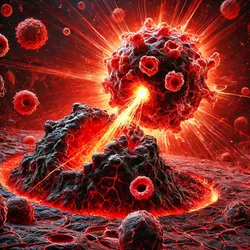 A1-A2Ինչպե՞ս է աշխատում իմունիտետըHow does immunity work
 A1-A2Ինչպե՞ս են աշխատում YouTube-ի գաղտնի ալգորիթմները։How Do YouTube’s Secret Algorithms Work?
 A1-A2Ստելու հոգեբանություն. Ինչպե՞ս է այն գործում և ինչպե՞ս հայտնաբերել այն։The Psychology of Lying: How It Works and How to Detect It?
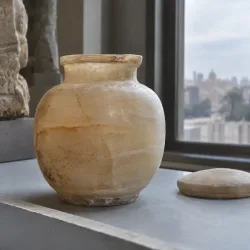 A1-A2Ինչպես են հին եգիպտացիները «հայտնագործել» ԲոտոքսըHow the Ancient Egyptians "Invented" Botox
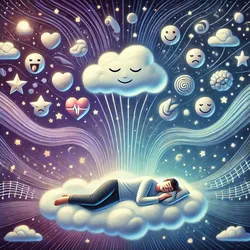 A1-A2Քունն ու զգացմունքները. ինչպե՞ս է ուղեղը մշակում փորձառություններըSleep and Emotions: How Does the Brain Process Experiences?
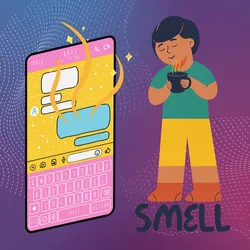 A1-A2Հնարավո՞ր է Հոտ Փոխանցել Wi-Fi-ովCan You Send Smell Over Wi-Fi?
 A1-A2ՖՈՄՈ. Ինչո՞ւ ենք վախենում բաց թողնելուցFOMO: Why Are We Afraid of Missing Out?
 A1-A2Ո՞ւր է անհետացել ԱՄՆ ռազմանավըWhere Did the US Navy Destroyer Go
 A1-A2Կա՞ սահման մարդկային հիշողության համարIs There a Limit to Human Memory?
 A1-A2Ի՞նչ է «ամպը» և որտե՞ղ են ֆիզիկապես պահվում ձեր ֆայլերըWhat is the “cloud” and where do your files physically live?
 A1-A2Ի՞նչ է «Սև կարապի» էֆեկտըWhat is the “Black Swan” Effect?
 A1-A2«Սև Դալիայի» արնոտ առեղծվածը - Հոլիվուդը ցնցող հանցագործությունThe Bloody Mystery of the "Black Dahlia" - A Crime That Shocked Hollywood.
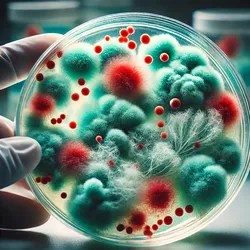 A1-A2Ինչպե՞ս է պատահականությունը մարդկությանը պենիցիլին նվիրելHow Chance Gave Humanity Penicillin
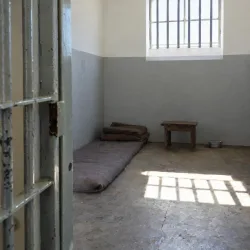 A1-A2Ինչո՞ւ են հազարավոր մարդիկ կատարում նույն սխալներըWhy Do Thousands of People Make the Same Mistakes
 A1-A2Արդյո՞ք Լինքոլնն ու Քենեդին իսկապես նույն ճակատագիրն ունեցանDid Lincoln and Kennedy Really Share the Same Fate?
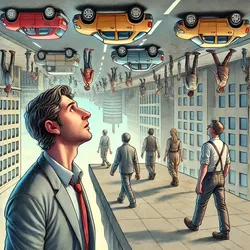 A1-A2Ինչպե՞ս է ուղեղը որոշում, թե ինչ է վերև, ինչ է՝ ներքևHow Does the Brain Decide What's Up and What's Down?
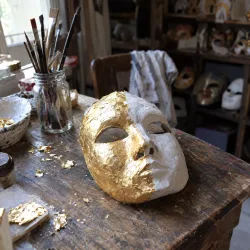 A1-A2Ի՞նչ է «Կեղծիքի համախտանիշը»What is "Impostor Syndrome"?
 A1-A2Ինչպես Բոստոնում ձախողված թեյախմությունը հեղափոխության պատճառ դարձավHow a Failed Tea Party in Boston Led to a Revolution
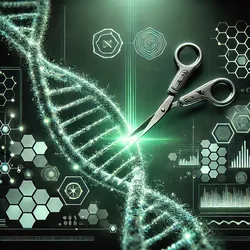 A1-A2Ինչպե՞ս է CRISPR-ը փոխում ԴՆԹ-ն և մարդկության ապագան։How CRISPR is Changing DNA and the Future of Humanity?
 A1-A2Ինչո՞ւ են գրկախառնությունները սթրեսի լավագույն դեղըWhy Hugs Are the Best Medicine for Stress
 A1-A2Ինչպես է մեկ մարդ փրկել աշխարհը միջուկային պատերազմիցHow One Man Saved the World from Nuclear War
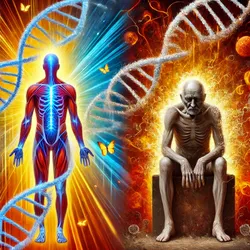 A1-A2Ինչպես է սթրեսը փոխում ԴՆԹ-ն և արագացնում ծերացումըHow Stress Changes DNA and Accelerates Aging
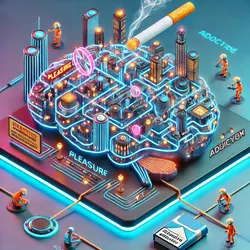 A1-A2Ինչպե՞ս է նիկոտինը վերահսկում ձեր ուղեղըHow Does Nicotine Control Your Brain?
 A1-A2Ինչպե՞ս խմորեղենը պատահաբար փոխեց մի ամբողջ երկրի ճակատագիրըHow Did Pastries Accidentally Change the Fate of an Entire Country?
 A1-A2Ե՞րբ են հակաբիոտիկները դադարելու աշխատելWhen Will Antibiotics Stop Working
 A1-A2Ինչո՞ւ ենք մենք ենթարկվում մանիպուլյացիաներին, նույնիսկ երբ գիտենք դրանց մասինWhy Do We Succumb to Manipulations, Even When We Know About Them?
 A1-A2Ո՞վ է թաքնված Բենքսիի դիմակի հետևումWho’s Hiding Behind Banksy’s Mask?
 A1-A2Ինչպե՞ս է մեդիտացիան փոխում մեր մարմինն ու միտքը։How does meditation change our body and mind?
 A1-A2Ինչո՞ւ է սպորտը մեզ ավելի երջանիկ դարձնումWhy Do Sports Make Us Happier?
 A1-A2Ինչո՞ւ ամբողջ քաղաքը հանկարծ խելագարվեցWhy Did an Entire Town Suddenly Go Mad
 A1-A2Հնարավո՞ր է ապրել առանց սրտիIs it Possible to Live Without a Heart?
 A1-A2Ինչպես Կուպերը առևանգեց ինքնաթիռն ու անհետացավ առանց հետք թողնելուHow Cooper Hijacked a Plane and Vanished Without a Trace
 A1-A2Կարո՞ղ են ատամներ աճել մեր մարմնի այլ մասերումCan Teeth Grow in Other Parts of Our Body?
 A1-A2Ինչո՞ւ Թերանոսը Չդարձավ Հաջորդ ԷփլըWhy Didn't Theranos Become the Next Apple
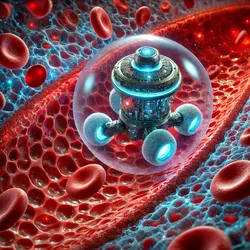 A1-A2Նանոռոբոտները հիվանդությունների դեմ. ինչպե՞ս է դա աշխատումNanorobots Against Diseases: How Does It Work?
 A1-A2Ինչո՞ւ էին ամերիկացիները վախենում լոլիկիցWhy Were Americans Afraid of Tomatoes?
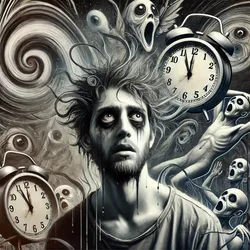 A1-A2Կարո՞ղ եք ապրել առանց քնիCan You Survive Without Sleep
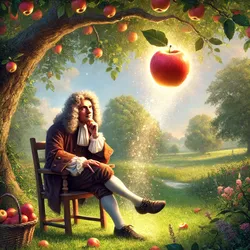 A1-A2Ինչպե՞ս են Նյուտոնն ու ընկնող խնձորները կապվածHow are Newton and Falling Apples Related?
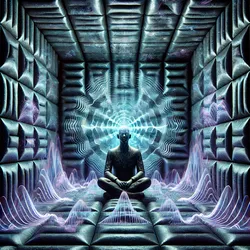 A1-A2Ինչպե՞ս է հնչում բացարձակ լռությունըWhat Does Absolute Silence Sound Like?
 A1-A2Ինչի՞ վրա էր ծախսում թմրավաճառ Պաբլո Էսկոբարը իր միլիարդներըWhat Did Drug Lord Pablo Escobar Spend His Billions On?
 A1-A2Կրիոնիկա. անմահության տոմս, թե՞ ոչ մի տեղ չտանող ճանապարհCryonics: Ticket to Immortality or Road to Nowhere?
 A1-A2Ինչպես կեղծ հորոսկոպները թուլացրին նացիստական ոգինHow Fake Horoscopes Undermined the Nazi Spirit
 A1-A2Ինչո՞ւ է ցուրտը մեզ առողջացնումWhy Does Cold Make Us Healthier?
 A1-A2Ինչպե՞ս էին գաղտնագրում հաղորդագրությունները ՄիջնադարումHow Were Messages Encrypted in the Middle Ages?
 A1-A2Կարո՞ղ է մարդու ուղեղը փոխպատվաստվելCan a Human's Brain Be Transplanted?
 A1-A2Արդյո՞ք մարդկանց իսկապես մահապատժի էին ենթարկում քրքջոցի միջոցովWere People Really Executed by Tickling?
 A1-A2Հնարավո՞ր է օրգաններ տպել 3D տպիչովIs it Possible to Print Organs on a 3D Printer?
 A1-A2Ի՞նչ ճարտարագիտական գաղտնիքներ է մեզնից թաքցրել պատմությունը։What engineering secrets did history hide from us?
 A1-A2Հնարավո՞ր է ֆիզիկապես զգալ ուրիշի ցավըIs It Possible to Physically Feel Someone Else's Pain
 A1-A2Ի՞նչ է պատահել «Մոնա Լիզայի» հետ։What's Wrong with the “Mona Lisa”?
 A1-A2Կարո՞ղ են ցողունային բջիջները կանգնեցնել ծերացումըCan Stem Cells Stop Aging?
 A1-A21518 թվականի պարային համաճարակը. Երբ խելագարությունը վարակիչ է դառնումThe Dancing Plague of 1518: When Madness Becomes Contagious
 A1-A2Կարո՞ղ է մարդը ապրել առանց ուղեղի կեսիIs It Possible to Live Without Half of the Brain?
 A1-A2Ինչո՞ւ են միջնադարում կենդանիներին դատի տալիսWhy Were Animals Tried in the Middle Ages?
 A1-A2Ինչո՞ւ են առաջանում արևային ալերգիաներWhy Do Sun Allergies Occur?
 A1-A2Ինչո՞ւ ենք մենք ծերանում և արդյո՞ք դա անխուսափելի էWhy Do We Age and Is It Inevitable?


Read Armenian stories and books with translation
It's more convenient there: every story and book is in one place, and the app remembers where you stopped in each one.
- Parallel translation A translation under every sentence, and any word explained with one tap.
- Native audio with shadowing Each word is highlighted as the story is read aloud. Hold a sentence's play button to hear it several times and say it along with the voice.
- 12 different exercises to learn new words Words you save while reading come back in flashcards, listening, spelling and gap-fill exercises until you know them.
What Lingo7 users are saying
Recent reviews from the App Store and Google Play, quoted the way they were written.
- Pasha Ahsap
A very useful app for learning a language: you can translate every unfamiliar word with a tap right away and save it.
- Esteban Velarde
amazing app very useful Me encantó 🙌🏻☺️
- Айгуль Оспанова
great app
-
Great app and really helpful! ⭐️
I really enjoyed using the app! It’s very helpful, easy to use, and I really liked the way everything is organized. I definitely enjoyed my experience and would recommend it to others. 😊
- A Rimmer
I can’t recommend this app enough! I use it to refine my Spanish vocabulary and learn Bulgarian, and I love that you can keep multiple languages and their word lists separate. You can read your own books with instant translation, save new words and use spaced repetition to remember them. The pictures really help words stick, and there are no distracting animations or gimmicky rewards. Easily the best language app I’ve used!
- Наталка С.
The best. You can learn words. You can listen to speech with lively intonation. The texts are very interesting. Adapted and original: first I read the adaptation, then switch to the original. You can upload your own book, translate it, and listen and read at the same time.
- Caspian Sutherland
Best app I've ever used
- Viktor
The app is good, no doubt about it. I recommend it. I did not even expect this. Lots of literature for every taste. Read the simplified version or the original. You build your own dictionary. You take quizzes, very original ones. You can have a conversation on different topics. Super! And not expensive.
- Mayur Luhadia
I have already had a yearly subscription for LINGO 7. This app is an excellent resource for anyone looking to improve their English skills. The Hindi translations and detailed explanations provided for each story are incredibly helpful and effective for learners like me.
-
Amazing app! For reading lovers this is an incredible world of different languages. I recommend it! Delighted!
The app works great! Special thanks for the speed selection! I really liked that you can switch languages. Listen to a book in Russian and read the English translation right there, or listen in English and read the Russian translation.
- Dmitry Gavrilov
The idea of the app is great, it's very useful, and I especially love the Library and saving words to the dictionary in a basic form. I would say a big thanks to the developer, who made some fixes and implementations by the mine propositions!
- Дмитрий Федешов
I studied French at university and dropped it after graduating. A couple of years later I tried watching a film without subtitles and realised my level had slipped. I started reading in the app bit by bit, simple stories at first. Now I read novels and understand about 80 percent without hints. The audio helped a lot too, my listening got better.
- Antonino Venticinque
It is the best.
- Полина Козлова
My English was B1 and it felt like I was stuck. Courses were boring, series with subtitles did not help. I started reading books in the app, and in six months my vocabulary roughly tripled. Now I read articles and documentation without translation. The main thing is that you learn not abstract words but the ones that actually come up in texts.
-
👍🏻
Norwegian is hard to find anywhere. Here there are both texts and audio. I listen to the narration on my way to work and read in the evening. It is handy that you can save words and review them later, they do not get lost.
-
Very convenient for learning
I read in Spanish before bed. The translation is right there, the audio is good. I can feel the progress.
- shanabbasi
I've tried several language learning apps, and Lingo7 stands out because of its combination of reading, audio, and flashcards. The parallel reading feature is especially helpful for understanding new words in context. The app is easy to navigate and makes daily practice feel productive rather than boring. A great tool for improving language skills step by step.
- Nour Abo elmagd
Georgian! I did not expect to find it. There are texts, the translation works, so does the audio. Thank you.
-
Good parallel reading app
A very convenient app for parallel reading. I started reading books and articles in the original without constantly translating every word. New words stick much more easily, and in a short time I began to understand spoken English noticeably better. The interface is simple and really motivates you to read every day.
- Кирилл Шапорев
I started learning Turkish recently. The texts are interesting, the translation is clear. I like that the audio plays in sync, so you hear right away how to pronounce things.
- Tatyana Naumova
The app helped me a lot with learning Serbian
- Савелий Кулаков
Great app! I have tried others, but the approach here is more interesting. I have been using it for a little over a week and it really helps. The main thing is to make an effort yourself. There were some unstable moments, but everything was fixed quickly. A huge plus is the very responsive developer.
- konstantin
Convenient for German. You read, save words, review them. Everything is simple, nothing extra.
- Randy S
Just what I was looking for. Easy books to read to supplement vocabulary learned.
- Kristina Emad
Great app, convenient interface and pleasant design. Everything works fast and without problems.
- Artem Stavilov
My child reads English fairy tales with the translation and asks for more. Better than any textbook.
- Ирина Новицкая
A great app for learning foreign languages.
- Zeynep Ornek
I use the audio reading feature in Lingo7, and it has been a real breakthrough for me. The audio tracks are clear and well synchronised, which makes it easy to follow the text and improve pronunciation. The choice of texts is varied and engaging, covering different topics and genres. I like being able to adjust the speed and repeat fragments, which really helps me focus on difficult words.
- Макс Рахвалов
I have always wanted to learn German, and in this app everything is much more accessible and clearer than in similar ones. I have started with the flashcards for now, and I will move on to reading and audio once I have learned enough words. Overall the app is a 10 out of 10.
-
😉
I am learning Spanish for a move abroad. The audio is very high quality and sounds natural. The parallel text is convenient.
- Katreena Katreena
Installed it out of curiosity, and now I have been using it every day for 3 months. I am learning French. What won me over: real books, not made-up dialogues. Saving words plus review, and the vocabulary grows before your eyes.
-
I like it!
I moved to Czechia a year ago and needed to learn Czech quickly for work. Not many apps have it, I was surprised. I read texts with the translation, and the flashcards helped me memorise words. Now I talk at work and read documents. Thanks to the developers.
- Юлия Близнюк
I like that there is no gamification and no silly streaks here. You just read a book and learn. Like an adult. Thank you for the serious approach to language learning.
-
Review
I am 63, and we go to Italy every year. I read a little before bed. The stories are interesting and the translation is right there, so you do not give up. The interface is simple. After 4 months I actually talked to a waiter in Rome. He was surprised!
- Tala Tolstoy
I have been learning Turkish for six months. I tried different apps before, and they were all grammar drills. Here you just read an interesting text with the translation right there. It sticks by itself. The most natural way to learn a language.
- Nadezhda Nadezhda
I am hooked on this app! The library is huge: classics, retellings, stories for different levels. The main difference is that you actually READ instead of just doing exercises. It feels like real studying.
- Rosita Rose
I needed Portuguese to work with a team from Brazil. Reading and audio at the same time is very effective, you train both listening and reading comprehension. The spaced repetition cards helped me build vocabulary quickly. After 6 weeks I could already follow meetings.
-
👍
I have tried every language app out there. What sets this one apart is parallel reading. Polyglots have learned this way for centuries, only here it is all in a convenient app. Tap a word and it gets saved, then you get quizzed at the right intervals. Much more natural than cramming flashcards in Anki.
- Евгения Н
a great service for practising English. you can pick a book by your level, the library is big enough for that. There are audio and text formats. The subscription is very reasonably priced.
- Pixel
I like it! It supports Serbian, five stars for that!
- Denis Nefedov
I have been looking for an app like this for a long time)
- Вася Козлодоев
the idea and the execution get a 5+. There is always something to improve, but right now this is the only app with Serbian books. well done! thank you!
How to read with a translation
- Read the sentence in Armenian first and work out the meaning from the words you know. Only then open the translation and compare.
- Press Listen and follow the highlighted words. Listen to the same story twice: once with the translation open, once without it. Then play it a third time and say the sentences along with the voice, a beat behind it (shadowing).
- Pick the level where you understand about 80 percent without the translation. Too easy is fine; too hard turns reading into decoding. Read a little every day.
Questions about these texts
They are written for Lingo7 learners: short stories on history, nature, science, technology, philosophy and everyday life, about five minutes of reading each. Every story comes in two versions, adapted for A1-A2 and the original for B1-B2, and is translated sentence by sentence.
Yes, texts with a parallel translation, sentence by sentence. The translation is not in a second column: it sits right under each sentence in Armenian, so your eyes stay on the original and drop to the translation only when needed. A tap on a word shows which word of the translation it matches. In the full story you can hide the translations and open one with a tap on its sentence, and pick the translation language: any of the other 49 Lingo7 languages.
Sentence by sentence and close to the original, so you can match the words, but written as natural sentences, not word for word. Where the two conflict, the meaning wins over the word order.
Yes. In the full story set the translation to "On tap", translate a sentence yourself, then tap it to compare with ours.
No. This page shows the first page of one story; the whole stories are in the Lingo7 app, where they work offline once opened and every word can be tapped for a translation.
This page is free. In Lingo7 you open any story and read its first page for free; a subscription unlocks all the stories, the audio and the word practice.
Press Listen and the story is read aloud in Armenian by a native voice, with the current word highlighted. The recording is made from this exact text, so you can pause and reread any sentence.
Yes. Every story has an adapted version for A1-A2, rewritten in simpler language. Start there, and when it reads easily, switch the same story to the original for B1-B2.
Read the adapted example above without the translation. If you understand most of it and miss only a few words, start there. If it feels too easy, switch to the original. The adapted version is for A1-A2, the original for B1-B2, and after the stories come the books.