Galician texts by level with translation
Short stories in Galician for learners, about five minutes of reading each, with a translation under every sentence and audio narrated by native speakers. Every story comes in two versions: adapted for A1-A2 and the original for B1-B2.
Stories in Galician
The adapted version: short sentences and the most common words.
The original story, as it is written.
Five minutes of reading each, a translation under every sentence, audio with the current word highlighted.
 A1-A2O Manuscrito VoynichThe Voynich Manuscript
 A1-A2Por que perdemos a cabeza polo amor?Why Do We Lose Our Heads Over Love?
 A1-A2¿Como funciona o efecto placebo?How Does the Placebo Effect Work?
 A1-A2Como funciona o Wi-FiHow does Wi-Fi work
 A1-A2Que nos fai ser "nós"What makes us "us"
 A1-A2Por que nos gusta tanto facernos selfies?Why Do We Love Taking Selfies So Much?
 A1-A2Como predixo un libro o afundimento do Titanic?How Did a Book Predict the Sinking of the Titanic?
 A1-A2Que lle pasa a un caracol se lle das café?What happens if you give coffee to a snail?
 A1-A2Por que as cicatrices non se broncean?Why Don't Scars Tan?
 A1-A2É Posible Crear un Contrasinal Absolutamente Seguro?Is It Possible to Create an Absolutely Secure Password?
 A1-A2¿A quen cita a intelixencia artificial?Whom Does the Artificial Intelligence Quote?
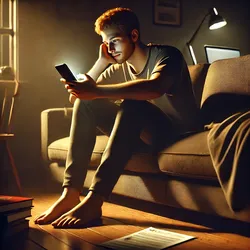 A1-A2O fascinante mundo das redes sociais: ¿un salvavidas ou unha trampa para a mente?The Fascinating World of Social Media: A Rescue or a Trap for the Mind?
 A1-A2Que agocha a data da morte de Hitler?What Does the Date of Hitler’s Death Conceal?
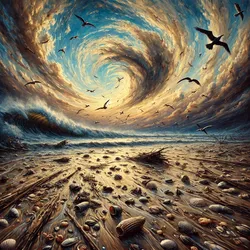 A1-A2Como senten os animais os desastres?How do animals sense disasters?
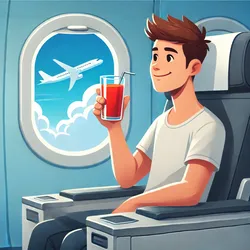 A1-A2Por que sabe mellor o zume de tomate no ceo?Why Does Tomato Juice Taste Better in the Sky?
 A1-A2Por que os píxeles non son cadradiños: A anatomía dunha imaxe e a ilusión da realidadeWhy Pixels Aren't Little Squares: The Anatomy of an Image and the Illusion of Reality
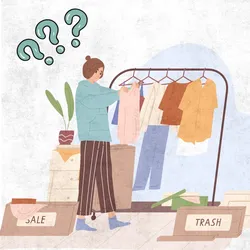 A1-A2Cantas cousas precisas para ser feliz?How Many Things Do You Need for Happiness?
 A1-A2Cando o noso nome decide por nósWhen Our Name Decides for Us
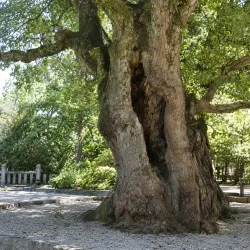 A1-A2¿Como sobreviviu un home a Hiroshima e Nagasaki?How Did One Man Survive Both Hiroshima and Nagasaki?
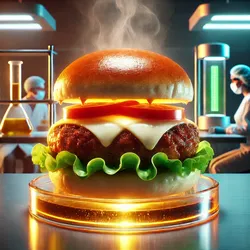 A1-A2É Posible Cultivar unha Hamburguesa nun Laboratorio?Is It Possible to Grow a Burger in a Laboratory?
 A1-A2Por que choramos — e por que é beneficioso?Why Do We Cry — and Why Is It Beneficial?
 A1-A2Que fai un satélite cando está aburrido?What Does a Satellite Do When It's Bored?
 A1-A2Que Temos en Común cos Antigos Gregos?What Do We Have in Common with the Ancient Greeks?
 A1-A2¿De onde veñen as fobias máis estrañas?Where Do the Strangest Phobias Come From?
 A1-A2Como conseguiu un gato un posto no Goberno británico?How Did a Cat Get a Job in the British Government?
 A1-A2Por que unha libeliña necesita 30.000 lentes en cada ollo?Why Does a Dragonfly Need 30,000 Lenses in Each Eye?
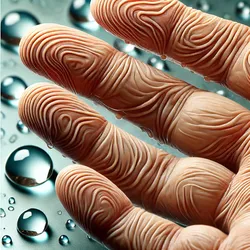 A1-A2Por que se engurran os dedos na auga?Why Do Fingers Wrinkle in Water?
 A1-A2De onde veu o código QR—e por que está por todas partes agora?Where Did the QR Code Come From—and Why Is It Everywhere Now?
 A1-A2¿Controlamos as nosas propias vidas?Are We in Control of Our Own Lives?
 A1-A2TDAH: ¿Unha epidemia de distracción ou só unha moda pasaxeira?ADHD: A Distraction Epidemic or Just a Fad?
 A1-A2Por que Coca-Cola fixo unha cola incolora para o mariscal Zhukov?Why Did Coca-Cola Make a Colorless Cola for Marshal Zhukov?
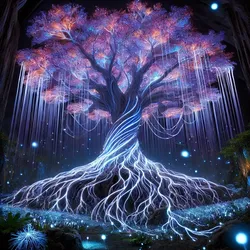 A1-A2¿Poden as plantas posuír unha forma primitiva de consciencia?Can Plants Possess a Primitive Form of Consciousness?
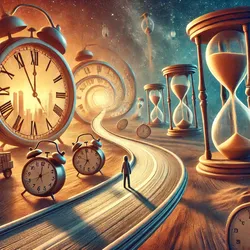 A1-A2Como "sentimos" o tempo e por que acelera coa idadeHow We "Feel" Time and Why It Speeds Up with Age
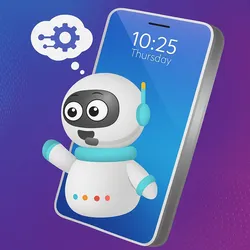 A1-A2Como saben os aparellos o que queres?How do gadgets know what you want?
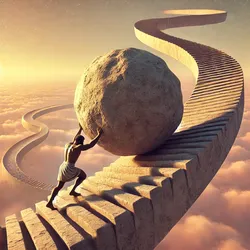 A1-A2E se todo neste mundo non tivese significado?What if everything in this world is meaningless?
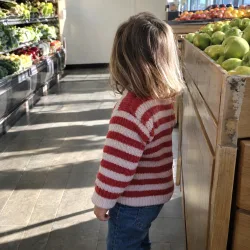 A1-A2Como xera o noso cerebro falsas lembranzas?How Does Our Brain Generate False Memories?
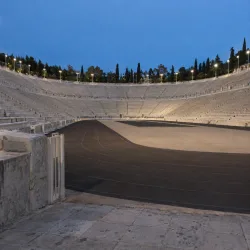 A1-A2Por que foron as primeiras Olimpíadas un fracaso?Why Were the First Olympic Games a Failure?
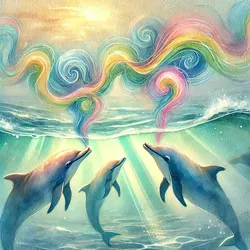 A1-A2¿Poden falar os golfiños?Can Dolphins Talk?
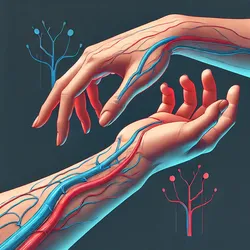 A1-A2Por que o noso sangue é vermello, pero as veas azuis?Why Is Our Blood Red, But Veins Blue?
 A1-A2Por que necesita o mundo un ordenador cuántico?Why Does the World Need a Quantum Computer?
 A1-A2Por que nos gusta tanto romper as regras?Why Do We Love Breaking Rules?
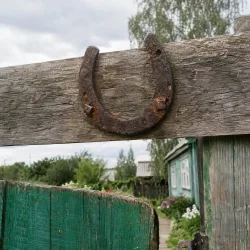 A1-A2Por que cremos nas supersticións?Why Do We Believe in Superstitions?
 A1-A2Como se converteu a pizza Margherita nun símbolo de Italia?How Did the Margherita Pizza Become a Symbol of Italy?
 A1-A2Por que son tan lentos os preguiceiros?Why Are Sloths So Slow?
 A1-A2Por que non recordamos os primeiros anos da nosa vida?Why Don't We Remember the Early Years of Our Lives?
 A1-A2Hipersónicos: ¿Arma do futuro ou erro do presente?Hypersonics: Weapon of the Future or Mistake of the Present?
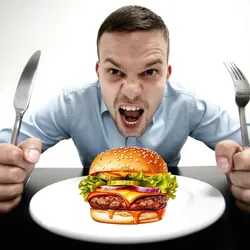 A1-A2Por que non es ti cando tes fameWhy Aren't You You When You're Hungry
 A1-A2Por que ocorre o déjà vu?Why Does Déjà Vu Occur?
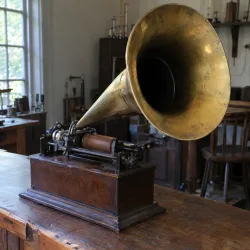 A1-A2Como buscaba Thomas Edison as voces dos mortos?How Did Thomas Edison Search for the Voices of the Dead?
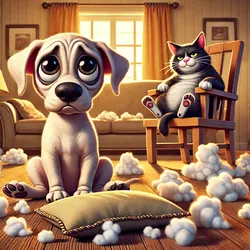 A1-A2Os animais senten realmente vergoña e celos?Do Animals Really Feel Shame and Jealousy?
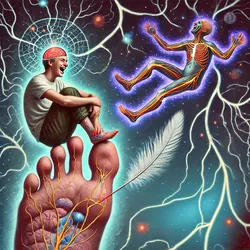 A1-A2Por que non podemos facernos cosquillas a nós mesmos?Why Can't We Tickle Ourselves?
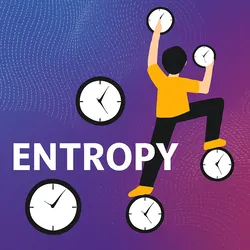 A1-A2Por que o tempo só se move cara adiante — e que ten que ver a entropía con iso?Why Does Time Only Move Forward — and What Does Entropy Have to Do with It?
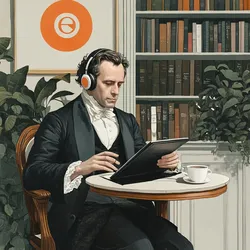 A1-A2Como respondería Immanuel Kant ás preguntas de Reddit?How Would Immanuel Kant Answer Questions from Reddit?
 A1-A2Por que a xente fala dos demais?Why Do People Gossip?
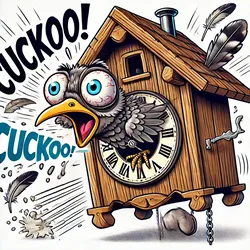 A1-A2Como espertaba a xente a tempo antes da invención do despertador?How Did People Wake Up on Time Before the Invention of the Alarm Clock?
 A1-A2Como os animais enganan polo amor: Amor, engano e evoluciónHow Animals Deceive for Love: Love, Deception, and Evolution
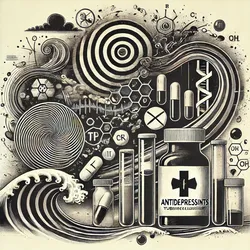 A1-A2Como se inventaron por accidente os antidepresivos?How Antidepressants Were Accidentally Invented?
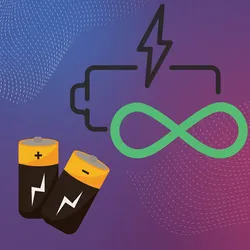 A1-A2É posible crear unha batería perpetua?Is it possible to create a perpetual battery?
 A1-A2Como a verdade nos fai sufrirHow Truth Makes Us Suffer
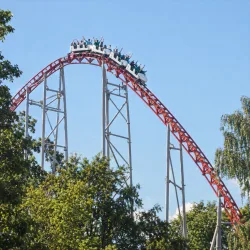 A1-A2Por que o medo provoca pracer?Why Does Fear Bring Pleasure?
 A1-A2Por que apertamos as mans?Why Do We Shake Hands?
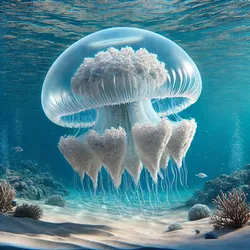 A1-A2Por que algúns seres vivos posúen inmortalidade?Why do some living creatures possess immortality?
 A1-A2Por que nos fai máis intelixentes a cafeína?Why Does Caffeine Make Us Smarter?
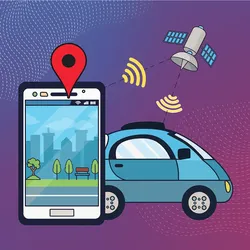 A1-A2Un día sen GPS: ¿Que sucede se os satélites quedan en silencio?One Day Without GPS: What Happens If Satellites Go Silent?
 A1-A2¿Estás seguro de que es humano?Are You Sure You Are a Human?
 A1-A2Neuroquímica do Son: Como Afecta a Música o Noso Estado de Ánimo?Neurochemistry of Sound: How Music Affects Mood?
 A1-A2Como se orixinaron os cómics?How Did Comics Originate?
 A1-A2Que animais son capaces de autoconsciencia?What animals are capable of self-awareness?
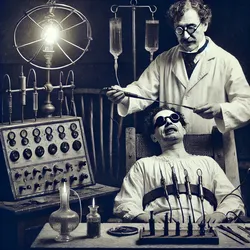 A1-A2Electrochoque, heroína e lobotomía: como se trataban as enfermidades hai 100 anos?Electroshock, Heroin, and Lobotomy: How Were Illnesses Treated 100 Years Ago?
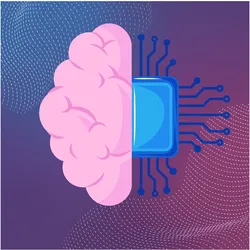 A1-A2¿Pensan realmente as redes neuronais?Do Neural Networks Really Think?
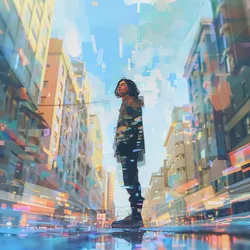 A1-A2¿É real a nosa realidade?Is Our Reality Real?
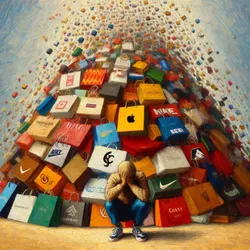 A1-A2¿Escolles realmente o que compras?Do You Really Choose What You Buy?
 A1-A2Por que sopramos as candeas nos pasteis de aniversario?Why Do We Blow Out Candles on Birthday Cakes?
 A1-A2Por que neva no deserto?Why does it snow in the desert?
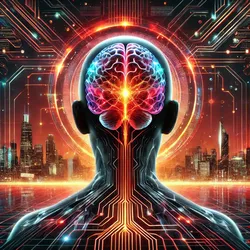 A1-A2Por que quere Elon Musk conectar o cerebro a un ordenador?Why Does Elon Musk Want to Connect the Brain to a Computer?
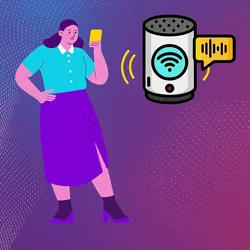 A1-A2Como nos entenden os asistentes de voz?How Do Voice Assistants Understand Us?
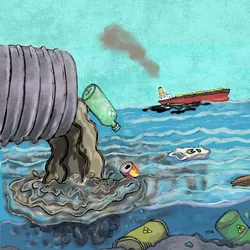 A1-A2Que Imos Deixar Atrás?What Will We Leave Behind?
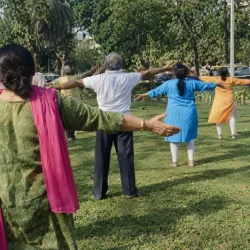 A1-A2Por que o sorriso é o mellor antidepresivo?Why Smile is the Best Antidepressant?
 A1-A2Por que Einstein non levaba calcetíns?Why Didn't Einstein Wear Socks?
 A1-A2Como se converteu Chernóbil nunha reserva natural?How Did Chernobyl Turn into a Nature Reserve?
 A1-A2Por que nos poñemos grises — e pódese cambiar?Why Do We Turn Gray — And Can It Be Changed?
 A1-A2Como funciona o piloto automático nun avión?How Does Autopilot Work in an Airplane?
 A1-A2Que significa ser boa persoa hoxe?What does it mean to be a good person today?
 A1-A2Por que ás veces esquecemos por que entramos nunha habitación?Why Do We Sometimes Forget Why We Entered a Room?
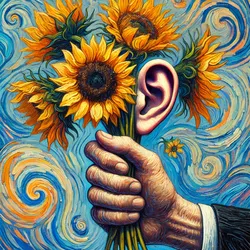 A1-A2Por que lle cortou Van Gogh a orella?Why Did Van Gogh Cut Off His Ear?
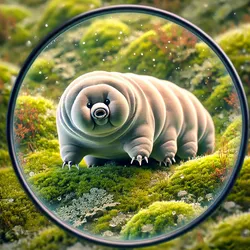 A1-A2Tardígrados: Pequenos Conquistadores do UniversoTardigrades: Tiny Conquerors of the Universe
 A1-A2É posible controlar a dor co poder da mente?Is it possible to control pain with the power of the mind?
 A1-A2¿Como funcionan os filtros de Instagram?How do Instagram filters work?
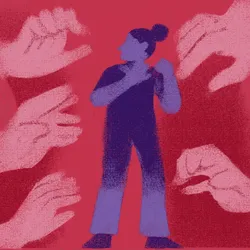 A1-A2De que temos medo — e por que precisamos do medo?What Are We Afraid Of — and Why Do We Need Fear?
 A1-A2Por que é tan difícil romper cos malos hábitos?Why is it so hard to break bad habits?
 A1-A2Por que os homes da antiga China levaban as uñas longas?Why Did Men in Ancient China Wear Long Nails?
 A1-A2Poden as bacterias sintéticas salvar o planeta?Can Synthetic Bacteria Save the Planet?
 A1-A2Podes Morrer de Medo?Can You Die of Fear?
 A1-A2Como aprenden os robots a sorrir e a empatizar?How Do Robots Learn to Smile and Empathize?
 A1-A2Que fai feliz a unha persoa?What makes a person happy?
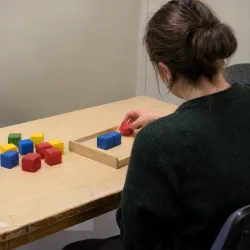 A1-A2Como decide o cerebro que gardar na memoria?How Does the Brain Decide What to Keep in Memory?
 A1-A2Por que se prohibiu o fútbol en Inglaterra?Why Was Football Banned in England?
 A1-A2¿Poden falar as plantas?Can Plants Talk?
 A1-A2Como controlan os nosos reloxos biolóxicos as nosas vidas?How Do Biological Clocks Control Our Lives?
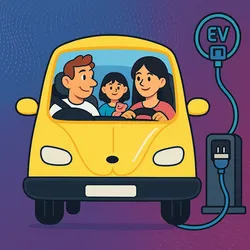 A1-A2Como funciona un coche eléctricoHow Does an Electric Car Work
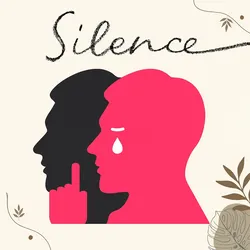 A1-A2Por que dá medo o silencioWhy is Silence Scary
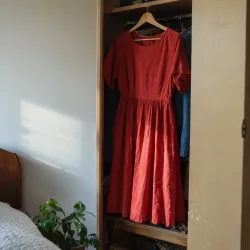 A1-A2Como afectan as cores ao teu estado de ánimo?How Do Colors Affect Your Mood?
 A1-A2Como os pantalóns vaqueiros se converteron en símbolo de liberdade?How Jeans Became a Symbol of Freedom?
 A1-A2¿Pode Greta Thunberg realmente salvar o planeta?Can Greta Thunberg Really Save the Planet?
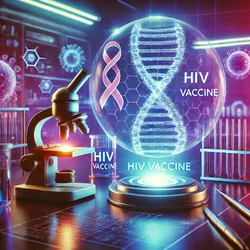 A1-A2Vacina contra o VIH: A que distancia estamos?HIV Vaccine: How Close Are We?
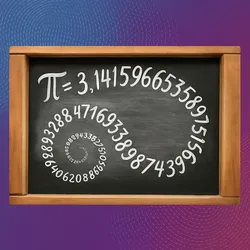 A1-A2Por que o número π nunca remata?Why Does the Number π Never End?
 A1-A2Como cambiarías o teu "Día da marmota"?How Would You Change Your "Groundhog Day"?
 A1-A2Por que perdemos a cabeza nunha multitude?Why Do We Lose Our Heads in a Crowd?
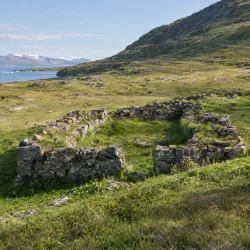 A1-A2Onde foron os vikings de Groenlandia?Where Did the Vikings of Greenland Go?
 A1-A2Por que ronronean os gatos?Why Do Cats Purr?
 A1-A2Como decide o cerebro o que sentimos?How Does the Brain Decide What We Feel?
 A1-A2Por que segue a ser o cerebro humano máis potente ca as redes neuronais?Why Is the Human Brain Still More Powerful Than Neural Networks?
 A1-A2Por que "Non me gusta a xente"?Why "I Don't Like People"?
 A1-A2Cal é a forza dos introvertidos?What is the Strength of Introverts?
 A1-A2Como inventaron a democracia os piratas?How Pirates Invented Democracy?
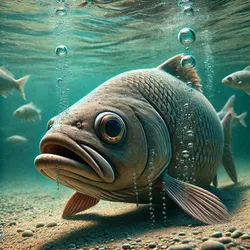 A1-A2Poden os peixes "afogarse" baixo a augaCan Fish "Drown" Underwater
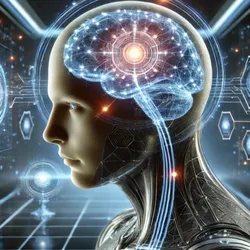 A1-A2É posible controlar un ordenador co poder do pensamento?Is it possible to control a computer with the power of thought?
 A1-A2Por que aínda non se construíu o Hyperloop?Why Hasn’t Hyperloop Been Built Yet?
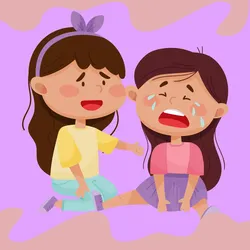 A1-A2¿Podemos realmente comprender a outra persoa?Can We Truly Understand Another Person?
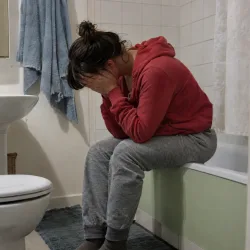 A1-A2Por que sentimos vergoña incluso cando ninguén nos observa?Why Do We Feel Shame Even When No One is Watching?
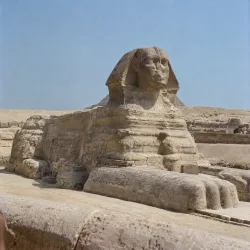 A1-A2Por que lle falta o nariz á Esfinxe?Why Does the Statue of the Sphinx Have No Nose?
 A1-A2Como nos entenden os cans sen palabrasHow Do Dogs Understand Us Without Words
 A1-A2Persoas sen medo: un don ou unha maldición?People Without Fear: A Gift or a Curse?
 A1-A2Como imprimir un avión nunha impresora 3D?How to Print an Airplane on a 3D Printer?
 A1-A2É Posible Ser unha Persoa Profunda na Era dos Memes e o Glamour?Is it Possible to Be a Profound Person in the Era of Memes and Gloss?
 A1-A2A onde vai a consciencia cando "desconectas" da realidade?Where Does Consciousness Go When You "Zone Out" of Reality?
 A1-A2¿Onde se agochan os tesouros templarios?Where Are the Templar Treasures Hidden?
 A1-A2Por que é a seda de araña máis forte ca o aceiroWhy is spider silk stronger than steel
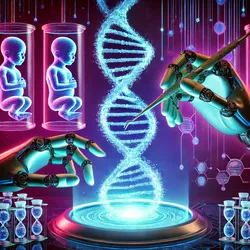 A1-A2Enxeñaría xenética: ¿o camiño á inmortalidade ou ao caos?Genetic Engineering: The Path to Immortality or Chaos?
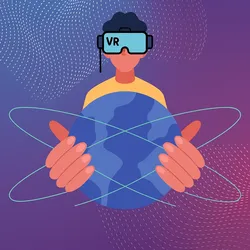 A1-A2Como a RA e a RV se están convertendo na nova realidadeHow AR and VR Are Becoming the New Reality
 A1-A2¿Podes saborear o tempo?Can You Taste Time?
 A1-A2¿Podes volverte máis intelixente xogando a videoxogos?Can You Become Smarter by Playing Video Games?
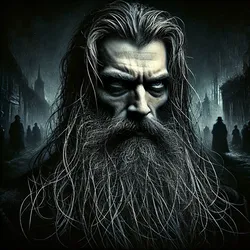 A1-A2Foi realmente imposible matar a Rasputin?Was Rasputin Really Impossible to Kill?
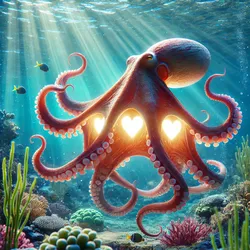 A1-A2Por que ten un polbo tres corazóns?Why Does an Octopus Have Three Hearts
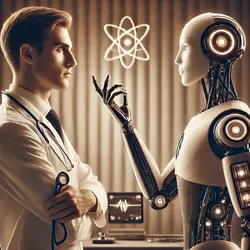 A1-A2Cando cederán os médicos o paso aos robots?When Will Doctors Give Way to Robots?
 A1-A2Que pasaría se mañá desaparecese internet?What if the internet disappears tomorrow?
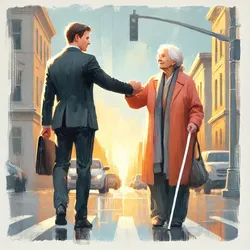 A1-A2Por que é beneficioso ser bo?Why Being Good Is Beneficial?
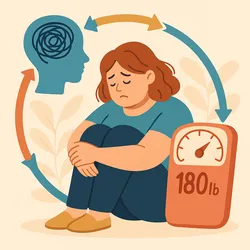 A1-A2Sobrepeso e psique: un círculo vicioso ou un camiño á consciencia?Excess Weight and the Psyche: A Vicious Circle or a Path to Awareness?
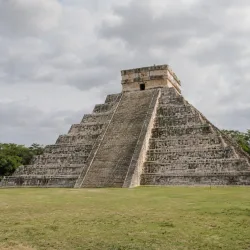 A1-A2Como Pereceu a Civilización Maia?How Did the Ancient Maya Civilization Perish?
 A1-A2Que Pasaría Se a Lúa Desaparecese?What Would Happen If the Moon Disappeared?
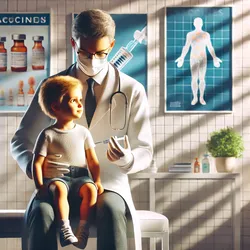 A1-A2Por que a vacinación é máis importante do que pareceWhy Vaccination Is More Important Than It Seems
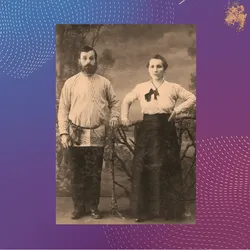 A1-A2Por que ninguén sorrí nas fotografías antigas?Why Does No One Smile in Old Photographs?
 A1-A2Por que nos gusta sufrir?Why Do We Love to Suffer?
 A1-A2¿Podes morrer de aburrimento?Can You Die of Boredom?
 A1-A2Que é o Nirvana e Como Alcanzalo?What is Nirvana and How to Attain It?
 A1-A2Como o plástico chegou á nosa dieta?How Plastic Became Part of Our Diet?
 A1-A2¿Podes morrer de risa?Can You Die from Laughter?
 A1-A2Cando se converte o código en arte?When Does Code Become Art?
 A1-A2Pode xustificarse a mentiraCan Lying Be Justified
 A1-A2Como controlan os cheiros as nosas lembranzas?How Do Smells Control Our Memories?
 A1-A2Podería ser Stonehenge un portal cara á vida eterna?Could Stonehenge Be a Portal to the Afterlife?
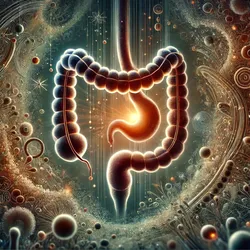 A1-A2Por que temos apéndice se é inútil?Why do we have an appendix if it's useless?
 A1-A2Que son os buratos negros e por que asustan aos científicos?What are black holes and why do they scare scientists?
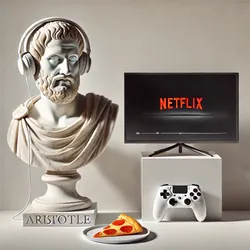 A1-A2Que é unha "boa vida"What is a "good life"
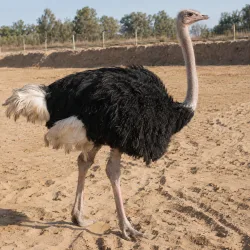 A1-A2Efecto avestruz: ¿defensa ou trampa?Ostrich Effect: Defense or Trap?
 A1-A2Por que desapareceu Atlántida nunha noite?Why Did Atlantis Disappear in One Night?
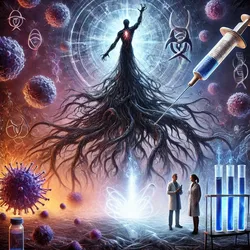 A1-A2Por que aínda non se derrotou o cancroWhy Cancer Has Not Been Defeated Yet
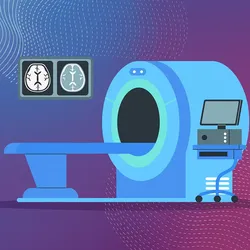 A1-A2Como converte a RM imáns e auga nun diagnóstico?How Does MRI Turn Magnets and Water into a Diagnosis?
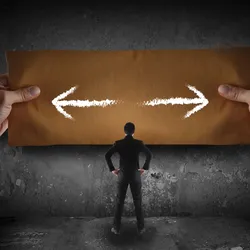 A1-A2Por que é tan popular o "dilema do tranvía"Why is the "trolley dilemma" so popular
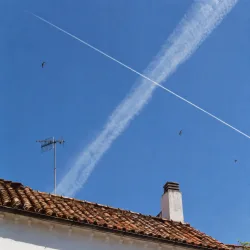 A1-A2Por que cremos nas teorías da conspiración?Why Do We Believe in Conspiracy Theories?
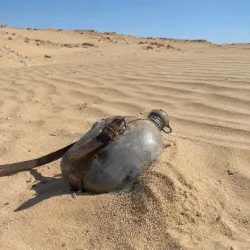 A1-A2Que lle pasou realmente ao exército de Napoleón en Exipto?What Really Happened to Napoleon's Army in Egypt?
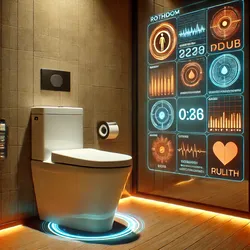 A1-A2Como funciona un váter «intelixente» para analizar a saúde: O futuro dos diagnósticos no fogarHow a “Smart” Toilet Analyzes Health: The Future of Home Diagnostics
 A1-A2Robots brandos e redes neuronais líquidas: como están aprendendo as máquinas a estar vivas?Soft Robots and Liquid Neural Networks: How Are Machines Learning to Be Alive?
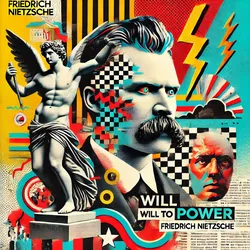 A1-A2Como un home desafiou a moral e a DeusHow One Man Challenged Morality and God
 A1-A2Por que a gratitude nos fai máis felices?Why Does Gratitude Make Us Happier?
 A1-A2¿Podería a maldición de Tamerlán cambiar o curso da historia?Could Tamerlane’s Curse Have Changed the Course of History?
 A1-A2Como controlan as bacterias as nosas emocións?How Do Bacteria Control Our Emotions?
 A1-A2Por que QWERTY?Why QWERTY?
 A1-A2Quen Decide Que é a VerdadeWho Decides What Truth Is
 A1-A2Como Saboteamos a Nosa Propia Felicidade?How Do We Sabotage Our Own Happiness?
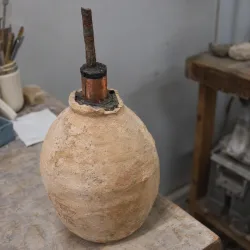 A1-A2A misteriosa batería de BagdadThe Mysterious Battery from Baghdad
 A1-A2A vacina contra o cancro: ¿o futuro ou xa o presente?Cancer Vaccine: The Future or Already the Present?
 A1-A2Podes Tocar un HologramaCan You Touch a Hologram
 A1-A2Que teñen en común os estoicos e os samuraisWhat Do Stoics and Samurai Have in Common
 A1-A2Por que tememos falar en público?Why Do We Fear Public Speaking?
 A1-A2Como conseguiu un monxe budista enganar ao tempo?How Did a Buddhist Monk Outsmart Time?
 A1-A2Como crea o noso cerebro a consciencia?How Does Our Brain Create Consciousness?
 A1-A2Como funcionan as "cidades intelixentes"How do "smart cities" work
 A1-A2Por que ás veces se nos queda unha melodía na cabeza?Why Do Melodies Sometimes Get Stuck in Our Heads?
 A1-A2Onde están agochados os tesouros do Terceiro Reich?Where are the Treasures of the Third Reich Hidden?
 A1-A2Como vive a xente sen pegadas dixitais? A mutación que borra os debuxos da pelHow Do People Live Without Fingerprints? The Mutation That Erases the Patterns on the Skin
 A1-A2É Posible Crear unha Linguaxe Comprensible para Todo o UniversoIs it Possible to Create a Language Understandable to the Entire Universe
 A1-A2Por que a xente ri cando está nerviosa ou en loito?Why Do People Laugh When Nervous or Grieving?
 A1-A2Quen foi Jack o Destripador?Who was Jack the Ripper?
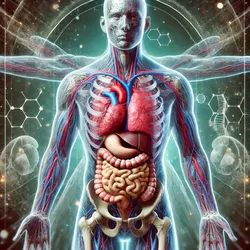 A1-A2A vida ao revés: Como viven as persoas con órganos "invertidos"?Life in Reverse: How Do People with "Flipped" Organs Live?
 A1-A2É Posible Atravesar unha ParedeIs it Possible to Walk Through a Wall
 A1-A2Por que temos pesadelos?Why Do We Have Nightmares?
 A1-A2¿Pódese fotografar un pantasma?Can you photograph a ghost?
 A1-A2É Posible Transferir a Consciencia a un Computador?Is It Possible to Transfer Consciousness into a Computer?
 A1-A2Que é o enleamento cuántico?What is Quantum Entanglement?
 A1-A2Falar só: ¿Camiño á xenialidade ou primeiro paso cara á tolemia?Talking to Yourself: Path to Genius or First Step to Madness?
 A1-A2A Zona do Silencio en México: desaparecen de verdade alí as ondas de radio?The Zone of Silence in Mexico: Do Radio Waves Really Vanish There?
 A1-A2Como cambiou o veleno das serpes a medicina?How Snake Venom Has Changed Medicine?
 A1-A2Como Perdeu Nokia o Mercado dos SmartphonesHow Did Nokia Lose the Smartphone Market
 A1-A2Como Controla a Linguaxe Corporal a Nosa Percepción?How Does Body Language Control Our Perception?
 A1-A2Que Segredos Agochan os Gardiáns de Pedra da Illa de Pascua?What Secrets Do the Stone Guardians of Easter Island Hold?
 A1-A2Como decide o cerebro o que sabe benHow does the brain decide what tastes good
 A1-A2Que son as tormentas solares e por que poderían devolvernos ao século XIX?What are Solar Storms and Why Could They Send Us Back to the 19th Century?
 A1-A2Como perciben o mundo as persoas sen imaxinación?How Do People Without Imagination Perceive the World?
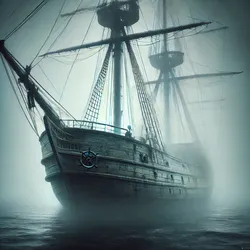 A1-A2Por que se converteu o "Mary Celeste" nun barco pantasma?Why did the "Mary Celeste" become a ghost ship?
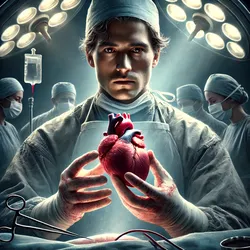 A1-A2Cirurxía cardíaca: ¿Cando é o risco sinónimo de milagre?Heart Surgery: When Does Risk Equal a Miracle?
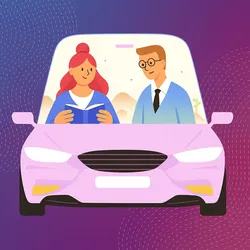 A1-A2Como Aprenden os Coches a Conducir SósHow Do Cars Learn to Drive Themselves
 A1-A2Por que as expectativas dos demais nos controlan?Why Do Others' Expectations Control Us?
 A1-A2¿Existiu realmente o rei Artur?Did King Arthur Really Exist?
 A1-A2Como se converteu un virus nunha arma contra o cancro?How Did a Virus Become a Weapon Against Cancer?
 A1-A2Que é a criptomoedaWhat is cryptocurrency
 A1-A2Cando se converte a ansiedade nunha trampa?When Does Anxiety Become a Trap?
 A1-A2O misterio do paso de Dyatlov - Que lle sucedeu ao grupo de turistas nos montes Urais?The Mystery of the Dyatlov Pass - What Happened to the Group of Tourists in the Ural Mountains?
 A1-A2Medicamentos, máis rápido: como axudan as redes neuronais a atopar novos fármacos?Medicines, Faster: How Do Neural Networks Help Find New Drugs?
 A1-A2Por que o Segway non se converteu no transporte do futuroWhy Didn't Segway Become the Transport of the Future
 A1-A2Por que deixamos as cousas para «despois»?Why Do We Put Things Off Until “Later”?
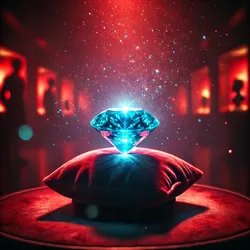 A1-A2A Maldición do Diamante Hope - Como o Diamante Azul Condenou os seus Donos?The Curse of the Hope Diamond - How the Blue Diamond Doomed Its Owners?
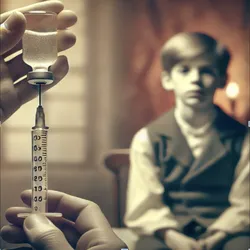 A1-A2Insulina: o descubrimento que salvou millóns de vidasInsulin: The Discovery That Saved Millions of Lives
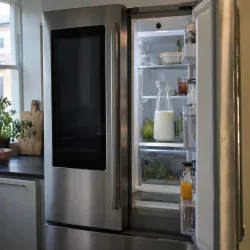 A1-A2Cando se volverán intelixentes os frigoríficosWhen Will Refrigerators Get Smart
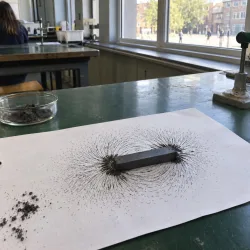 A1-A2Podes aprender a ser carismáticoCan You Learn to Be Charismatic
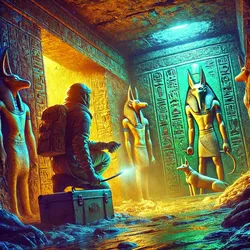 A1-A2¿Existiu realmente a maldición dos faraóns?Did the Pharaohs' Curse Really Exist?
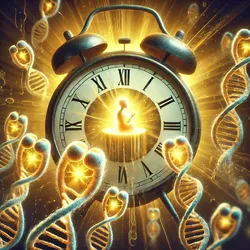 A1-A2Que son os telómeros e como controlan a nosa xuventude?What are telomeres and how do they control our youth?
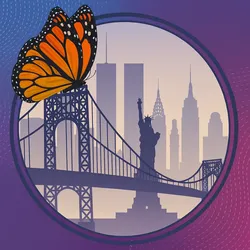 A1-A2Que é o Efecto Bolboreta e Como Cambia a Nosa Visión da Causalidade e da Orde?What is the Butterfly Effect and How Does It Change Our View on Causality and Order?
 A1-A2Por que nos gusta mirar as vidas alleas?Why Do We Love Watching Other People's Lives?
 A1-A2Quen foi Mata Hari realmente?Who Was Mata Hari Really?
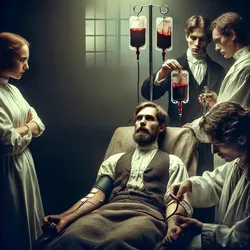 A1-A2Por que mataban as transfusións de sangue?Why Did Blood Transfusions Kill People?
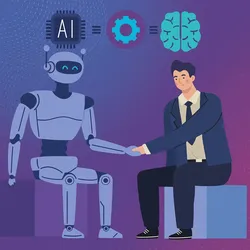 A1-A2¿Poden os robots converterse nos nosos amigos?Can robots become our friends?
 A1-A2Por que hai tantos "narcisistas" ao noso redor?Why Are There So Many "Narcissists" Around?
 A1-A2Como cobran vida as pedras no deserto máis cálido do mundo?How Do Stones Come Alive in the World's Hottest Desert?
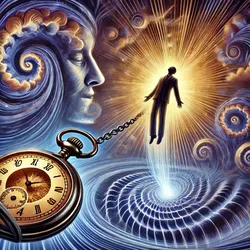 A1-A2Como funciona a hipnose? Os segredos da conciencia alteradaHow Does Hypnosis Work? The Secrets of Altered Consciousness
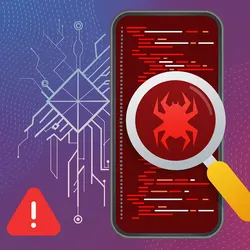 A1-A2As ciberguerras máis misteriosas da historia da humanidadeThe Most Mysterious Cyberwars in Human History
 A1-A2A síndrome do «salvador»: cando axudar se volve contra unThe “Rescuer Syndrome”: When Helping Backfires
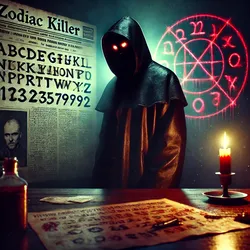 A1-A2Os criptogramas do Asasino do Zodíaco — Por que seguen sen resolver os seus códigos?Zodiac Killer Cryptograms — Why Are His Ciphers Still Unsolved?
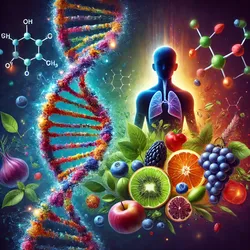 A1-A2Código da Xuventude: Que comer para evitar o envellecemento?Code of Youth: What to Eat to Avoid Aging?
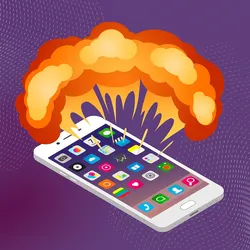 A1-A2Por que estalou o Samsung Galaxy Note 7Why did the Samsung Galaxy Note 7 explode
 A1-A2Que é a intelixencia emocional?What is Emotional Intelligence?
 A1-A2Onde desapareceu a gran piloto Amelia Earhart?Where Did the Great Pilot Amelia Earhart Vanish?
 A1-A2O que fai da cirurxía algo sobrehumanoWhat makes surgery superhuman
 A1-A2Por que é un láser máis preciso ca un bisturí e máis rápido ca internet?Why is a laser more precise than a scalpel and faster than the internet?
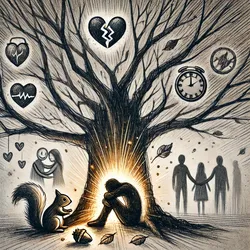 A1-A2Pode a soidade arruinar a nosa saúde?Can Loneliness Ruin Our Health?
 A1-A2¿Existiu realmente a Illa do Tesouro?Did Treasure Island Exist in Reality?
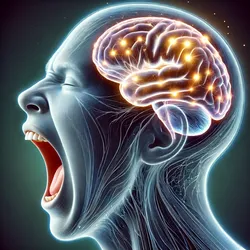 A1-A2Por que bocexamos e por que é tan contaxioso?Why Do We Yawn and Why Is It So Contagious?
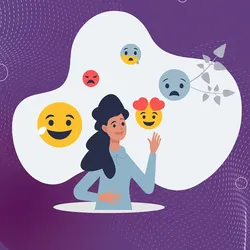 A1-A2É Posible Transmitir Emocións a través de Internet?Is It Possible to Transmit Emotions Over the Internet?
 A1-A2Por que finximos estar ocupados?Why Do We Pretend to Be Busy?
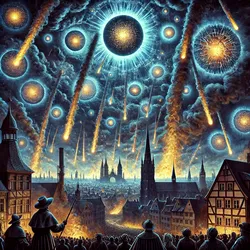 A1-A2Choiva de lume en Núremberg (1561) - ¿Batalla OVNI ou fenómeno natural?Fire Rain in Nuremberg (1561) - UFO Battle or Natural Phenomenon?
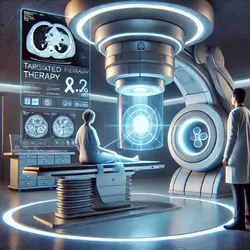 A1-A2Como aprendeu a radiación a salvar vidas?How Did Radiation Learn to Save Lives?
 A1-A2Por que precisan erros os algoritmos?Why Do Algorithms Need Errors?
 A1-A2Por que as ideas brillantes chegan de noite?Why Do Brilliant Ideas Come at Night?
 A1-A2Que segredo se agocha no Triángulo das Bermudas?What secret is hidden in the Bermuda Triangle?
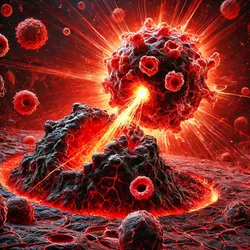 A1-A2Como funciona a inmunidadeHow does immunity work
 A1-A2¿Como funcionan os algoritmos secretos de YouTube?How Do YouTube’s Secret Algorithms Work?
 A1-A2A psicoloxía da mentira: Como funciona e como detectala?The Psychology of Lying: How It Works and How to Detect It?
 A1-A2Como os antigos exipcios "inventaron" o BotoxHow the Ancient Egyptians "Invented" Botox
 A1-A2O sono e as emocións: Como procesa o cerebro as experiencias?Sleep and Emotions: How Does the Brain Process Experiences?
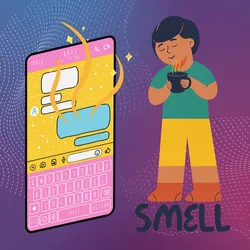 A1-A2Podes enviar cheiros a través do Wi-Fi?Can You Send Smell Over Wi-Fi?
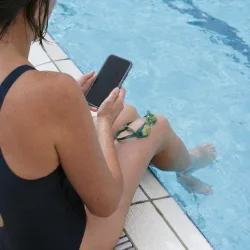 A1-A2FOMO: Por que tememos perdernos algo?FOMO: Why Are We Afraid of Missing Out?
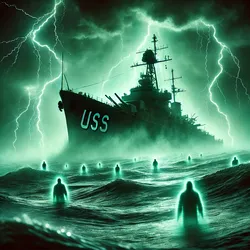 A1-A2A onde foi o destrutor da Mariña dos Estados UnidosWhere Did the US Navy Destroyer Go
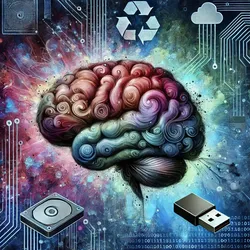 A1-A2¿Existe un límite para a memoria humana?Is There a Limit to Human Memory?
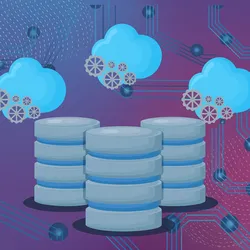 A1-A2Que é a "nube" e onde viven fisicamente os teus ficheiros?What is the “cloud” and where do your files physically live?
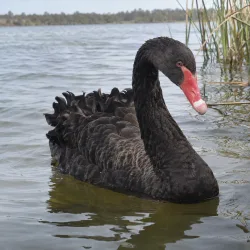 A1-A2Que é o efecto do 'Cisne Negro'?What is the “Black Swan” Effect?
 A1-A2O Sanguento Misterio da "Dalia Negra" - Un Crime que Conmocionou Hollywood.The Bloody Mystery of the "Black Dahlia" - A Crime That Shocked Hollywood.
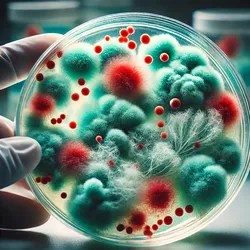 A1-A2Como o azar deu á humanidade a penicilinaHow Chance Gave Humanity Penicillin
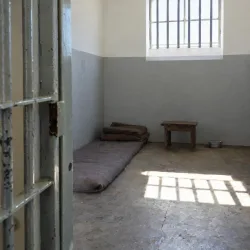 A1-A2Por que miles de persoas cometen os mesmos errosWhy Do Thousands of People Make the Same Mistakes
 A1-A2Compartiron realmente Lincoln e Kennedy o mesmo destino?Did Lincoln and Kennedy Really Share the Same Fate?
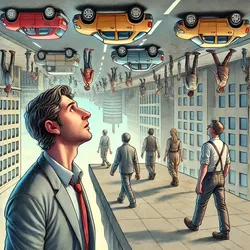 A1-A2Como decide o cerebro o que está arriba e o que está abaixo?How Does the Brain Decide What's Up and What's Down?
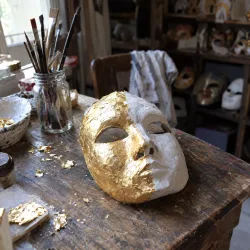 A1-A2Que é a "Síndrome do Impostor"?What is "Impostor Syndrome"?
 A1-A2Como unha festa do té fracasada en Boston levou a unha revoluciónHow a Failed Tea Party in Boston Led to a Revolution
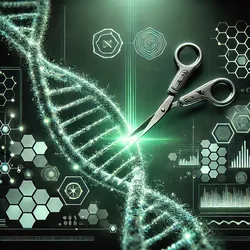 A1-A2Como está a cambiar o CRISPR o ADN e o futuro da humanidade?How CRISPR is Changing DNA and the Future of Humanity?
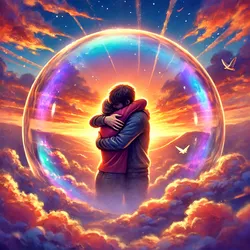 A1-A2Por que os abrazos son a mellor medicina para o estrésWhy Hugs Are the Best Medicine for Stress
 A1-A2Como un home salvou o mundo dunha guerra nuclearHow One Man Saved the World from Nuclear War
 A1-A2Como o estrés altera o ADN e acelera o envellecementoHow Stress Changes DNA and Accelerates Aging
 A1-A2Como Controla a Nicotina o Teu Cerebro?How Does Nicotine Control Your Brain?
 A1-A2Como cambiaron accidentalmente os doces o destino de todo un país?How Did Pastries Accidentally Change the Fate of an Entire Country?
 A1-A2Cando deixarán de funcionar os antibióticosWhen Will Antibiotics Stop Working
 A1-A2Por que cedemos ás manipulacións, aínda sabendo delas?Why Do We Succumb to Manipulations, Even When We Know About Them?
 A1-A2Quen se agocha baixo a máscara de Banksy?Who’s Hiding Behind Banksy’s Mask?
 A1-A2Como cambia a meditación o noso corpo e mente?How does meditation change our body and mind?
 A1-A2Por que os deportes nos fan máis felices?Why Do Sports Make Us Happier?
 A1-A2Por que se tolou de súpeto unha vila enteiraWhy Did an Entire Town Suddenly Go Mad
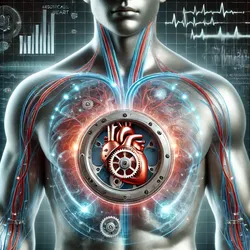 A1-A2É Posible Vivir Sen Corazón?Is it Possible to Live Without a Heart?
 A1-A2Como Cooper secuestrou un avión e desapareceu sen deixar rastroHow Cooper Hijacked a Plane and Vanished Without a Trace
 A1-A2Poden crecer dentes noutras partes do noso corpo?Can Teeth Grow in Other Parts of Our Body?
 A1-A2Por que Theranos non se converteu no próximo AppleWhy Didn't Theranos Become the Next Apple
 A1-A2Nanorobots contra as enfermidades: ¿Como funcionan?Nanorobots Against Diseases: How Does It Work?
 A1-A2Por que temían os americanos os tomates?Why Were Americans Afraid of Tomatoes?
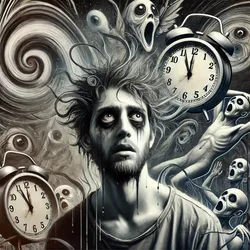 A1-A2Podes Sobrevivir Sen DurmirCan You Survive Without Sleep
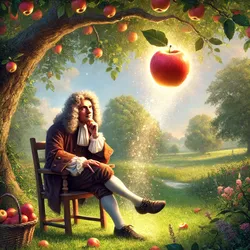 A1-A2Como se relacionan Newton e as mazás que caen?How are Newton and Falling Apples Related?
 A1-A2Como soa o silencio absoluto?What Does Absolute Silence Sound Like?
 A1-A2¿En que gastou os seus miles de millóns o narcotraficante Pablo Escobar?What Did Drug Lord Pablo Escobar Spend His Billions On?
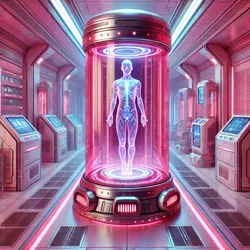 A1-A2Criónica: ¿Billete á inmortalidade ou camiño sen saída?Cryonics: Ticket to Immortality or Road to Nowhere?
 A1-A2Como os horóscopos falsos minaron o espírito naziHow Fake Horoscopes Undermined the Nazi Spirit
 A1-A2Por que o frío nos fai máis saudables?Why Does Cold Make Us Healthier?
 A1-A2Como se cifraban as mensaxes na Idade Media?How Were Messages Encrypted in the Middle Ages?
 A1-A2Pódese transplantar o cerebro dun ser humano?Can a Human's Brain Be Transplanted?
 A1-A2De verdade se executaba a xente facéndolle cóxegas?Were People Really Executed by Tickling?
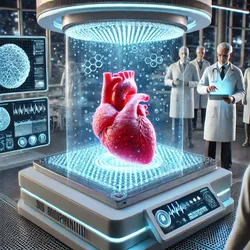 A1-A2É Posible Imprimir Órganos nunha Impresora 3D?Is it Possible to Print Organs on a 3D Printer?
 A1-A2Que segredos de enxeñaría nos ocultou a historia?What engineering secrets did history hide from us?
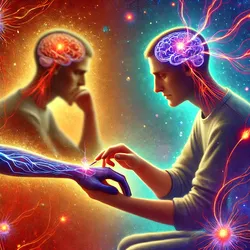 A1-A2É Posible Sentir Fisicamente a Dor doutra PersoaIs It Possible to Physically Feel Someone Else's Pain
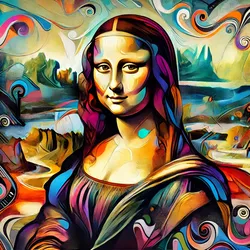 A1-A2Que lle pasa á “Mona Lisa”?What's Wrong with the “Mona Lisa”?
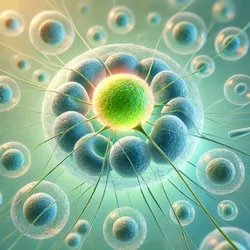 A1-A2Poden as células nai deter o envellecemento?Can Stem Cells Stop Aging?
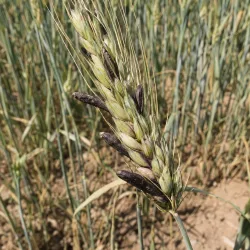 A1-A2A peste danzante de 1518: cando a loucura se fai contaxiosaThe Dancing Plague of 1518: When Madness Becomes Contagious
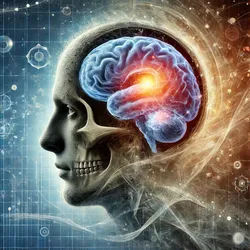 A1-A2É Posible Vivir Sen a Metade do Cerebro?Is It Possible to Live Without Half of the Brain?
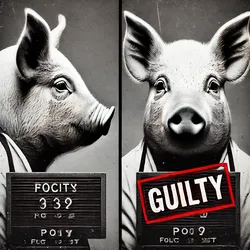 A1-A2¿Por que se xulgaban animais na Idade Media?Why Were Animals Tried in the Middle Ages?
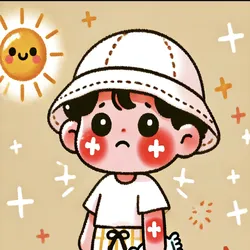 A1-A2Por que se producen as alergias ao sol?Why Do Sun Allergies Occur?
 A1-A2Por que envellecemos e é inevitable?Why Do We Age and Is It Inevitable?


Read Galician stories and books with translation
It's more convenient there: every story and book is in one place, and the app remembers where you stopped in each one.
- Parallel translation A translation under every sentence, and any word explained with one tap.
- Native audio with shadowing Each word is highlighted as the story is read aloud. Hold a sentence's play button to hear it several times and say it along with the voice.
- 12 different exercises to learn new words Words you save while reading come back in flashcards, listening, spelling and gap-fill exercises until you know them.
What Lingo7 users are saying
Recent reviews from the App Store and Google Play, quoted the way they were written.
- Pasha Ahsap
A very useful app for learning a language: you can translate every unfamiliar word with a tap right away and save it.
- Esteban Velarde
amazing app very useful Me encantó 🙌🏻☺️
- Айгуль Оспанова
great app
-
Great app and really helpful! ⭐️
I really enjoyed using the app! It’s very helpful, easy to use, and I really liked the way everything is organized. I definitely enjoyed my experience and would recommend it to others. 😊
- A Rimmer
I can’t recommend this app enough! I use it to refine my Spanish vocabulary and learn Bulgarian, and I love that you can keep multiple languages and their word lists separate. You can read your own books with instant translation, save new words and use spaced repetition to remember them. The pictures really help words stick, and there are no distracting animations or gimmicky rewards. Easily the best language app I’ve used!
- Наталка С.
The best. You can learn words. You can listen to speech with lively intonation. The texts are very interesting. Adapted and original: first I read the adaptation, then switch to the original. You can upload your own book, translate it, and listen and read at the same time.
- Caspian Sutherland
Best app I've ever used
- Viktor
The app is good, no doubt about it. I recommend it. I did not even expect this. Lots of literature for every taste. Read the simplified version or the original. You build your own dictionary. You take quizzes, very original ones. You can have a conversation on different topics. Super! And not expensive.
- Mayur Luhadia
I have already had a yearly subscription for LINGO 7. This app is an excellent resource for anyone looking to improve their English skills. The Hindi translations and detailed explanations provided for each story are incredibly helpful and effective for learners like me.
-
Amazing app! For reading lovers this is an incredible world of different languages. I recommend it! Delighted!
The app works great! Special thanks for the speed selection! I really liked that you can switch languages. Listen to a book in Russian and read the English translation right there, or listen in English and read the Russian translation.
- Dmitry Gavrilov
The idea of the app is great, it's very useful, and I especially love the Library and saving words to the dictionary in a basic form. I would say a big thanks to the developer, who made some fixes and implementations by the mine propositions!
- Дмитрий Федешов
I studied French at university and dropped it after graduating. A couple of years later I tried watching a film without subtitles and realised my level had slipped. I started reading in the app bit by bit, simple stories at first. Now I read novels and understand about 80 percent without hints. The audio helped a lot too, my listening got better.
- Antonino Venticinque
It is the best.
- Полина Козлова
My English was B1 and it felt like I was stuck. Courses were boring, series with subtitles did not help. I started reading books in the app, and in six months my vocabulary roughly tripled. Now I read articles and documentation without translation. The main thing is that you learn not abstract words but the ones that actually come up in texts.
-
👍🏻
Norwegian is hard to find anywhere. Here there are both texts and audio. I listen to the narration on my way to work and read in the evening. It is handy that you can save words and review them later, they do not get lost.
-
Very convenient for learning
I read in Spanish before bed. The translation is right there, the audio is good. I can feel the progress.
- shanabbasi
I've tried several language learning apps, and Lingo7 stands out because of its combination of reading, audio, and flashcards. The parallel reading feature is especially helpful for understanding new words in context. The app is easy to navigate and makes daily practice feel productive rather than boring. A great tool for improving language skills step by step.
- Nour Abo elmagd
Georgian! I did not expect to find it. There are texts, the translation works, so does the audio. Thank you.
-
Good parallel reading app
A very convenient app for parallel reading. I started reading books and articles in the original without constantly translating every word. New words stick much more easily, and in a short time I began to understand spoken English noticeably better. The interface is simple and really motivates you to read every day.
- Кирилл Шапорев
I started learning Turkish recently. The texts are interesting, the translation is clear. I like that the audio plays in sync, so you hear right away how to pronounce things.
- Tatyana Naumova
The app helped me a lot with learning Serbian
- Савелий Кулаков
Great app! I have tried others, but the approach here is more interesting. I have been using it for a little over a week and it really helps. The main thing is to make an effort yourself. There were some unstable moments, but everything was fixed quickly. A huge plus is the very responsive developer.
- konstantin
Convenient for German. You read, save words, review them. Everything is simple, nothing extra.
- Randy S
Just what I was looking for. Easy books to read to supplement vocabulary learned.
- Kristina Emad
Great app, convenient interface and pleasant design. Everything works fast and without problems.
- Artem Stavilov
My child reads English fairy tales with the translation and asks for more. Better than any textbook.
- Ирина Новицкая
A great app for learning foreign languages.
- Zeynep Ornek
I use the audio reading feature in Lingo7, and it has been a real breakthrough for me. The audio tracks are clear and well synchronised, which makes it easy to follow the text and improve pronunciation. The choice of texts is varied and engaging, covering different topics and genres. I like being able to adjust the speed and repeat fragments, which really helps me focus on difficult words.
- Макс Рахвалов
I have always wanted to learn German, and in this app everything is much more accessible and clearer than in similar ones. I have started with the flashcards for now, and I will move on to reading and audio once I have learned enough words. Overall the app is a 10 out of 10.
-
😉
I am learning Spanish for a move abroad. The audio is very high quality and sounds natural. The parallel text is convenient.
- Katreena Katreena
Installed it out of curiosity, and now I have been using it every day for 3 months. I am learning French. What won me over: real books, not made-up dialogues. Saving words plus review, and the vocabulary grows before your eyes.
-
I like it!
I moved to Czechia a year ago and needed to learn Czech quickly for work. Not many apps have it, I was surprised. I read texts with the translation, and the flashcards helped me memorise words. Now I talk at work and read documents. Thanks to the developers.
- Юлия Близнюк
I like that there is no gamification and no silly streaks here. You just read a book and learn. Like an adult. Thank you for the serious approach to language learning.
-
Review
I am 63, and we go to Italy every year. I read a little before bed. The stories are interesting and the translation is right there, so you do not give up. The interface is simple. After 4 months I actually talked to a waiter in Rome. He was surprised!
- Tala Tolstoy
I have been learning Turkish for six months. I tried different apps before, and they were all grammar drills. Here you just read an interesting text with the translation right there. It sticks by itself. The most natural way to learn a language.
- Nadezhda Nadezhda
I am hooked on this app! The library is huge: classics, retellings, stories for different levels. The main difference is that you actually READ instead of just doing exercises. It feels like real studying.
- Rosita Rose
I needed Portuguese to work with a team from Brazil. Reading and audio at the same time is very effective, you train both listening and reading comprehension. The spaced repetition cards helped me build vocabulary quickly. After 6 weeks I could already follow meetings.
-
👍
I have tried every language app out there. What sets this one apart is parallel reading. Polyglots have learned this way for centuries, only here it is all in a convenient app. Tap a word and it gets saved, then you get quizzed at the right intervals. Much more natural than cramming flashcards in Anki.
- Евгения Н
a great service for practising English. you can pick a book by your level, the library is big enough for that. There are audio and text formats. The subscription is very reasonably priced.
- Pixel
I like it! It supports Serbian, five stars for that!
- Denis Nefedov
I have been looking for an app like this for a long time)
- Вася Козлодоев
the idea and the execution get a 5+. There is always something to improve, but right now this is the only app with Serbian books. well done! thank you!
How to read with a translation
- Read the sentence in Galician first and work out the meaning from the words you know. Only then open the translation and compare.
- Press Listen and follow the highlighted words. Listen to the same story twice: once with the translation open, once without it. Then play it a third time and say the sentences along with the voice, a beat behind it (shadowing).
- Pick the level where you understand about 80 percent without the translation. Too easy is fine; too hard turns reading into decoding. Read a little every day.
Questions about these texts
They are written for Lingo7 learners: short stories on history, nature, science, technology, philosophy and everyday life, about five minutes of reading each. Every story comes in two versions, adapted for A1-A2 and the original for B1-B2, and is translated sentence by sentence.
Yes, texts with a parallel translation, sentence by sentence. The translation is not in a second column: it sits right under each sentence in Galician, so your eyes stay on the original and drop to the translation only when needed. A tap on a word shows which word of the translation it matches. In the full story you can hide the translations and open one with a tap on its sentence, and pick the translation language: any of the other 49 Lingo7 languages.
Sentence by sentence and close to the original, so you can match the words, but written as natural sentences, not word for word. Where the two conflict, the meaning wins over the word order.
Yes. In the full story set the translation to "On tap", translate a sentence yourself, then tap it to compare with ours.
No. This page shows the first page of one story; the whole stories are in the Lingo7 app, where they work offline once opened and every word can be tapped for a translation.
This page is free. In Lingo7 you open any story and read its first page for free; a subscription unlocks all the stories, the audio and the word practice.
Press Listen and the story is read aloud in Galician by a native voice, with the current word highlighted. The recording is made from this exact text, so you can pause and reread any sentence.
Yes. Every story has an adapted version for A1-A2, rewritten in simpler language. Start there, and when it reads easily, switch the same story to the original for B1-B2.
Read the adapted example above without the translation. If you understand most of it and miss only a few words, start there. If it feels too easy, switch to the original. The adapted version is for A1-A2, the original for B1-B2, and after the stories come the books.